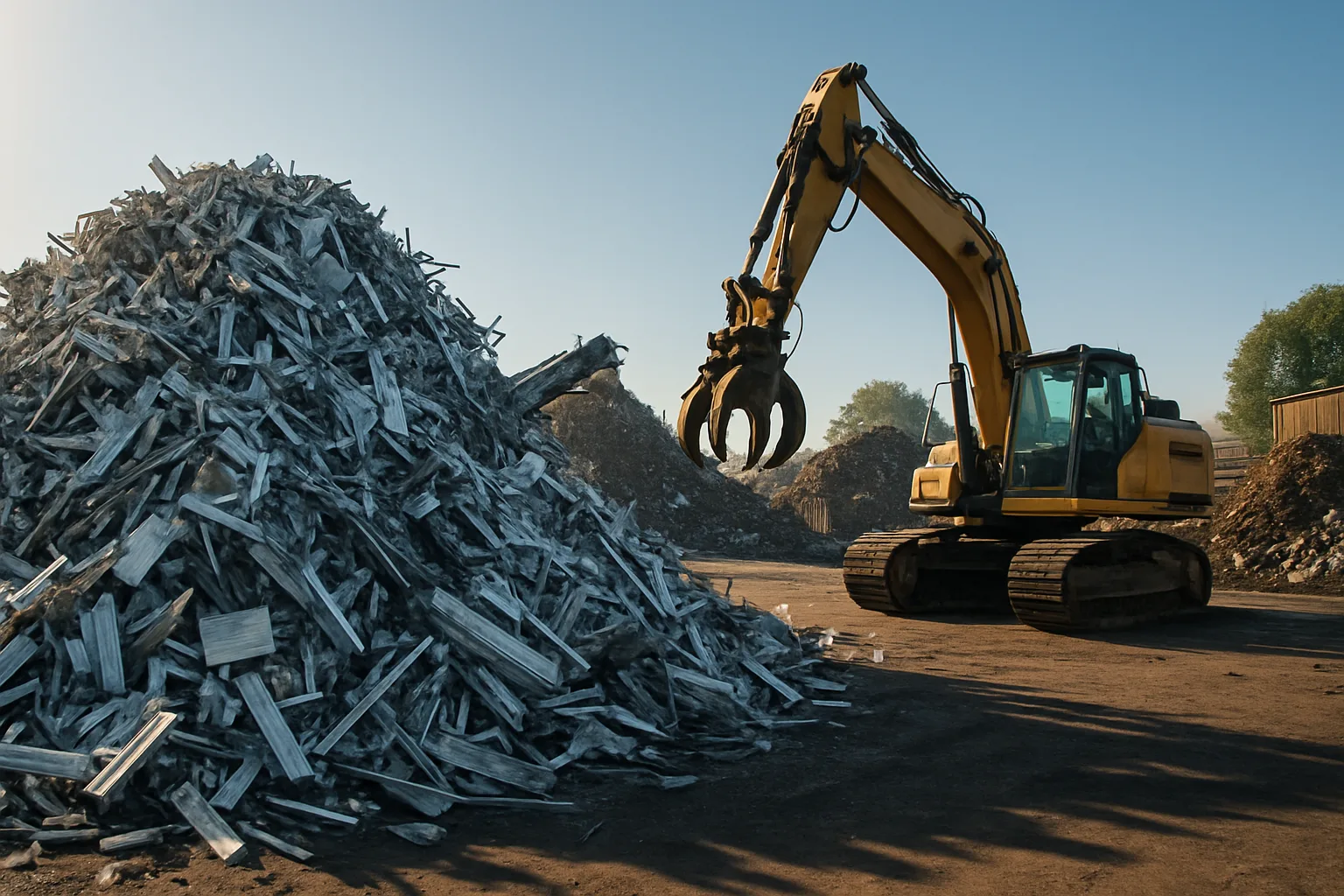
Most people selling aluminum scrap leave money on the table. Not because the market is bad — because they don't know what grade they're holding. Buyers do. That information gap costs you every single time.
If you're in Vancouver sorting through a pile of mixed aluminum, the difference between knowing your grades and guessing could mean significantly more per pound on the same material. Aluminum scrap isn't one thing. It's a dozen things, and the price spread between them is real. While everyone's watching the steel scrap price today, savvy sellers know aluminum grades quietly drive bigger margins per pound — if you know how to play it.
This guide breaks down aluminum scrap grades, what buyers actually pay attention to, and how to position yourself to get the best possible return. Whether you're a homeowner with a pile of old window frames or a business managing ongoing scrap volumes in British Columbia, this applies to you.
Why Aluminum Grades Matter More Than the Spot Price
The spot price for aluminum on any given day is just a starting point. What buyers actually pay you depends on the grade — the specific alloy, contamination level, and form factor of what you're selling. Two loads of "aluminum" from two different sellers can fetch completely different prices at the same yard on the same day.
Think of it this way: a bundle of clean 6061 extrusions is not the same product as a pile of painted window frames mixed with fasteners. Both are aluminum. One is worth considerably more per pound. Buyers know the difference instantly. Most sellers don't find out until they're standing at the scale.
Here's a quick breakdown of the most common aluminum scrap grades and what drives their value:
- Clean aluminum extrusions (6061, 6063): High value. Used in windows, door frames, and industrial profiles. Clean, uncoated, and unsorted extrusions command strong premiums.
- Cast aluminum: Think engine blocks, transmission cases, wheels. Lower value than extrusions per pound but heavy and abundant. Keep it separate from sheet.
- Sheet aluminum (clean): Roofing, flashing, industrial sheet. Value depends heavily on how clean it is — paint, coatings, and attachments drag the price down.
- Irony aluminum (painted/mixed): Mixed, painted, or attached to steel. Lower grade. Buyers discount heavily because of processing costs.
- Aluminum cans (UBC — Used Beverage Cans): Consistently traded commodity. Lower per-pound than extrusions but always in demand.
- Aluminum turnings/chips: Machine shop waste. Value depends on moisture and oil content. Wet or oily turnings get penalized hard.
- Wire and cable: Aluminum wire stripped clean trades well. Mixed or insulated wire gets discounted based on recovery rate.
The core principle: the more work a buyer has to do to process your material, the less they pay you. Your job is to reduce their work before the load gets to the scale.
How to Prep Aluminum Scrap and Maximize Your Price Per Pound
Preparation is where most sellers either gain or lose money. This isn't about perfection — it's about removing the obvious discounts buyers use to justify lower offers. A few minutes of sorting at your end can translate directly into dollars at the scale.
Start by separating your grades before you call anyone. Don't mix cast with sheet. Don't mix extrusions with painted frames. Each grade has a different buyer and a different price. Commingling grades pulls everything down to the lowest common denominator in that pile.
A few practical prep steps that actually move the needle:
- Remove steel attachments. Bolts, screws, hinges, brackets — strip them out. Steel in an aluminum load triggers an "irony" downgrade. The penalty often far exceeds the time it takes to remove them.
- Separate cast from wrought. Cast aluminum (denser, often complex shapes like wheels or housings) and wrought aluminum (extruded or rolled products) have different alloy compositions and trade differently. Keep them in separate piles.
- Dry out your turnings. If you're a machine shop or fabricator generating aluminum chips, let them dry fully. Oil and moisture contamination is penalized at every yard. Some buyers won't even quote wet turnings.
- Know your wire recovery. Aluminum wire value is quoted on a percentage of copper/aluminum recovery. Insulated wire with a known recovery percentage — say, 75% — is easier to quote and gets a better price than an unknown pile of mixed wire.
- Document what you have. Photograph your loads. Note approximate weights by grade. This becomes critical when you're getting multiple buyers to quote the same material.
If you're managing scrap volume regularly — a demo contractor, a fabrication shop, or a property management company in Vancouver — scrap metal inventory management isn't optional. It's the difference between getting a fair price and leaving money behind every single load.
The Problem With Calling One Buyer and Accepting Their Number
Here's how the old way works: you've got a load ready to go. You call the yard you always call. They give you a number. You say yes or no. That's the whole process.
The problem isn't that your buyer is dishonest. The problem is that you have zero market information. You don't know if the number they gave you is the top of the market or the bottom. You don't know if three other buyers in British Columbia would have paid more. One phone call to one buyer isn't price discovery — it's a coin flip.
This is exactly the gap that platforms like compare scrap metal bids from Canadian buyers are built to close. When multiple vetted buyers see the same documented load and compete for it, you find out what the market actually thinks your material is worth. That's not a guarantee of a higher price — but it is a guarantee of better information. More buyers means better price discovery. That's not a sales pitch, it's how markets work.
SMASH brings that auction dynamic to scrap metal loads across North America. Sellers document their inventory, buyers compete, and the result is a transparent transaction with less guesswork on both sides. Whether you're tracking scrap metal prices today or trying to move a specific grade of clean aluminum extrusions, more buyer competition directly benefits the seller.
Steel Scrap Price Today Versus Aluminum — Why You Should Watch Both
Most casual sellers track the steel scrap price today as their primary market signal. That makes sense — ferrous metals are the backbone of most scrap yards' volume. But if you're holding non-ferrous material like aluminum, copper, or even catalytic converters, steel prices are a distraction.
Aluminum trades on its own set of fundamentals: LME aluminum prices, automotive and aerospace demand cycles, energy costs (smelting aluminum is energy-intensive), and regional supply and demand in markets like Vancouver and the broader British Columbia region. These drivers don't always move in sync with ferrous markets. In fact, non-ferrous often diverges sharply from steel trends during industrial downturns or commodity cycle shifts.
What this means practically: don't let a weak steel market talk you into accepting a bad aluminum price. They're different commodities with different buyers. Check both independently. If you're using a platform like SMASH, you can document your load, note the specific aluminum grades, and let the market tell you what it's worth right now — not what your single buyer thinks it's worth today.
Prices fluctuate daily based on commodity markets, regional demand, and load quality. Always verify current rates directly with buyers or through a platform that shows live competition before you commit to a sale.
Where to Sell Aluminum Scrap in Vancouver and British Columbia
Vancouver has a solid base of scrap infrastructure — multiple yards buying non-ferrous, active buyers for clean aluminum loads, and enough market volume that competition is real if you know how to access it. The key is not defaulting to the nearest location out of habit.
If you're searching for scrap metal near me within 8.1 km and clicking on the first result, you're making a proximity decision, not a price decision. Proximity matters for logistics — fuel cost, driver time, load handling. But proximity alone doesn't mean best price. A yard five kilometers away might pay less for your clean extrusions than a buyer who's actively hungry for that specific grade right now.
Our Vancouver scrap metal services page is a good starting point if you're local and want to understand what's available in your area. But don't stop there. Document your load, know your grades, and put it in front of multiple buyers. That's how you sell aluminum — not by defaulting to the closest yard and hoping for the best.
You can sell your scrap metal in Canada on GetMyScrap and connect with buyers who are actively looking for the grades you're holding. The process is straightforward, and you don't have to guess at prices before you start.
If you want to go deeper on process and get familiar with how scrap metal selling works across different material types, explore Canadian scrap metal guides — there's practical information on copper, catalytic converters, ferrous loads, and more.
Use SMASH to Get Competitive Bids on Your Aluminum Loads
Knowing your grades is step one. Prep is step two. Step three is getting those grades in front of buyers who compete for them. That's where the SMASH scrap metal auction model changes the game for sellers who are serious about their returns.
SMASH uses a vetted buyer network, photo documentation, serial tracking for applicable materials, and an auction format that creates real price competition on your loads. There are no subscription fees — SMASH only wins when you win. You document what you have, it goes to buyers who are actively looking for that material, and you get offers based on real competition rather than one buyer's internal margin calculation.
For aluminum sellers specifically, the documentation tools matter. Being able to show buyers exactly what grade of material you have — with photos, weight estimates by grade, and contamination notes — gives them the confidence to bid aggressively. A well-documented load of clean 6063 extrusions will almost always outperform a vague "aluminum" listing with no detail. Buyers take less risk on documented loads, and that reduced risk flows back to you as a better price.
Ready to stop guessing and start getting real market feedback on your scrap? Get a fair price for your scrap today — document your load, know your grades, and let buyers compete for your material.
Frequently Asked Questions
Q: What is the aluminum scrap price per pound in Vancouver right now?
Aluminum scrap prices fluctuate daily based on LME commodity markets, regional demand, and the specific grade of material you're selling. Clean extrusions, cast aluminum, and irony mixed aluminum all trade at different prices. Check current rates directly with buyers or use a platform like SMASH to get competitive bids on your specific load. Never rely on a single posted price as the definitive market rate.
Q: How does the steel scrap price today affect what I get for aluminum?
Steel and aluminum are separate commodity markets with different buyers and different pricing drivers. The steel scrap price today is a useful general indicator of market activity, but it doesn't directly set aluminum prices. Aluminum trades on LME aluminum pricing, energy costs, and specific end-market demand from automotive and construction sectors. Track both independently if you're selling mixed loads.
Q: What's the difference between clean aluminum extrusions and irony aluminum?
Clean aluminum extrusions are uncoated, unmixed aluminum profiles — typically from windows, door frames, or industrial components — with no steel attachments. Irony aluminum is mixed or painted material that contains steel fasteners, coatings, or contamination. The price difference between the two grades can be significant. Removing steel attachments before selling can move your material from the irony category to the clean extrusion category and improve your return substantially.
Q: Is it worth separating my aluminum grades before going to a scrap yard in British Columbia?
Yes — almost always. Commingled aluminum gets priced at the lowest-value grade in the pile. Separating cast from sheet, extrusions from painted frames, and clean wire from insulated wire gives buyers a clearer picture and removes their justification for blanket discounts. The time investment in sorting typically returns more per pound than the sorting takes.
Q: How do I find the best scrap metal buyer near me in Vancouver?
Proximity shouldn't be your only filter. Start with a documented load — photos, approximate weights, grades separated — and put it in front of multiple buyers. Platforms like SMASH let you access a vetted buyer network rather than defaulting to the closest yard. You can also visit the Vancouver scrap metal services page on GetMyScrap to understand your local options before you move material.
You've got more control over what you get for your aluminum than the market would have you believe. Know your grades, prep your loads, and stop calling one buyer and hoping. Get a fair price for your scrap metal in Canada by connecting with buyers who compete for your material — request a pickup at getmyscrap.ca and find out what your load is actually worth.
Stay current on scrap metal markets and industry news — follow SMASH on LinkedIn for regular updates on commodity trends, regulation changes, and scrap metal market insights across North America.