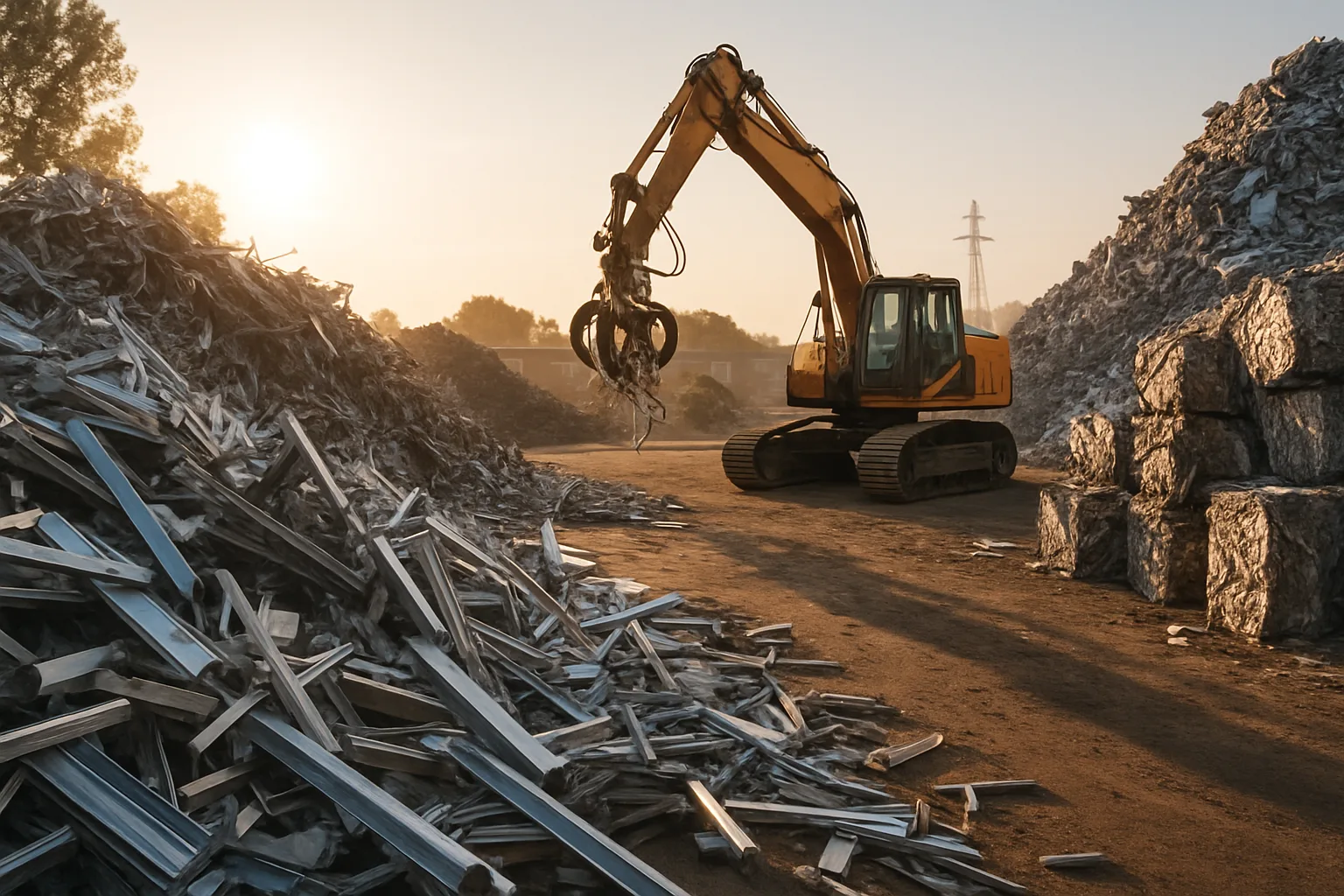
Why Your Aluminum Scrap Grade Determines Everything About Your Payout
Most people selling aluminum scrap leave money on the table — not because they're getting cheated, but because they don't know what they're selling. The aluminum scrap price today isn't one number. It's a range, and where your material lands in that range depends almost entirely on how you sort, identify, and present your load.
If you're hauling mixed aluminum to a yard and taking whatever they offer, you're probably getting paid for the lowest grade in the pile. That's how it works. Buyers price to the worst-case scenario when material is unsorted. Sort it yourself, and you shift the conversation entirely.
This guide breaks down the main aluminum scrap grades, explains what drives value per kilogram, and shows you how yards and platforms like Canada's B2B scrap recycling marketplace help sellers get actual market value — not just a number scrawled on a whiteboard.
Aluminum Scrap Grades Explained: What You're Actually Selling
Aluminum isn't aluminum. The alloy composition, cleanliness, and form all affect what a smelter will pay. Buyers assign grades to reflect melt yield and processing cost. The cleaner and more consistent your material, the higher the grade — and the better your aluminum scrap value per kg.
Here are the grades you're most likely to encounter as a seller in Ontario:
- 1100 / Pure Aluminum (Radiator Fins, Foil): Very high aluminum content. Thin gauge, often dirty. Value depends on cleanliness. Foil packed with food residue grades down fast.
- Cast Aluminum (Engine Blocks, Transmission Cases, Wheels): High-silicon alloy. Heavier pieces, usually clean. Cast wheels are one of the better-paying grades at most Ontario yards.
- Extruded Aluminum / 6061 (Window Frames, Door Frames, Structural): Very clean alloy, high value. Kitchener and the surrounding region generates a lot of this from renovation and construction waste. Separate it from painted or coated material when you can.
- Sheet Aluminum (Siding, Automotive Panels): Mid-grade. Paint and coatings reduce value. Bare sheet grades higher than painted.
- Dirty or Contaminated Aluminum: Mixed alloys, painted, plastic-attached, or corroded. Gets priced as a blended low grade. Often 30–40% below clean extruded pricing.
- Aluminum Cans (UBC — Used Beverage Containers): A separate grade entirely. High volume, consistent alloy. UBC pricing fluctuates with LME aluminum, but it's a reliable market when volumes are there.
The takeaway: sorting before you show up pays off. A mixed load of cast, sheet, and dirty aluminum all goes in as one grade. A separated load gives you pricing on each — and the clean stuff carries the day.
What's Driving the Aluminum Scrap Price Today in 2026
The aluminum scrap price today is shaped by a combination of global and local forces. On the global side, LME (London Metal Exchange) aluminum futures set the baseline. When primary aluminum production costs rise — energy prices, smelter capacity — secondary aluminum (your scrap) gets more competitive, and prices follow.
In 2026, a few factors are keeping aluminum scrap markets active across Canada:
- Automotive lightweighting: More vehicles use aluminum-intensive structures, which means more aluminum returns to the scrap stream as older vehicles are retired.
- Construction activity: Window and door manufacturers in Ontario and across the country generate consistent extrusion offcuts — a clean, high-value grade.
- Energy-intensive primary production: When smelting new aluminum is expensive, buyers pay more to source recycled material. That tightens the spread between primary and scrap pricing.
- Export demand: Canadian scrap moves to U.S. and overseas smelters. Cross-border demand affects what domestic buyers will bid to secure supply.
None of this means prices are guaranteed to stay where they are. Aluminum markets move. If you're sitting on a significant load, timing matters. Platforms that create real buyer competition — rather than a single call to one yard — help you understand what the market is actually willing to pay right now, not last month.
Disclaimer: Aluminum scrap prices fluctuate based on market conditions, alloy grade, and regional demand. Always check current rates before committing to a sale.
How to Maximize Your Aluminum Scrap Value Per Kg Before You Sell
You don't need a forklift or a grading lab to improve your payout. A few practical steps — done before you call anyone — can meaningfully shift what you get per kilogram.
- Sort by alloy type. Cast stays with cast. Extrusion stays with extrusion. Sheet aluminum separate from siding. Even rough sorting helps buyers price with more confidence.
- Remove attachments. Steel bolts in cast housings, plastic trim on aluminum framing, rubber seals on radiators — strip what you can. Contamination pulls the whole grade down.
- Clean visible grease and oil. Aluminum from automotive applications is often coated in oil. Wiping down major surfaces isn't about perfection — it's about showing the buyer clean metal, not contaminated unknown material.
- Document what you have. If you're selling a larger load, photograph each grade separately. A documented load gives buyers more confidence to bid at the top of the range instead of pricing in uncertainty.
- Know your weights before you call. Estimate your tonnage. Buyers treat a seller who knows their load differently than one who says "I don't know, maybe a few hundred pounds?"
- Don't accept the first number. One call to one buyer is not a price discovery process. It's one data point. More buyers competing for your load is how you find out what your material is actually worth.
For Kitchener-area sellers dealing with construction and manufacturing scrap, extrusion and sheet grades are the most common — and both reward the seller who shows up sorted and documented. If you're not sure where to start, Kitchener scrap metal services can help you understand what your local options look like and how to approach your first sale.
Best Scrap Metal Prices in Kitchener and Ontario: Why Competition Matters
Finding the best scrap metal prices in Kitchener isn't about calling five yards and hoping one is having a good day. It's about creating actual competition for your load. When buyers know others are bidding, they price to win — not to see how low you'll go.
This is the structural problem with the traditional yard model. You drive to one place, they weigh your load, and they give you a number. You either take it or drive somewhere else. That's not market pricing. That's convenience pricing — convenient for them.
Platforms like SMASH change that dynamic. SMASH puts vetted buyers in a competitive auction format, so sellers across Ontario — including Kitchener — can see actual competing bids on their material. The inventory documentation tools (photos, weights, grade descriptions) give buyers the information they need to bid confidently, which means sellers get offers based on real interest rather than buyer-side hedging.
More buyers means better price discovery. That's not a sales pitch — it's just how markets work. If you're selling any meaningful volume of aluminum scrap, you should be selling into competition, not away from it. You can sell your scrap metal in Canada on GetMyScrap and access that kind of transparent, competitive process from the start.
Aluminum Isn't the Only Grade Worth Sorting: What Else Is in Your Pile
While you're sorting aluminum, take a hard look at what else is mixed in. Scrap loads from demolition, automotive, and manufacturing are rarely one material. The non-ferrous materials you might be undervaluing include:
- Scrap copper: Wire, pipe, and bus bar all carry separate grades. Bright bare copper is significantly more valuable than insulated wire or contaminated pipe. Don't let it get mixed into your aluminum pile — separate it every time.
- Catalytic converters: If you're pulling cats from vehicles, don't sell them as a mystery lot to whoever is standing at the counter. Cats contain platinum group metals (PGMs) — palladium, platinum, rhodium. The value is in the assay, not the guess. You can get a fair price for your scrap today when you sell through a platform that actually documents what you're sending and connects you with buyers who price off real PGM content.
- Stainless steel: Often mistaken for regular steel by inexperienced sellers. A magnet test tells you quickly — stainless is non-magnetic. It prices much higher than carbon steel and should be kept separate.
- Brass and bronze: Fittings, valves, and architectural hardware show up in renovation scrap regularly. Both pay well when separated cleanly.
The point isn't to complicate your process. It's to recognize that a mixed pile prices like the worst thing in it. An organized load prices like the best thing in it — or at least, like a weighted average that reflects what's actually there. If you want to explore Canadian scrap metal guides that go deeper on copper, catalytic converters, and other non-ferrous grades, the resources are there to help you build a sorting process that works.
Frequently Asked Questions
Q: What is the aluminum scrap price today in Kitchener, Ontario?
Aluminum scrap prices vary by grade, market conditions, and buyer. In Kitchener and across Ontario, clean extruded aluminum consistently pays more per kilogram than dirty or mixed grades. Prices fluctuate with LME aluminum futures and regional demand — always confirm current rates with your buyer or platform before committing to a sale.
Q: What aluminum scrap grade pays the most per kg?
Clean extruded aluminum (6061 alloy, common in window and door framing) and cast aluminum wheels typically sit at the top of the price range for common yard grades. UBC (aluminum cans) can also pay well when volumes are high and the market is active. Cleanliness and separation from contamination are the biggest factors in hitting the top of any grade's range.
Q: How do I find the best scrap metal prices in Ontario?
The most reliable way to find the best scrap metal prices in Ontario is to create competition for your load. One yard, one offer — that's not price discovery. Platforms like SMASH put vetted buyers in a competitive bidding environment, which means sellers see real market interest rather than a single buyer's margin play.
Q: Can I sell catalytic converters online in Canada?
Yes. Selling catalytic converters online through a documented platform is often a better option than selling them over a counter for a flat guess. Cats contain PGMs (platinum, palladium, rhodium) and should be priced based on actual content — not a buyer's lowball estimate. A platform that tracks serial numbers and documents condition gives buyers confidence to bid accurately.
Q: Do I need to separate my aluminum before selling it?
You don't have to — but you'll almost certainly get paid less if you don't. A mixed, unsorted load gets priced at the lowest grade present. Separating cast from extrusion from sheet aluminum takes time, but it typically results in meaningfully higher payouts per kilogram across the board. Even basic sorting makes a real difference.
If you've been sitting on aluminum scrap and settling for whatever number one yard throws out, it's worth reconsidering your approach. Sort your grades, document your load, and sell into actual competition. That's how you find out what your material is actually worth in today's market. When you're ready, GetMyScrap makes it straightforward to request a pickup and connect with buyers who price based on real grade data — not guesswork. Get a fair price for your scrap metal in Canada — request a pickup at getmyscrap.ca.
Follow SMASH on LinkedIn for aluminum market updates, scrap pricing insights, and recycling industry news across Canada and North America.