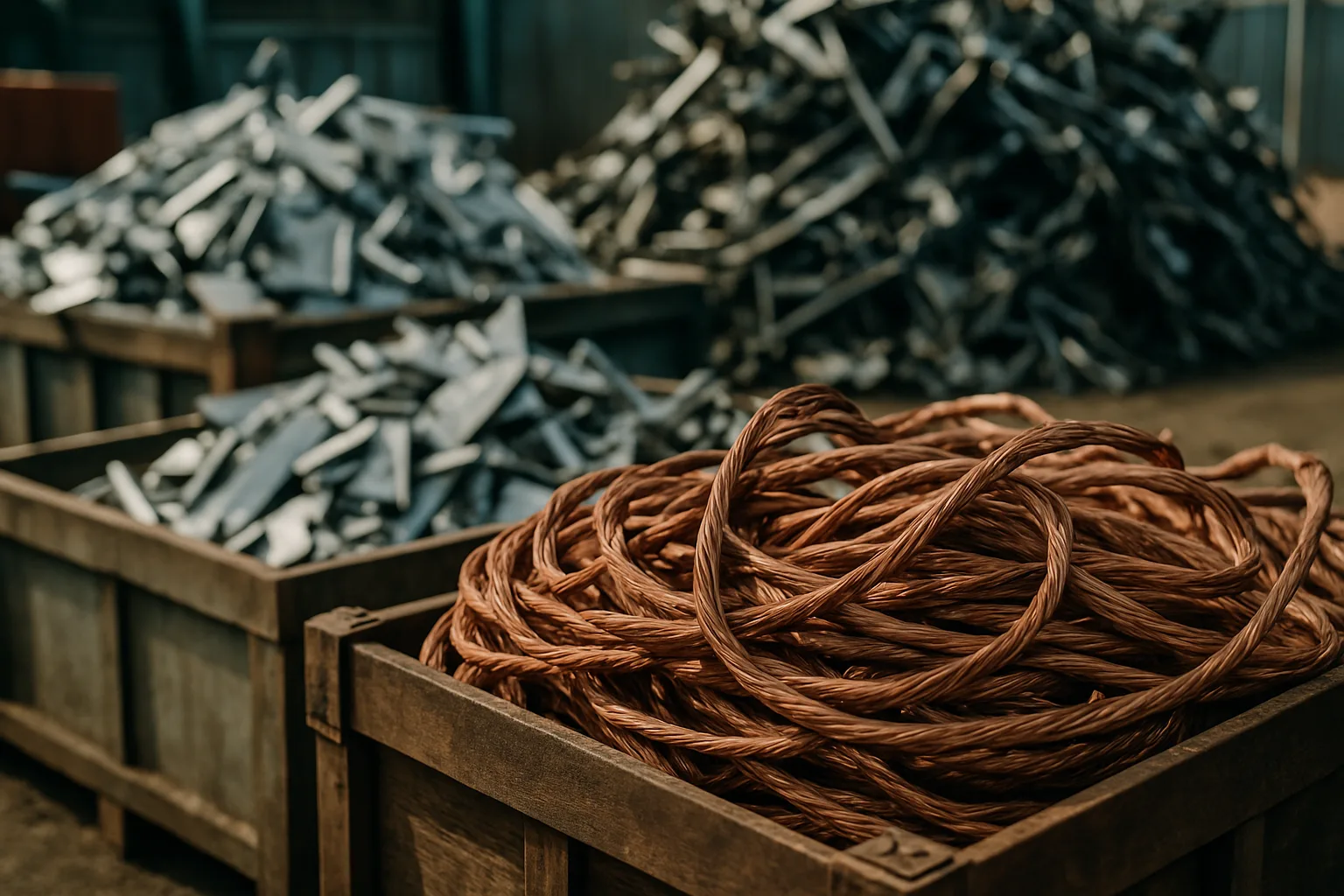
Most people don't think twice about what happens to a dead alternator or a cracked radiator once it leaves the yard. They should. Auto parts are packed with recoverable metals — steel, aluminum, copper — and understanding how that recovery works puts money in your pocket. If you're tracking the steel scrap price today, knowing exactly what's inside these components helps you sort smarter, document better, and negotiate harder.
Auto recycling isn't new. But the process behind breaking down a radiator or stripping an alternator for its copper windings is more structured than most sellers realize. Getting that structure right — from teardown to invoice — is where the real value sits.
What's Actually Inside an Alternator or Radiator
Before you can sell it, you need to know what you're holding. Auto parts aren't single-material components. They're assemblies — multiple metals bonded, cast, or pressed together. That matters because scrap buyers price by material type, not by part name.
Here's a breakdown of what's typically recoverable from the two most common auto parts that hit the yard:
- Alternators: The housing is usually cast aluminum. Inside, you've got copper windings, steel laminations in the stator, and iron in the rotor. A standard automotive alternator weighs between 4 and 8 kg. The copper content alone makes it worth sorting separately from bulk mixed metal.
- Radiators: Most modern radiators are aluminum-core with plastic end tanks. Older brass-and-copper radiators are worth significantly more per kilogram. The aluminum core is still a solid non-ferrous commodity — don't let it ride in your steel bin.
- Starters: Similar construction to alternators — copper windings, cast housing, steel internals.
- Steel brackets and mounts: Low-value but high-volume. These go into your ferrous pile and contribute directly to your scrap metal prices today calculation when you're moving a full load.
Sorting matters. Mixing a copper-wound alternator into a bulk steel load is leaving money on the table. A yard in Trois-Rivières doing regular auto dismantling can easily separate hundreds of kilograms of clean aluminum and copper-bearing components every month — all priced at a premium over generic steel scrap.
The Recycling Process: From Part to Raw Material
Once auto parts arrive at a recycling facility, they go through a standardized breakdown process. Understanding these steps helps you prepare your material in a way that gets better quotes from buyers.
Step 1: Depollution
Fluids come out first. Coolant from radiators, oil from any engine-adjacent parts. This is regulated — in Quebec, environmental handling standards apply to fluid recovery from end-of-life vehicles and components. Proper depollution protects you from liability and keeps the metal clean for processing.
Step 2: Manual Disassembly
Skilled dismantlers separate the metal grades by hand. On an alternator, that means pulling the copper windings, separating the aluminum housing, and setting aside the steel components. The cleaner the separation, the higher the value per kilogram. Facilities that skip this step and shred everything together lose value on the back end.
Step 3: Shredding and Sorting
What doesn't get hand-dismantled goes through an industrial shredder. Magnetic separators pull ferrous steel out of the stream. Eddy-current separators recover non-ferrous metals like aluminum and copper. The output is sorted by metal type and graded for purity. This is where your scrap metal inventory management practices upstream affect the downstream yield — cleaner incoming material means higher-grade output.
Step 4: Melting and Refinement
Separated metals go to smelters. Steel goes to electric arc furnaces. Aluminum goes to secondary smelters where it's melted, alloyed, and cast into ingots. Copper gets refined and drawn into wire or rolled into sheet. These refined products feed back into manufacturing — your old radiator might end up as part of a new HVAC system six months from now.
How Scrap Metal Prices Today Affect What You Get for Auto Parts
The steel scrap price today is one piece of a larger pricing picture. Auto parts pricing layers on top of base commodity rates, adjusted for metal mix, contamination, and processing cost. Here's how that plays out in practice.
Aluminum radiators trade at a fraction of copper-brass radiators, but aluminum prices have been relatively stable compared to ferrous scrap, which moves more with global steel demand and trade flows. In mid-2026, steel markets have been watching feedstock availability carefully — electric arc furnace capacity in North America has expanded, which supports steady demand for clean ferrous scrap. That backdrop matters when you're calculating what a load of auto steel is worth.
Copper-wound components like alternators and starters track closely with scrap copper pricing. When copper moves, so does the value of anything with significant copper content. Buyers who understand this will price those components more aggressively when copper is running hot.
The practical takeaway: don't assume a single price per kilogram covers everything. Separate your grades, document your weights by material type, and you'll get quotes that reflect actual market value — not a blended average that benefits the buyer more than you.
Platforms like SMASH Recycling — where verified buyers bid on your metal are built specifically for this kind of structured selling. Instead of calling one buyer and hoping, you put documented, graded inventory in front of multiple vetted buyers and let competition do the work.
Scrap Metal Inventory Management for Auto Parts: Why Documentation Pays
Here's where a lot of sellers leave money behind. You've done the sorting. You've got a clean pile of aluminum radiators, a bin of copper-wound starters, and a stack of ferrous brackets. If none of it is documented, you're negotiating blind.
Good scrap metal inventory management for auto parts means tracking:
- Part type and quantity
- Estimated metal content and grade
- Photos of the material — especially for higher-value components
- Weight by grade where you can get it
- Any processing done (windings pulled, housing stripped, etc.)
This documentation gives buyers confidence. A buyer looking at a photo-documented lot of 200 stripped alternators with confirmed copper windings is going to bid more aggressively than a buyer looking at a vague line item that says "misc. auto parts." That difference in buyer confidence translates directly into price.
In Trois-Rivières, where auto dismantling operations range from small family yards to larger commercial facilities, this documentation gap is real. Yards that invest in photo documentation and weight tracking consistently report cleaner transactions — fewer disputes, faster payment, and better repeat buyer relationships.
The SMASH scrap metal auction platform is built around this principle. Inventory tools, photo documentation, serial tracking — it's all there to help sellers present their material professionally and help buyers price it accurately. That's how you get genuine competition on a load instead of a lowball from a single call. You can sell your scrap metal in Canada on GetMyScrap and connect to that buyer network from the start.
Regulatory Context in 2026: What Quebec Sellers Need to Know
Recycling auto parts in Quebec isn't just a commodity play — there are regulatory considerations that affect how you handle, transport, and sell certain materials. As of 2026, a few areas are particularly relevant for scrap sellers handling auto parts.
Fluid handling requirements remain strict. Coolant, oil, and refrigerant must be recovered by certified handlers before components are scrapped. If you're pulling radiators from end-of-life vehicles, confirm your process meets current provincial standards.
Catalytic converter documentation has tightened across most Canadian provinces, including Quebec. Serial number tracking and seller identification requirements apply to catalytic converter sales at licensed scrap facilities. If you're bundling cats with a load of other auto parts, document them separately. Platforms with serial tracking built in — like SMASH — make this straightforward rather than a compliance headache.
Metal dealer record-keeping rules require licensed scrap dealers to maintain transaction records, including seller information and material descriptions. Whether you're selling a few alternators or a full container load, keeping clean records protects you and speeds up payment.
If you're in the Trois-Rivières area and navigating these requirements for the first time, connecting with a compliant buyer network is the fastest way to get it right. You can explore Canadian scrap metal guides for more on provincial requirements and best practices.
How to Sell Auto Parts Scrap Metal and Get a Fair Price
You've sorted your material. You've documented it. You understand what's in it. Now the question is: who buys it, and how do you know you're getting a fair number?
The old way — calling your one regular buyer, getting a price, taking it or leaving it — doesn't give you price discovery. It gives you one data point from a buyer who has every incentive to buy low. More buyers means better price discovery. That's not a complicated concept, but it requires access to a network, not just a contact list.
SMASH is built for exactly this. Vetted buyers across North America compete on documented loads. No subscription fees — SMASH only wins when the seller wins. The auction format means the market sets your price, not a single buyer's margin target. Whether you're moving a load of scrap aluminum radiators or a mixed lot of copper-wound components, competition helps reveal what your material is actually worth.
If you're ready to stop guessing and start selling with data behind you, get a fair price for your scrap today and see what documented, competitive selling looks like in practice.
The scrap metal market in 2026 rewards sellers who come prepared. Sort your grades, document your loads, and put them in front of buyers who compete. That's the whole game.
Frequently Asked Questions
Q: What is the steel scrap price today in Canada?
Steel scrap prices fluctuate based on global demand, North American mill activity, and feedstock availability. As of mid-2026, ferrous scrap markets have been influenced by expanded electric arc furnace capacity. Always check current rates with a licensed buyer or through a platform like SMASH before finalizing a sale — prices can shift week to week. Disclaimer: Prices fluctuate. Always verify current rates before selling.
Q: Are alternators and radiators worth separating from bulk steel scrap?
Yes — consistently. Alternators contain copper windings and aluminum housings that are worth more per kilogram than straight steel. Radiators, especially brass-and-copper units, trade at non-ferrous rates. Sorting these components before selling gives you access to higher-value price grades and stronger buyer competition.
Q: How do scrap metal prices today affect what I get for auto parts in Trois-Rivières?
Auto parts pricing in Trois-Rivières tracks national and global commodity markets — copper, aluminum, and steel all have their own price drivers. Local buyer competition and transportation costs also factor in. Using a platform that brings multiple buyers to your load helps ensure you're seeing market price, not just one local buyer's offer.
Q: Do I need documentation to sell scrap catalytic converters in Quebec?
Yes. Quebec, like most Canadian provinces, requires licensed scrap dealers to record seller identification and serial numbers for catalytic converter transactions. Sell through a compliant platform and keep records of every transaction. Platforms with built-in serial tracking make this straightforward.
Q: How do I find scrap metal buyers near me in Canada?
Beyond local yard directories, platforms like SMASH connect sellers across Canada with vetted buyers who compete on documented loads. This is particularly useful if you're moving volume — a single local buyer call doesn't give you a market price. Visit smashrecycling.ca or getmyscrap.ca to start the process.
Ready to move your auto parts scrap? Get a fair price for your scrap metal in Canada — whether you're in Trois-Rivières or anywhere else across the country, documented selling beats guessing every time. Request a pickup and start the process at getmyscrap.ca.
Stay current on scrap metal market trends and industry updates — follow SMASH on LinkedIn for insights that actually apply to your yard.