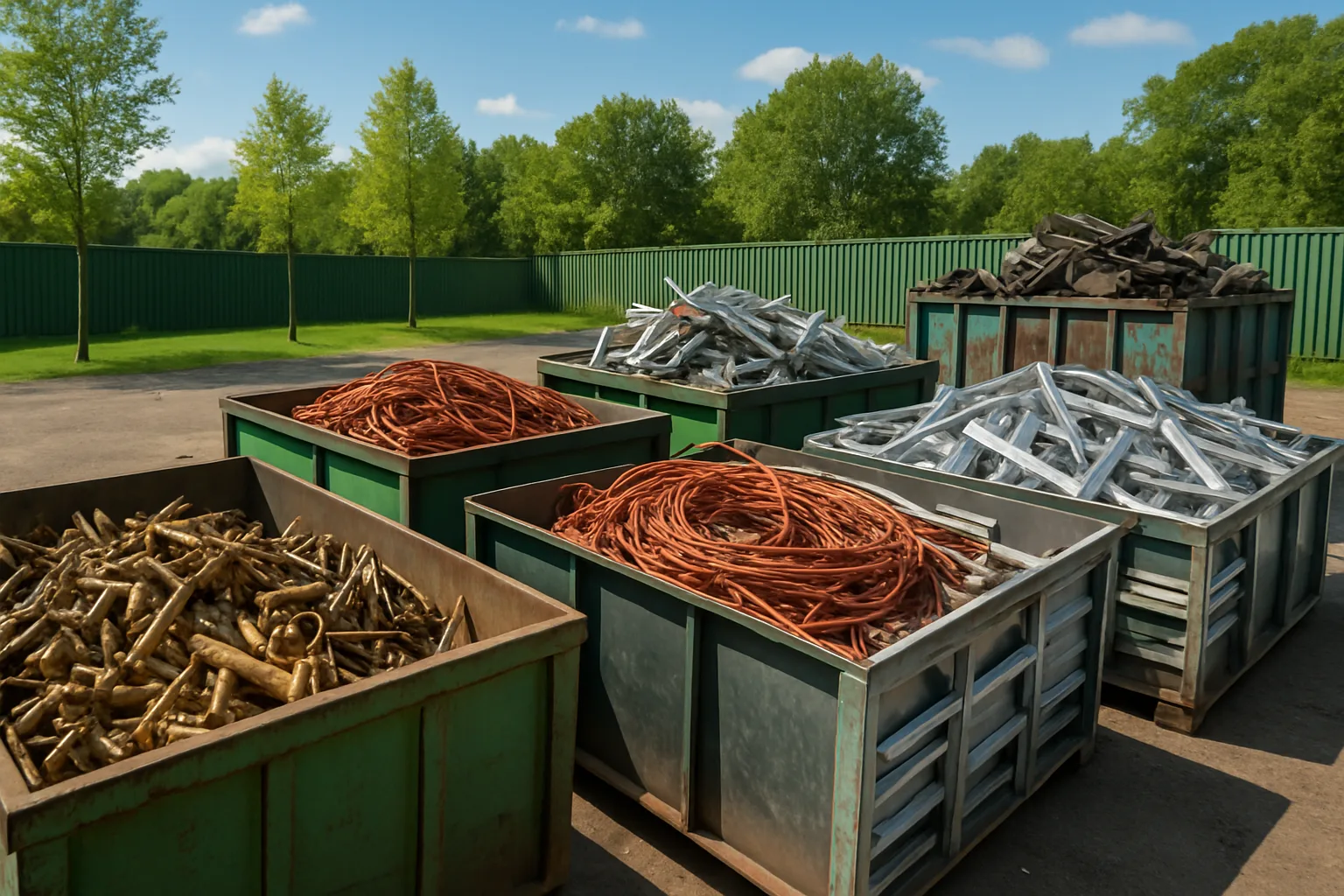
Brass and Bronze Scrap: What It's Worth and Where to Find It in Moncton
Most people walk right past brass and bronze without knowing they're leaving real money on the table. These aren't rare metals — they're hiding in old plumbing, hardware stores' discard bins, demolition sites, and forgotten equipment sitting in garages across New Brunswick. If you're trying to sell scrap metal near me Moncton, brass and bronze are two of the highest-value non-ferrous materials you can bring to the table.
This guide breaks down what these metals actually are, where to find them, what they're worth, and how platforms like SMASH help you stop guessing and start getting real market value for your loads.
What Are Brass and Bronze — and Why Does It Matter for Scrap Metal Recycling Canada?
Brass and bronze get lumped together constantly. They look similar. They feel similar. But they're not the same metal, and yards often pay different rates for each. Knowing the difference matters for scrap metal recycling Canada-wide — and especially when you're sorting a load before you haul it in.
Brass is an alloy of copper and zinc. It's the yellower of the two — think faucets, valves, door hardware, plumbing fittings, and musical instruments. It machines cleanly and resists corrosion, which is why plumbers and manufacturers use it everywhere. In scrap, it typically grades out as yellow brass, red brass (higher copper content), or brass rod.
Bronze is an alloy of copper and tin. It's darker and redder than brass, often found in bearings, bushings, electrical connectors, marine hardware, and older statues or decorative castings. Bronze has a higher copper content on average than yellow brass, which is part of why it often commands a slightly better price per pound.
Both metals are non-ferrous — no magnet will stick to them. That's your first field test. If a magnet doesn't grab it, you're likely looking at something worth real money.
Where to Find Brass and Bronze Scrap in and Around Moncton
You don't need to work a demolition site to build up a decent load. Brass and bronze are embedded in everyday items that get thrown out, renovated out of homes, or surplused from commercial operations. Once you know what to look for, you start seeing it everywhere.
Here are the most consistent sources:
- Plumbing renovations: Old homes in Moncton and across New Brunswick are full of brass fittings, gate valves, shutoff valves, and compression fittings. Any bathroom or kitchen gut-out is a legitimate brass source.
- HVAC and mechanical systems: Boiler components, radiator valves, and hydronic heating systems use brass extensively. Commercial building teardowns are especially productive.
- Electrical equipment: Bus bars, terminal blocks, and grounding hardware often contain brass. Old switchgear and panels can be worth sorting carefully.
- Marine and industrial equipment: Propeller shafts, pump housings, and bearing assemblies frequently contain bronze. Industrial equipment dealers and marine repair shops sometimes surplus old cores.
- Automotive parts: Radiator end tanks (older vehicles), carburetors, and some fuel system components contain brass. This overlaps with general scrap copper and non-ferrous recovery from end-of-life vehicles.
- Estate sales and auctions: Older households often have brass fixtures, hardware, candlesticks, decorative items, and tools. Worthless as antiques, valuable as scrap.
- Demolition and construction debris: Commercial plumbers and general contractors generate significant brass offcuts and replaced fixtures. Build relationships here — it's repeatable volume.
The key is sorting before you sell. Mixed loads get downgraded. Separating yellow brass from red brass from bronze — and keeping them free of iron and steel attachments — puts more money in your pocket every time.
What Is Brass and Bronze Scrap Actually Worth?
Brass and bronze prices move with the copper market. Copper is the dominant component in both alloys, so when copper prices shift, your brass and bronze rates shift with them. That's why checking current prices before you sell matters — what you got paid six months ago might be meaningfully different from today's rate.
In general terms, here's how the grades stack up in value (highest to lowest):
- Clean red brass — highest copper content among common brass grades, commands the best price
- Bronze / bearing bronze — high copper content, consistently strong price
- Yellow brass (clean) — solid everyday grade, most common source material
- Brass rod / turnings — machined brass in smaller form, often traded by weight in bulk
- Mixed / dirty brass — attached fittings, soldered joints, or contamination will pull your rate down
The difference between clean and dirty brass can be significant on a large load. Spend time at the bench knocking off iron nipples, cutting out steel inserts, and removing rubber gaskets. That prep work pays real dividends when the scale ticket prints.
Disclaimer: Scrap metal prices fluctuate daily based on commodity markets, regional demand, and load quality. Always verify current rates directly with your buyer before selling.
How a Scrap Metal Auction Changes What You Earn
Here's the problem with the old way of selling scrap: you call one buyer, they give you one price, and you take it or leave it. You have no way of knowing if that number is fair, low, or just their opening offer. That information gap costs yards and individual sellers money every single day.
A scrap metal auction model flips that dynamic. Instead of one buyer setting the terms, multiple vetted buyers compete for your load. Competition can help reveal the market. More buyers means better price discovery. That's the core of what SMASH does — and it's why sellers who've used it stop going back to the single-phone-call method.
SMASH brings structure to a process that has historically been entirely informal. You document your load — photos, weights, grades, metal type — and vetted buyers bid on it. No subscription fees. SMASH only wins when you win. For non-ferrous loads like brass and bronze, where per-pound values are meaningful, having even two or three buyers competing can make a real difference on a 500-pound load.
If you're comparing scrap metal bids from Canadian buyers, the auction format is worth understanding. It's not complicated. It's just competitive — and competition works in your favour.
Building a Repeatable Brass and Bronze Sourcing Operation
One good load is luck. A repeatable operation is a business. The sellers who consistently profit from brass and bronze aren't just finding it randomly — they've built sourcing relationships that generate volume on a regular basis.
Think about who generates brass and bronze scrap as a byproduct of their normal work:
- Plumbing contractors doing residential and commercial renovations
- HVAC companies replacing boilers and mechanical systems
- Electricians upgrading panels and switchgear
- Industrial maintenance teams surplusing worn bearings and pump parts
- Municipalities and utilities replacing water infrastructure
Offer to pick up their scrap on a regular schedule. Keep the process simple for them — they don't want to manage scrap logistics. You handle the sorting, the transport, and the sale. You split the upside appropriately or pay a flat pickup fee. Done right, this model generates consistent non-ferrous volume without needing to hunt for new sources constantly.
If you're building volume in the Moncton area, Moncton scrap metal services through GetMyScrap can help you connect sourcing with streamlined selling — so you're not spending your margin on logistics inefficiency.
For sellers anywhere in Canada looking to understand the full picture before they move a load, explore Canadian scrap metal guides on the GetMyScrap blog — there's practical information on grades, pricing, and how to prep loads properly.
Using Documentation and Platforms Like SMASH to Protect Your Load's Value
One thing experienced sellers know: how you present a load affects what you get paid for it. A well-documented brass load — weighed, photographed, graded, and clearly described — gives buyers confidence. Confident buyers bid more aggressively. Poorly documented loads create uncertainty, and buyers price uncertainty with a discount.
SMASH supports photo documentation, serial tracking on certain load types, and structured inventory tools that help sellers present their material clearly. For non-ferrous loads like brass and bronze where grade matters, that documentation layer is meaningful. It reduces the back-and-forth, builds buyer trust, and helps establish a track record that makes future sales smoother.
This isn't bureaucracy for its own sake. It's the difference between a buyer committing to a price and a buyer hedging. When you're moving real weight — especially on commercial or industrial loads — documentation pays for itself.
Whether you're a first-time seller cleaning out a renovation project or a regular hauler moving industrial non-ferrous loads across New Brunswick, the approach is the same: sort cleanly, document well, and sell into competition rather than to a single buyer on their terms.
Ready to stop guessing what your scrap is worth? Sell your scrap metal in Canada on GetMyScrap and get connected with buyers who are actually competing for your load. That's how price discovery is supposed to work.
If you're in the Moncton area and ready to move brass, bronze, or any other non-ferrous material, get a fair price for your scrap today — request a pickup and let the market tell you what your load is actually worth.
Frequently Asked Questions
Q: How do I know if the metal I have is brass or bronze?
Start with a magnet — neither brass nor bronze is magnetic, so if the magnet sticks, it's ferrous and not worth as much. Brass tends to be yellower and is commonly found in plumbing hardware and valves. Bronze is darker and redder, typically found in bearings, bushings, and marine components. When in doubt, bring a sample to your buyer and ask for a grade assessment before committing the full load.
Q: Where can I sell scrap metal near me in Moncton?
If you're looking to sell scrap metal near me Moncton, GetMyScrap connects you with buyers serving the Moncton and broader New Brunswick market. Rather than calling around to individual yards, you can document your load and have buyers compete for it — which gives you a better sense of what the market is actually paying on any given day.
Q: Does sorting my brass and bronze before selling actually matter?
Yes — significantly. Mixed or contaminated loads get downgraded to the lowest-value material in the mix. Removing iron fittings, rubber gaskets, and steel inserts before you sell takes time, but it typically earns back more per pound than the labor costs. Clean, separated grades always command better rates than mixed non-ferrous loads.
Q: What is a scrap metal auction and how does it work?
A scrap metal auction puts your load in front of multiple vetted buyers at the same time, instead of negotiating with just one buyer. Each buyer bids competitively, which means the price reflects actual market demand rather than a single buyer's offer. Platforms like SMASH run this process with documented loads, structured bidding, and no subscription fees — the platform earns when you sell, not upfront.
Q: How often do brass and bronze scrap prices change?
Brass and bronze prices track the copper commodity market, which moves daily. Rates can shift meaningfully week over week depending on global demand, currency fluctuations, and supply conditions. Always check current prices directly with your buyer or platform before scheduling a sale — never assume last month's rate still applies today.
Stay current on scrap metal market trends and industry news by following SMASH on LinkedIn — useful if you're moving regular non-ferrous volume and want to track what the market is doing.