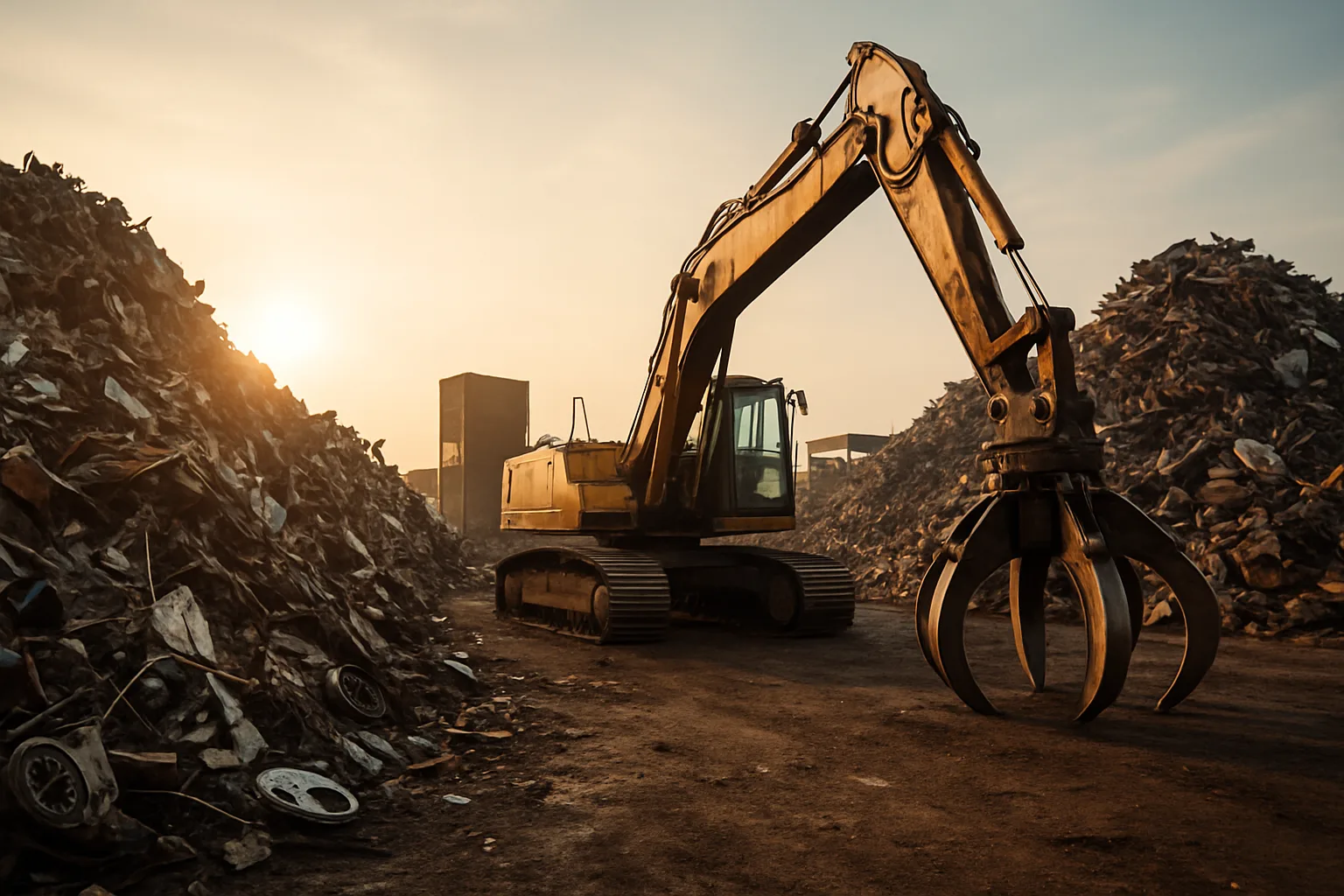
What's Inside Your Old Car Parts — And What They're Worth as Scrap
Most people see a dead alternator or a corroded radiator and think: garbage. Recyclers see something different. Auto parts like radiators, alternators, starters, and AC compressors are packed with recoverable metals — aluminum, copper, steel, and sometimes brass. Knowing what's inside them changes how you approach a scrap metal auction and whether you walk away with a fair price or leave money on the table.
This guide breaks down exactly how common auto parts get processed for scrap, what metals come out of them, and how to sell smarter in today's market — whether you're in Coquitlam, across British Columbia, or anywhere else in Canada.
Radiators: More Metal Than You Think
A typical automotive radiator is one of the more valuable scrap parts sitting in a junkyard or garage. Older radiators — especially those from pre-2000 vehicles — are copper and brass construction. Copper-brass radiators can weigh between 5 and 15 lbs depending on the vehicle, and copper consistently trades near the top of the non-ferrous metal value chart. Even at mid-range copper prices, a single copper-brass radiator has real weight behind it.
Newer vehicles almost universally use aluminum-plastic radiators. The aluminum core is recoverable, but it needs to be processed correctly. Most yards strip the plastic end tanks before pricing the load — mixed aluminum-plastic assemblies typically fetch less than clean aluminum. If you're selling a load of radiators, knowing whether they're copper-brass or aluminum matters before you quote or accept any number.
Here's what scrap yards typically look for when pricing radiators:
- Material type — copper-brass vs. aluminum core
- Condition — drained of fluid (most yards require this)
- Cleanliness — plastic tanks still attached vs. stripped
- Weight — bulk loads get better attention than single units
On a scrap metal auction platform, documented radiator loads with photos and clear material descriptions attract more competitive bids. Buyers can't lowball what they can clearly see and verify. That transparency is the difference between getting market price and getting guessed at.
Alternators and Starters: The Steel-and-Copper Combo
Alternators and starters are what recyclers call "mixed metal" parts. The housing is cast aluminum or steel. Inside, you've got copper windings, steel rotors, and in some cases small amounts of other materials. The value is real — it's just not as simple as tossing them on the steel pile and calling it a day.
Whole alternators are typically sold as "rotors" or "alternators" by the piece or by the pound at most scrap yards. Some buyers shred them whole. Others de-wire them first to recover the copper windings separately, since clean copper is worth considerably more per kilogram than the blended whole-unit price. If you're processing volume — say, a fleet operation or a dismantler in Coquitlam running through 20 or 30 units — the math on de-wiring starts to make sense. For a handful of units, selling whole is usually more practical.
Starters follow a similar pattern. Steel housing, copper windings, sometimes a small amount of brass in the brush assembly. Understanding the aluminium scrap value per kg for the housing and the copper value for the winding helps you evaluate whether a yard's offer is reasonable or lazy.
For buyers on platforms like find the best price for your scrap in Canada, documented loads of alternators and starters — with counts, weights, and photos — generate better bids than vague descriptions. More information means more confidence, and more confidence means competition.
AC Compressors, Power Steering Units, and Other Non-Ferrous Parts
AC compressors are primarily aluminum, making them one of the cleaner non-ferrous auto parts in the recycling stream. They're dense for their size and usually easy to identify. Most yards will price them per pound as clean cast aluminum, though some buy them as a separate commodity by the unit.
Power steering pumps and gear boxes are a mix of aluminum, steel, and sometimes cast iron. The non-ferrous content is what gives them value above a straight steel price. If you're stripping a vehicle or clearing an auto parts inventory in British Columbia, sorting these out from your shred steel makes a measurable difference to your return.
A few other parts worth pulling before the car goes to the crusher:
- Catalytic converters — platinum group metals (PGMs) inside; these are a separate commodity entirely and should never go in with the steel
- Copper wiring harnesses — even partially stripped, wire has real value
- Aluminum wheels — cast aluminum, easy to price and move
- Brass fittings and valves — often overlooked on older vehicles
If you're dealing in catalytic converters, the market has gotten more structured. Buyers want serial numbers, VIN documentation, and photo records — both for pricing accuracy and regulatory compliance. The ability to sell catalytic converters online with full documentation through a vetted platform protects both sides of the transaction. Platforms like SMASH support serial tracking and photo documentation for exactly this reason.
The Steel in Auto Parts — And Why the Steel Scrap Price Today Matters
Not everything in a car is non-ferrous. Suspension components, brake rotors, engine blocks (on older cast-iron motors), exhaust manifolds, and body steel all end up in the ferrous pile. The steel scrap price today in Canada fluctuates based on global mill demand, domestic production levels, and export activity — and 2026 has continued to see volatility tied to infrastructure spending and trade dynamics across North America.
For most yard operators and individual sellers, the steel price is the baseline. Non-ferrous sorting is where you move the needle. If you're selling a mixed load of auto parts, the buyer will mentally separate what's ferrous and what's not. If you do that sorting first, you take back control of the pricing conversation.
In markets like Coquitlam and the broader Metro Vancouver area, competition among buyers exists — but it's not always visible to the seller. That's the core problem with the old model: one phone call, one number, take it or leave it. A scrap metal auction format exposes what the market will actually pay. More buyers bidding on your documented load means you see the real price, not the floor offer from whoever picked up the phone.
For those looking to benchmark what they should be receiving, sell your scrap metal in Canada on GetMyScrap to connect with buyers who compete for your material rather than waiting for you to accept the first number you're given.
How to Sell Auto Parts Scrap the Right Way
Whether you're an individual clearing a garage, a dismantler in Coquitlam moving volume, or a fleet operator in British Columbia handling end-of-life vehicles, the process is the same. Preparation and documentation are what separate good outcomes from average ones.
Here's the practical approach:
- Sort before you sell. Separate ferrous from non-ferrous. Pull catalytic converters, copper wiring, and aluminum parts before anything goes to the crusher.
- Document what you have. Photos, weights, part counts. If you're selling catalytic converters, record the serial number and VIN if available.
- Know the material grades. Copper-brass radiators vs. aluminum radiators. Cast aluminum vs. mixed aluminum. Clean copper wire vs. insulated wire. These distinctions directly affect price.
- Don't accept the first offer by default. One call, one price is how sellers leave money on the table. Get your load in front of multiple vetted buyers.
- Use a platform that creates competition. SMASH connects sellers with buyers across North America through a transparent auction format. No subscription fees — they only make money when you sell.
SMASH handles the documentation side with inventory tools, VIN lookup, serial tracking, and photo documentation. That's not administrative overhead — it's what gives buyers the confidence to bid higher. SMASH scrap listings with full documentation consistently attract more serious attention than vague, undescribed loads.
If you want a starting point for understanding current rates and finding buyers who compete for your material, explore Canadian scrap metal guides for up-to-date breakdowns on pricing, materials, and what to expect from the market.
What the Market Looks Like Right Now for Auto Parts Scrap
As of June 2026, demand for non-ferrous auto parts scrap remains active across North America. Aluminum continues to be a strong performer — secondary aluminum demand from domestic manufacturers has kept cast aluminum pricing supported. Copper is always in demand and the radiator and wiring markets reflect that. Steel has seen more movement, with domestic mill demand creating periodic upticks in shredded steel pricing.
For British Columbia sellers, proximity to Pacific Rim export markets adds a layer of demand that inland markets don't always see. Buyers in the region are active, and competition among them is real — you just need a way to access it systematically rather than through whoever you happened to call last time.
Catalytic converter pricing remains highly VIN- and serial-dependent. The days of ballpark quotes on cats are effectively over for serious buyers and sellers. Documentation is the baseline expectation now, not a bonus. If you're looking to sell catalytic converters online, verified documentation is what separates a fast, fair transaction from a prolonged negotiation or a lowball offer.
Disclaimer: Scrap metal prices fluctuate daily based on global commodity markets, local supply and demand, and material grade. Always check current rates before finalizing a sale. Nothing in this article constitutes a price guarantee.
When you're ready to move your material, get a fair price for your scrap today — whether it's a load of radiators, a pile of alternators, or a box of cats with full documentation. The market is there. You just need the right platform to reach it.
Frequently Asked Questions
Q: Are radiators worth scrapping separately, or should I just sell them with the whole car?
Separating a radiator before scrapping the car almost always gets you more money. Copper-brass radiators especially carry a non-ferrous premium well above shredded steel pricing. If the radiator is aluminum, the uplift is smaller but still real when you're selling clean material. Pull it out and price it separately.
Q: Where can I find the best scrap metal prices in Coquitlam or the Metro Vancouver area?
Calling individual yards gets you one price. Platforms that put your documented load in front of multiple vetted buyers give you a clearer picture of what the market will pay. For British Columbia sellers, SMASH connects you with buyers competing for your material — that competition is how you find the real price, not just the convenient one.
Q: What is a scrap metal auction and how does it work for auto parts?
A scrap metal auction puts your documented load — photos, weights, material descriptions — in front of multiple vetted buyers who submit competing bids. Instead of one buyer setting the price, the market sets it. For auto parts with identifiable non-ferrous content, a competitive auction format typically reveals stronger pricing than a single-buyer phone call.
Q: Do I need to drain fluids from auto parts before scrapping them?
Yes. Most scrap yards and recyclers require radiators, AC compressors, and power steering units to be drained before accepting them. Fluids create contamination issues and some yards will reject or discount loads that aren't properly drained. Check requirements with your buyer before delivering.
Q: How does SMASH handle catalytic converter sales documentation?
SMASH supports serial tracking, VIN lookup, and photo documentation for catalytic converter inventory. This matters because cat pricing is VIN- and serial-dependent — buyers need accurate identification to submit competitive bids. Full documentation protects the seller from lowball guesses and gives buyers the confidence to bid at market rates.
Ready to stop guessing what your scrap is worth? Whether you're in Coquitlam or anywhere across Canada, sell your scrap metal in Canada on GetMyScrap and connect with buyers who compete for your material. No subscription fees. No cold calls. Just a transparent market that works for the seller.
Follow SMASH on LinkedIn for ongoing scrap metal market updates, price insights, and industry news across North America.