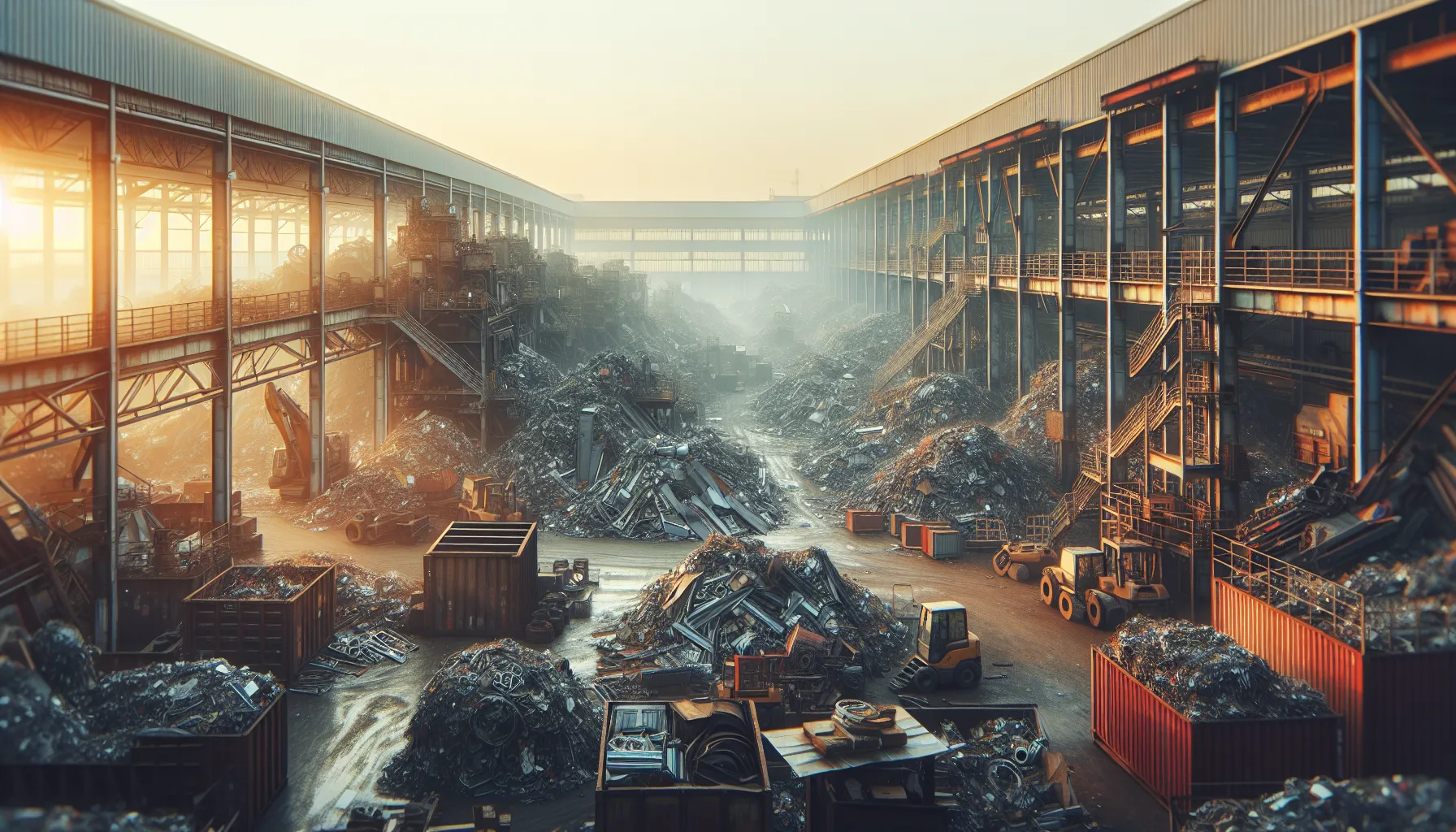
Understanding how recycling yards weigh and grade your scrap metal is crucial for maximizing your returns in Canada's competitive marketplace. Whether you're selling copper pipe from a renovation project or catalytic converters from old vehicles, knowing the evaluation process helps you prepare better and negotiate confidently. Modern scrap metal auction platforms like SMASH have transformed this traditionally opaque process, giving sellers more transparency and better pricing opportunities across British Columbia and beyond.
The weighing and grading process directly impacts your final payout. Recycling yards use standardized methods to determine both quantity and quality, but significant variations exist between facilities. Smart sellers leverage this knowledge to choose the right buyers and maximize their profits.
The Standard Weighing Process at Recycling Facilities
Professional recycling yards follow strict protocols when weighing scrap metal. The process begins when you arrive at the facility or when mobile buyers visit your location in Coquitlam or surrounding areas.
First, your vehicle gets weighed on certified truck scales before unloading. These industrial-grade scales must meet Transport Canada accuracy standards and undergo regular calibration. After unloading your materials, they weigh your empty vehicle again. The difference represents your scrap metal's gross weight.
However, gross weight doesn't equal your payout weight. Yards deduct for moisture, dirt, and non-metallic attachments. A rusty steel beam might lose 10-15% of its weight due to oxidation and scale. Copper wire with plastic insulation gets discounted for the insulation weight.
Smart sellers clean their materials beforehand. Removing dirt, plastic, and other contaminants from copper pipes or aluminum siding can increase your payout by 20-30%. When you sell your scrap metal in Canada on GetMyScrap, preparation directly translates to better returns.
Metal Grading Categories and Their Impact on Pricing
Recycling facilities categorize scrap metals into specific grades, each commanding different prices. Understanding these grades helps you sort materials properly and set realistic price expectations.
Copper grades range from #1 bright copper (the highest grade) to lower categories like #2 copper or insulated wire. #1 bright copper must be clean, unalloyed, and free from paint or corrosion. It commands premium prices in the current market. #2 copper allows for some tarnishing and minor attachments but still maintains good value.
Aluminum classifications include clean aluminum sheet, extruded aluminum, and cast aluminum. Each grade reflects the metal's purity and processing requirements. Clean aluminum siding from building renovations typically qualifies for higher grades than painted or contaminated materials.
Steel categories encompass heavy melting steel, light iron, cast iron, and specialty steels. Heavy melting steel includes thick structural materials over quarter-inch thickness. Light iron covers thinner materials like appliance shells or car body panels.
Catalytic converter grading involves complex chemistry. Yards assess platinum, palladium, and rhodium content through various testing methods. Different vehicle types and years contain varying precious metal concentrations, affecting final valuations significantly.
Testing Methods Used for Metal Verification
Modern recycling facilities employ multiple testing methods to verify metal composition and determine accurate grades. These technologies protect both buyers and sellers by ensuring fair pricing based on actual metal content.
X-ray fluorescence (XRF) analyzers provide instant composition analysis for most metals. Operators point the handheld device at your material and receive detailed elemental breakdowns within seconds. This technology particularly benefits copper and aluminum transactions, identifying alloy content that affects pricing.
Magnet testing remains the simplest method for separating ferrous from non-ferrous metals. Yards use powerful electromagnets to quickly sort steel and iron from aluminum and copper materials. However, some stainless steel grades are non-magnetic, requiring additional testing methods.
Density testing helps identify aluminum alloys and detect contamination. Pure aluminum has a specific density of 2.7 grams per cubic centimeter. Variations indicate alloy content or foreign materials mixed within the scrap.
For precious metal recovery from catalytic converters, yards often use acid testing or send samples to specialized laboratories for detailed analysis. This process determines exact platinum group metal concentrations, enabling accurate pricing for these valuable components.
Platforms like SMASH revolutionize this process by connecting sellers with multiple verified buyers who use standardized testing methods. When you compare scrap metal bids from Canadian buyers, you benefit from competitive evaluation processes that maximize your returns.
Regional Variations in British Columbia's Market
Recycling practices vary significantly across British Columbia's diverse geography and industrial landscape. Coquitlam's proximity to Vancouver's major port facilities creates unique advantages for scrap metal sellers in the region.
Urban facilities in Coquitlam and Vancouver typically invest in more sophisticated testing equipment and standardized processes. These operations handle higher volumes and often provide better pricing for clean, properly sorted materials. Rural facilities might offer more personalized service but sometimes lack advanced testing capabilities.
Transportation costs significantly impact pricing throughout British Columbia. Materials sold in Coquitlam benefit from lower shipping costs to major processing centers and export terminals. This geographical advantage often translates to better pricing for local sellers compared to remote interior locations.
Seasonal factors also influence weighing and grading processes. Winter weather can add moisture weight to outdoor materials, while summer heat might cause aluminum expansion affecting volume-based calculations. Experienced sellers account for these variables when timing their sales.
The growing scrap metal auction market provides sellers with transparency previously unavailable in traditional yard transactions. Instead of accepting a single facility's assessment, sellers can now compare multiple evaluations and choose the most favorable terms.
Maximizing Your Returns Through Proper Preparation
Strategic preparation before visiting recycling facilities dramatically impacts your final payout. Understanding yard expectations helps you present materials in their most valuable form.
Sorting by grade demonstrates professionalism and often results in better pricing. Separate #1 copper from #2 copper, clean aluminum from painted pieces, and heavy steel from light iron. This preparation shows yards you understand material values and reduces their processing time.
Cleaning materials properly removes weight deductions and upgrades lower grades to higher categories. Strip insulation from copper wire, remove steel attachments from aluminum pieces, and clean dirt or debris from all materials. The time invested in cleaning typically pays significant dividends.
Documentation preparation includes gathering any relevant certificates, purchase receipts, or material specifications. This information helps yards verify grades and may prevent unnecessary testing delays.
Consider moisture content carefully. Wet materials weigh more but yards deduct for water weight. Allow materials to dry completely before sale, or factor moisture deductions into your price expectations.
Smart sellers research current market pricing before visiting yards. When you explore Canadian scrap metal guides, you'll discover pricing trends and negotiation strategies that maximize your returns in today's competitive marketplace.
SMASH's auction platform eliminates much uncertainty by providing transparent bidding processes where multiple buyers compete for your materials. This competition often results in better pricing than traditional single-buyer transactions.
The modern scrap metal market rewards preparation and knowledge. By understanding how recycling yards evaluate your materials, you can optimize your selling strategy and achieve better returns consistently. Whether you're in Coquitlam or anywhere across Canada, professional evaluation processes ensure fair transactions that benefit both buyers and sellers. Get a fair price for your scrap today by leveraging these insights and choosing buyers who use transparent, standardized evaluation methods.
Frequently Asked Questions
Q: How accurate are the scales used at recycling yards in Coquitlam?
Licensed recycling facilities must use certified scales that meet Transport Canada accuracy standards and undergo regular calibration. Most commercial truck scales are accurate within 0.1% when properly maintained, ensuring fair weight measurements for your scrap metal transactions.
Q: Can I request to see the testing results when selling catalytic converters?
Yes, reputable buyers should provide testing documentation showing precious metal content analysis. XRF analyzer results or laboratory certificates demonstrate the basis for their pricing, especially important for high-value catalytic converters containing platinum, palladium, and rhodium.
Q: What's the difference between gross weight and net weight for scrap metal?
Gross weight includes everything you bring, while net weight excludes deductions for moisture, dirt, non-metallic attachments, and scale or rust. Net weight determines your actual payout, which is why cleaning and preparing materials properly increases your returns.
Q: How do scrap metal auction platforms verify buyer credentials?
Platforms like SMASH verify buyer licenses, insurance coverage, and business credentials before allowing participation. This vetting process ensures you're dealing with legitimate, professional buyers who follow proper weighing and grading procedures.
Q: Why do copper prices vary between different recycling facilities?
Price variations reflect different overhead costs, processing capabilities, market access, and profit margins. Facilities with better equipment or export connections often offer higher prices, which is why comparing multiple buyers through auction platforms typically yields better results.
Ready to experience transparent, competitive pricing for your scrap metal? Get a fair price for your scrap metal in Canada — request a pickup at getmyscrap.ca and discover how modern auction platforms deliver better returns through professional evaluation processes.
Stay informed about market trends and industry developments by following SMASH on LinkedIn at https://www.linkedin.com/company/scrap-metal-auction-sales-hub for the latest scrap metal market insights and recycling industry updates.