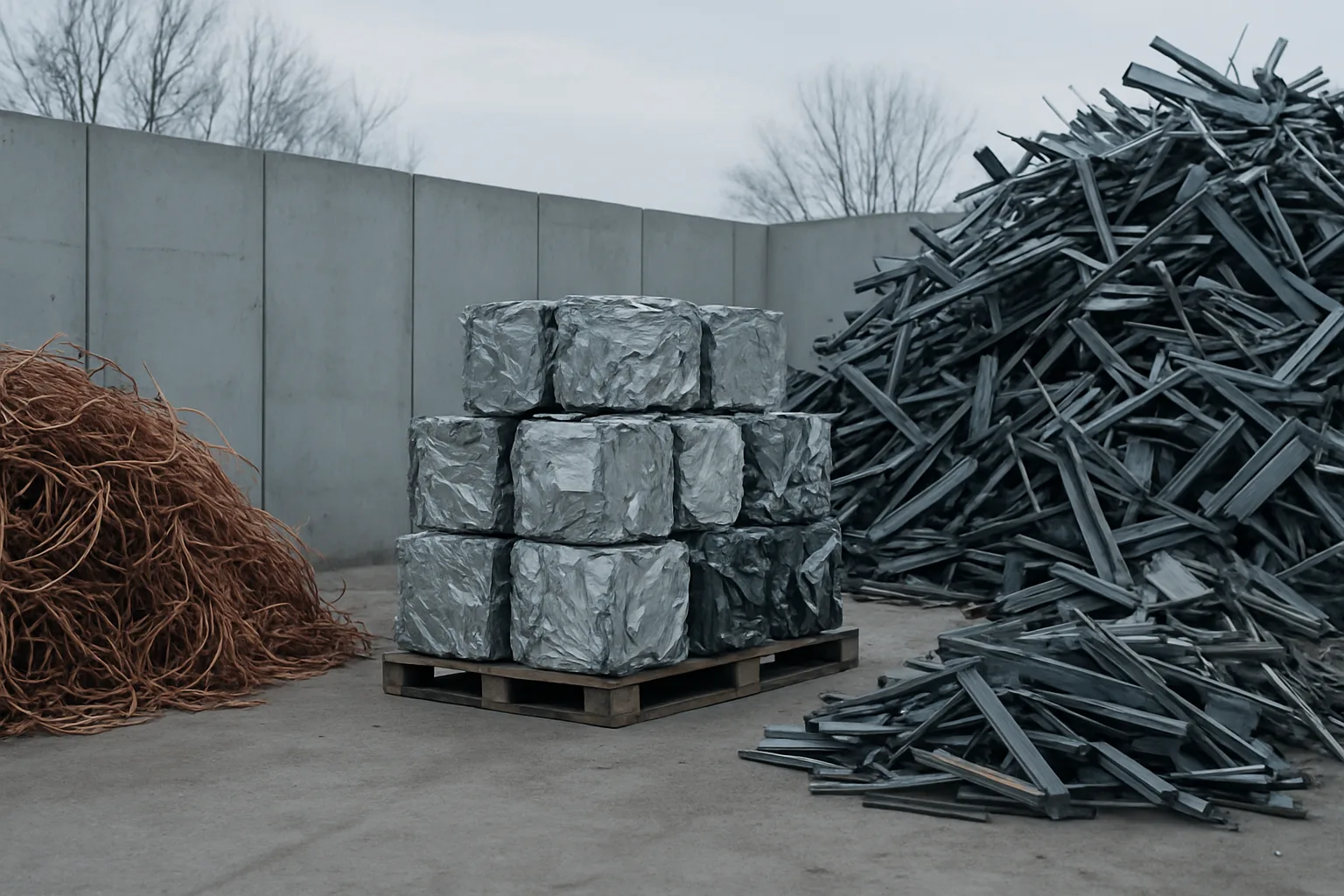
Ferrous vs. Non-Ferrous Scrap Metal: What Every Canadian Seller Needs to Know
Most people think scrap metal is scrap metal. Toss it in a bin, collect a cheque, done. But that assumption is costing sellers real money — especially when it comes to high-value materials like copper. Understanding the difference between ferrous and non-ferrous metals is the single most practical thing you can do before your next pickup or drop-off. In Hamilton and across Ontario, that knowledge can be the difference between an average payout and a genuinely competitive one.
This isn't a metallurgy lecture. It's a practical breakdown of what matters at the yard — and how to make sure you're getting fair value for what you're selling.
What Are Ferrous Metals — and Why Do They Pay Less?
Ferrous metals contain iron. Steel, cast iron, wrought iron — if a magnet sticks to it, it's almost certainly ferrous. These materials are the backbone of construction, manufacturing, and automotive scrap. They're also among the most abundant recyclable materials in circulation, which directly affects pricing.
Because ferrous scrap is plentiful and the processing infrastructure is mature, prices per pound (or per tonne) tend to be lower compared to non-ferrous metals. That doesn't mean ferrous loads aren't worth selling — a full load of structural steel or mixed iron still adds up quickly. But don't expect the same per-pound return you'd get from copper wire or aluminum extrusion.
Common ferrous metals include:
- Structural steel — beams, pipes, rebar
- Cast iron — engine blocks, radiators, old cookware
- Sheet metal — auto body panels, HVAC ducting
- Tin-coated steel — cans, containers
One important note: contamination matters. Ferrous loads mixed with rubber, plastic, or non-metal components can be downgraded at the yard. Separating your materials before you arrive — or before a pickup — protects your payout.
Non-Ferrous Metals: Where the Real Value Lives
Non-ferrous metals don't contain iron. They resist corrosion, conduct electricity, and carry properties that make them essential in electronics, plumbing, aerospace, and automotive applications. All of that means higher demand — and higher prices per pound at the scrap yard.
For sellers in Hamilton and the broader Ontario market, non-ferrous loads are where you want to pay close attention. Copper scrap prices in Hamilton fluctuate based on global commodity markets, but copper consistently sits near the top of the price-per-pound chart for common scrap materials. Aluminum, brass, stainless steel (technically iron-free stainless alloys), lead, and zinc all fall into this category as well.
Key non-ferrous metals and their common sources:
- Copper — electrical wire, plumbing pipe, motors, transformers, bus bars
- Aluminum — window frames, extrusions, cast wheels, gutters, beverage cans
- Brass — fittings, valves, fixtures, shell casings
- Stainless steel — kitchen equipment, medical instruments, tanks
- Lead — old pipe, wheel weights, battery plates
- Zinc — die-cast parts, galvanized coatings
Copper deserves its own call-out. It's one of the most traded industrial metals in the world, and scrap metal prices in Hamilton for copper can shift meaningfully week over week based on LME (London Metal Exchange) movements. That's why timing, documentation, and working with a transparent platform matters — you want to know you're getting a real market rate, not whatever a single buyer decides to offer that morning.
Why the Ferrous/Non-Ferrous Distinction Matters for Price Discovery
Here's where sellers consistently leave money on the table. Many yards lump materials together, especially if a load arrives unsorted. When that happens, your high-grade copper or aluminum gets averaged into a mixed-metal price — a number that benefits the buyer, not you.
Proper sorting before a sale does two things. First, it allows buyers to bid with confidence because they know exactly what they're purchasing. Second, it unlocks grade-specific pricing — and grade-specific pricing is almost always better than mixed pricing. This is a core reason why documented, well-categorized loads perform better in competitive auction environments.
Platforms like Canada's B2B scrap recycling marketplace SMASH are built on exactly this principle. When you list a load with photo documentation, proper material grades, and accurate weight estimates, vetted buyers can compete against each other on real information — not guesswork. That competition is what drives price discovery. More buyers seeing a clean, documented load of #1 bare bright copper means a stronger offer. That's not marketing language — it's just how auctions work.
For businesses handling significant non-ferrous volumes, whether it's an HVAC contractor pulling out old copper lines, a demolition crew sorting aluminum framing, or an auto recycler processing cores — the difference between one phone call to one buyer and a properly run competitive process can be substantial. You can sell your scrap metal in Canada on GetMyScrap and see firsthand how a transparent process changes the conversation.
Copper Scrap Grades: Not All Copper Is the Same
Since copper is one of the most valuable non-ferrous metals you're likely to encounter — and since copper scrap prices in Hamilton are among the most searched terms for Ontario sellers — it's worth breaking down grades specifically.
Copper scrap is graded based on purity, form, and contamination level. The grades directly determine the price per pound you'll receive. Here's a working overview:
- #1 Bare Bright Copper — Uncoated, unalloyed copper wire, clean and shiny. The highest grade. Expect the best per-pound rate.
- #1 Copper — Uncoated copper pipe and solids, may have minor oxidation. Slightly below bare bright pricing.
- #2 Copper — Coated or painted copper, mixed pipe, fittings with minor solder. Meaningful price drop from #1.
- Insulated Copper Wire — Priced based on estimated copper content percentage after stripping. Heavily insulated wire recovers a fraction of bare wire pricing.
- Copper Transformers / Motors — Priced as a unit or by copper content estimate. Commonly found in electrical and industrial scrap.
The takeaway? Strip your wire when it makes sense. Clean your fittings. Know your grade before you walk in the door — or before you list a load. Buyers pay more when they don't have to guess what they're getting. This is as true in Hamilton as it is anywhere else in Ontario or across Canada.
Hamilton's Scrap Market and Why Location Matters
Hamilton has a well-established industrial heritage — steel production, manufacturing, and heavy industry have shaped the city's economy for generations. That means there's real scrap volume moving through this market, and there are real buyers paying attention to it.
The flip side is that a market with established players and long-standing relationships can sometimes default to comfortable pricing rather than competitive pricing. If you've been selling to the same yard for years without checking the broader market, you may be leaving money behind — not because anyone is acting in bad faith, but because that's what happens when there's no competition in the room.
Local context matters when you're looking at best scrap metal prices in Ontario. Hamilton sellers have access to multiple yards, but access to buyers beyond the immediate geography is where the leverage increases. A B2B scrap metal marketplace approach — where verified buyers from across the region and beyond can bid on documented loads — changes that dynamic entirely. You're no longer limited to whoever picks up the phone that day.
If you're handling ferrous volumes coming out of demolition or manufacturing, or non-ferrous loads from electrical, plumbing, or auto work, the Hamilton scrap metal services available through GetMyScrap connect you to a process designed around fair market pricing — not a single buyer's daily offer.
How to Maximize Your Scrap Metal Payout: Practical Steps
Whether you're selling a one-time load or moving material on a recurring basis, these habits will consistently improve your outcomes:
- Sort ferrous from non-ferrous before anything else. Use a magnet — it's that simple. Steel and iron on one side, everything else on the other.
- Grade your non-ferrous further. Separate copper from aluminum from brass. Within copper, strip what you can and identify your grades.
- Document your load. Photos, weights where possible, and a clear description of what you have. This isn't extra work — it's the difference between a confident bid and a lowball guess.
- Don't accept the first number without context. Check what the market is doing. Prices fluctuate daily. Disclaimer: scrap metal prices change frequently based on global commodity markets — always verify current rates before selling.
- Use competitive platforms. SMASH connects vetted buyers to documented loads. That competition is what makes price discovery real.
- Track your loads over time. If you're generating scrap regularly, pattern recognition helps you identify the best timing windows and the best-performing material types.
If you want to get a fair price for your scrap today, the process starts with knowing what you have and presenting it clearly. GetMyScrap and SMASH together give sellers the tools and the buyer network to do exactly that.
Whether you're clearing out a property, winding down a job site, or running a yard yourself, scrap metal recycling in Canada works best when sellers come in prepared. Explore Canadian scrap metal guides on the GetMyScrap blog to go deeper on material types, pricing factors, and market timing.
Get a fair price for your scrap metal in Canada — if you're ready to move material and want a process built around real competition and real transparency, request a pickup at getmyscrap.ca.
Frequently Asked Questions
Q: What's the quickest way to tell if a metal is ferrous or non-ferrous?
Use a magnet. Ferrous metals like steel and iron will attract it. Non-ferrous metals like copper, aluminum, and brass will not. It's the fastest sorting tool you have and costs nothing.
Q: What are copper scrap prices in Hamilton right now?
Copper scrap prices in Hamilton move with global commodity markets, particularly the London Metal Exchange (LME). Prices vary by grade — #1 bare bright copper will command a higher per-pound rate than insulated wire or #2 copper. Always check current rates before selling, as prices can shift week to week. Disclaimer: prices fluctuate — verify current rates at the time of your sale.
Q: Does it really matter if I sort my scrap before selling?
Yes — significantly. Unsorted loads often get priced as mixed or low-grade material, which benefits the buyer. Sorting and grading your scrap, especially separating high-value non-ferrous metals like copper, consistently results in better price discovery. Documented, sorted loads attract more confident bids from buyers.
Q: Is there a B2B scrap metal marketplace that serves Hamilton and Ontario sellers?
SMASH operates as a B2B scrap recycling marketplace serving yards and sellers across North America, including Hamilton and Ontario. It connects sellers with vetted buyers through a competitive auction format, with no subscription fees. You can also use GetMyScrap for local pickup and selling services in the Hamilton area.
Q: How do scrap metal prices in Hamilton compare to the rest of Ontario?
Hamilton sits in a competitive market given its industrial history, but individual yard prices can vary. The best way to benchmark Hamilton scrap metal prices is to use a platform that creates real competition among multiple buyers — rather than relying on a single yard's posted rate. Regional pricing tends to converge when buyers have to compete openly.
Stay current on scrap metal market trends and industry news — follow SMASH on LinkedIn for regular updates on the North American scrap market.