Global supply chain disruptions continue reshaping scrap metal markets across Canada in 2026, creating both challenges and opportunities for sellers from Saint John to Vancouver. Understanding these market forces helps you maximize returns when you sell scrap metal Saint John businesses and residents generate daily.
Industrial demand shifts, technological advances in recycling, and evolving trade relationships drive pricing volatility that directly impacts your scrap metal value. Smart sellers track these trends to time their sales strategically, especially in Atlantic Canada's competitive marketplace.
Infrastructure Investment Drives Strong Demand for Scrap Steel
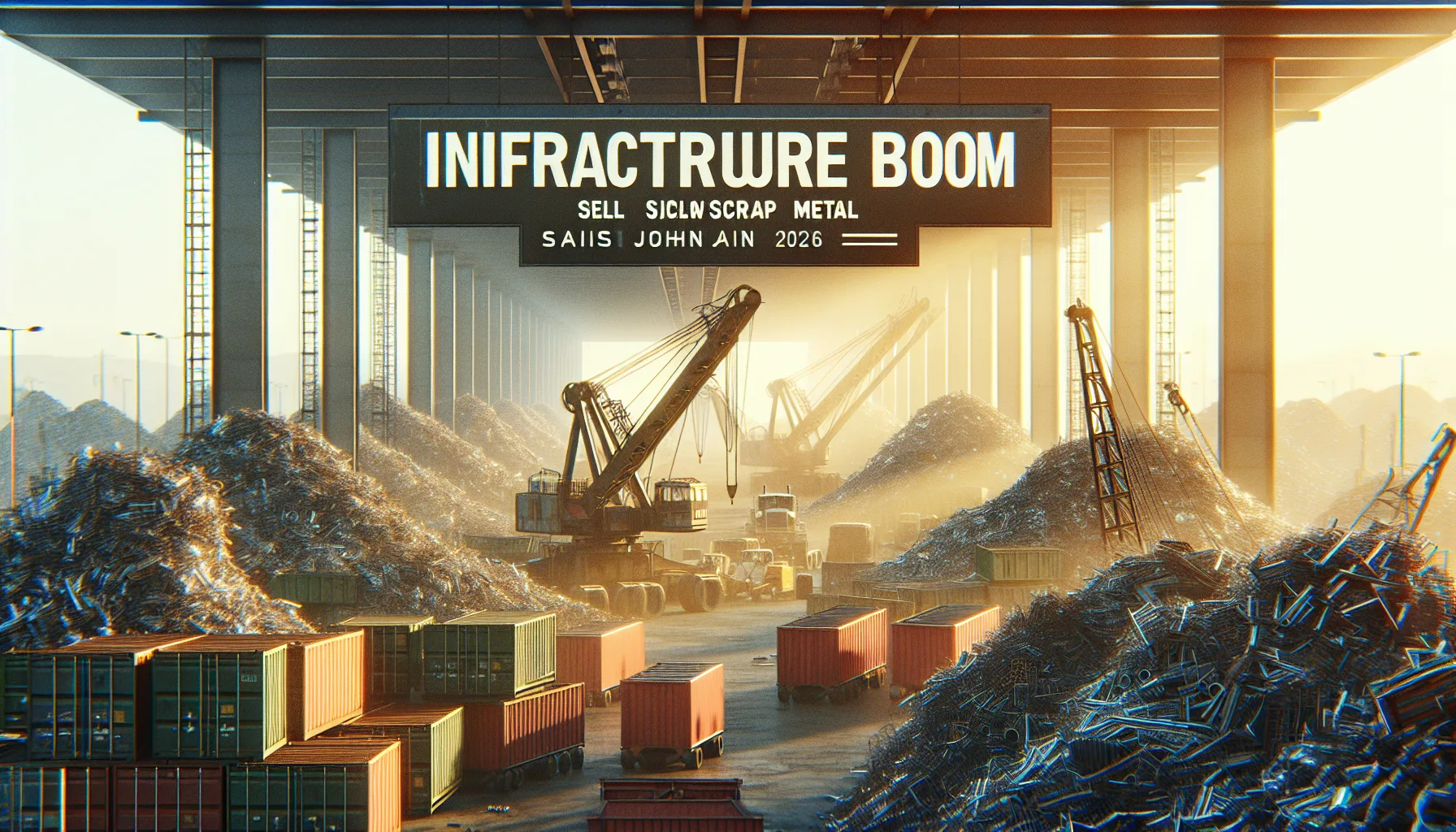
Canada's massive infrastructure renewal projects fuel unprecedented demand for recycled steel in 2026. Federal and provincial governments committed over $180 billion to transportation, energy, and municipal infrastructure upgrades through 2030. This investment surge creates consistent buyers for scrap steel across the country.
Construction projects in New Brunswick, including highway expansions and bridge retrofits, require millions of tons of recycled steel. Local steel mills prioritize domestic scrap sources to reduce transportation costs and ensure reliable supply chains. This proximity advantage benefits sellers throughout the Maritime provinces.
Steel recycling facilities report capacity utilization above 85% province-wide. High demand translates to competitive pricing for quality scrap steel, making it an excellent time to clear accumulated materials from construction projects or industrial operations. Sell your scrap metal in Canada on GetMyScrap to connect with verified buyers paying current market rates.
Automotive steel recycling represents another growth segment. As electric vehicle adoption accelerates, traditional automotive recyclers process increased volumes of combustion engine vehicles. This transition creates steady demand for automotive scrap while generating valuable catalytic converters and aluminum components.
Aluminum Scrap Price Today Reflects Global Manufacturing Recovery
Manufacturing recovery drives strong aluminum scrap price today across North American markets. Aerospace, automotive, and packaging industries increase production to meet pent-up consumer demand, creating robust appetite for recycled aluminum.
Canadian aluminum producers benefit from abundant hydroelectric power, making domestic recycling increasingly cost-effective compared to imports. Primary aluminum smelting requires 95% more energy than recycling, positioning scrap aluminum as the preferred feedstock for environmentally conscious manufacturers.
Beverage can recycling remains the premium aluminum market segment. Clean, sorted aluminum cans consistently command top prices due to their high purity and immediate reusability. Collection programs in Saint John and surrounding communities report strong participation rates, creating steady supply for regional processors.
Industrial aluminum scrap varies significantly by grade and contamination level. Clean extrusions and sheet aluminum fetch premium prices, while mixed or contaminated materials require additional processing. Sorting aluminum by grade before selling maximizes returns and attracts more buyer interest.
Copper Market Volatility Creates Strategic Selling Opportunities
Copper prices experience significant volatility in 2026 as renewable energy infrastructure deployment accelerates globally. Electric vehicle charging networks, wind farms, and solar installations consume massive quantities of copper, driving both demand and price fluctuations.
Electrical contractors and renovation projects generate substantial copper scrap throughout Atlantic Canada. Older buildings containing legacy wiring systems provide high-grade copper when properly removed and sorted. Professional removal ensures maximum value while maintaining electrical safety standards.
Copper theft prevention measures create legitimate selling opportunities for verified scrap sources. Licensed scrap yards require documentation and seller identification, protecting honest sellers while ensuring fair market access. Get a fair price for your scrap today through verified buyer networks that follow all regulatory requirements.
Industrial copper recycling includes transformers, motors, and telecommunications equipment. These sources often contain high copper content but require specialized handling due to contamination concerns. Professional buyers assess materials accurately and provide fair pricing based on recoverable copper content.
Technology Integration Transforms Scrap Metal Pricing Transparency
Digital platforms revolutionize how sellers access current scrap metal prices today across Canadian markets. Real-time pricing feeds, mobile apps, and online auction systems provide unprecedented transparency in scrap metal transactions.
Platforms like SMASH eliminate traditional pricing opacity by connecting sellers directly with competing buyers. This competition drives prices higher while ensuring sellers receive fair market value for their materials. Multiple bids replace single-buyer negotiations, maximizing returns for scrap metal sellers.
Electronic weighing systems and automated grading reduce human error in scrap evaluation. Advanced sorting technologies identify material composition accurately, ensuring sellers receive proper payment for mixed loads. These improvements particularly benefit small-volume sellers who previously faced pricing disadvantages.
Mobile applications enable instant price checking and pickup scheduling from job sites or storage locations. Contractors and industrial operators access current market rates without leaving their work locations, streamlining the selling process significantly. Explore Canadian scrap metal guides to learn more about digital selling platforms.
Regulatory Changes Impact Scrap Metal Market Dynamics
Environmental regulations strengthen across Canada in 2026, creating both challenges and opportunities for scrap metal sellers. Extended producer responsibility programs require manufacturers to use increasing percentages of recycled content, driving sustained demand for quality scrap materials.
Carbon pricing mechanisms favor recycling over primary production due to lower energy requirements and reduced greenhouse gas emissions. This regulatory environment supports premium pricing for clean, well-sorted scrap materials that reduce processing costs for buyers.
Provincial regulations in New Brunswick align with federal sustainability goals while supporting local economic development. Streamlined permitting for recycling facilities encourages investment in processing capacity, creating additional buyer competition for regional scrap materials.
Export restrictions on certain scrap grades prioritize domestic recycling capacity. While this limits some international market access, it ensures stable demand from Canadian processors and supports local employment in recycling industries.
Strategic Timing for Maximum Scrap Metal Returns
Seasonal patterns significantly impact scrap metal pricing throughout Canada. Construction activity peaks during warmer months, increasing demand for steel and aluminum recycling. Planning sales around these cycles maximizes returns for accumulated materials.
Economic indicators provide valuable timing signals for major scrap sales. Manufacturing indexes, construction permits, and commodity futures markets offer insights into demand trends. Monitoring these indicators helps sellers time large-volume transactions strategically.
Currency fluctuations affect scrap metal exports and pricing dynamics. A stronger Canadian dollar makes exports less competitive but increases domestic purchasing power for recycled materials. Understanding these relationships improves selling decisions for significant volumes.
Supply chain disruptions create temporary pricing spikes when buyers face material shortages. Maintaining relationships with multiple buyers through platforms like SMASH ensures access to premium pricing during these market events. Compare scrap metal bids from Canadian buyers to maximize returns during favorable market conditions.
Inventory management becomes crucial as storage costs offset holding gains from price appreciation. Balancing storage expenses against potential price increases requires careful analysis of market trends and local demand patterns in regions like Saint John and broader New Brunswick markets.
Frequently Asked Questions
Q: What factors most influence scrap metal prices in Saint John?
Local construction activity, shipping costs to processing facilities, and proximity to steel mills significantly impact Saint John scrap metal prices. Regional demand from infrastructure projects and manufacturing facilities also creates pricing variations compared to other Canadian markets.
Q: How often do aluminum scrap prices change in Canada?
Aluminum scrap prices fluctuate daily based on London Metal Exchange futures, North American manufacturing demand, and currency exchange rates. Most Canadian buyers update pricing weekly, though significant market events can trigger immediate adjustments.
Q: When is the best time to sell copper scrap for maximum returns?
Copper prices typically peak during spring and fall construction seasons when electrical contractors are most active. Monitoring renewable energy project announcements and infrastructure spending can also indicate favorable selling periods.
Q: What documentation do I need to sell scrap metal legally in New Brunswick?
New Brunswick requires government-issued photo identification and proof of material ownership for scrap metal sales. Business sellers need additional documentation including business registration and, for certain materials, removal permits or invoices.
Q: How do digital platforms improve scrap metal selling compared to traditional buyers?
Digital platforms provide transparent pricing, competitive bidding from multiple buyers, and convenient scheduling. They eliminate guesswork in pricing while ensuring sellers receive current market rates rather than outdated quotes from single buyers.
Market trends in 2026 favor informed sellers who understand demand drivers, timing strategies, and platform advantages. Whether you're clearing construction materials, upgrading electrical systems, or processing industrial scrap, current conditions support strong returns for quality materials. Get a fair price for your scrap metal in Canada — request a pickup at getmyscrap.ca and access competitive buyers throughout Atlantic Canada and beyond.
Stay connected with industry developments and market insights by following SMASH on LinkedIn at https://www.linkedin.com/company/scrap-metal-auction-sales-hub for the latest updates on Canadian scrap metal trends and pricing opportunities.