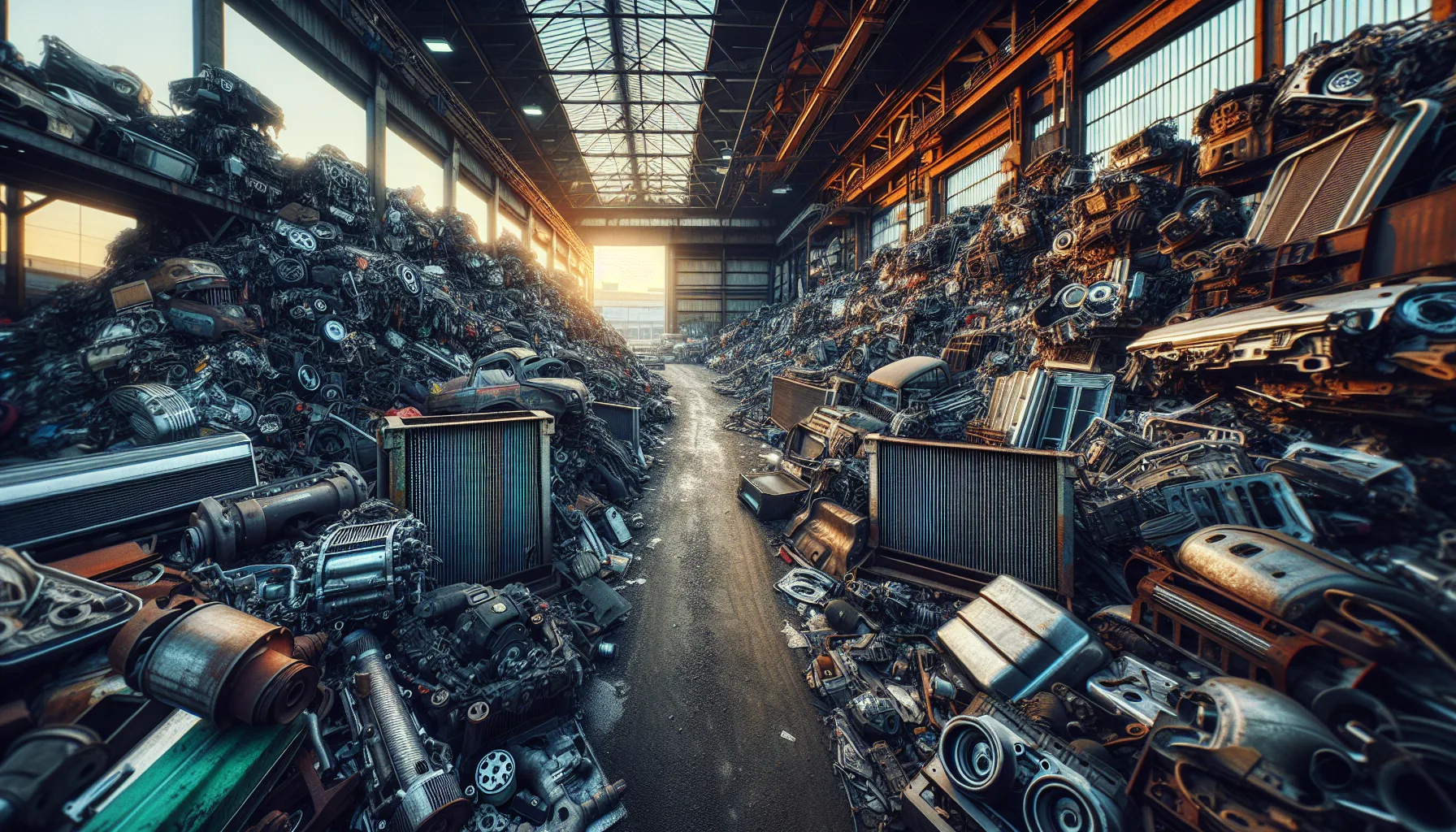
How Auto Parts Generate Valuable Scrap Metal Through Recycling
Auto parts recycling represents one of the most lucrative opportunities in Canada's scrap metal industry. Radiators, alternators, and other vehicle components contain high-value metals that fetch premium prices through scrap metal auction platforms. Understanding how these parts break down into recyclable materials helps Canadian sellers maximize their returns in 2026's competitive market.
Vehicle dismantling facilities across Ontario process thousands of cars annually, extracting valuable metals from components most people overlook. The process transforms what appears to be automotive waste into profitable scrap metal commodities. Windsor's proximity to Detroit's automotive industry creates unique opportunities for local scrap metal sellers to access high-quality auto parts.
Modern recycling techniques separate different metal types efficiently, ensuring each material commands its appropriate market price. Copper from radiators, aluminum from engine blocks, and steel from alternator housings all follow distinct processing paths before reaching buyers.
Breaking Down Radiator Components for Maximum Scrap Value
Radiators contain some of the highest-value metals in any vehicle. The copper tubes and aluminum fins separate into distinct scrap categories, each commanding different prices in today's market. Processing facilities use specialized equipment to strip away plastic components and isolate pure metal content.
Copper radiators typically yield 70-80% pure copper content after processing. This high concentration makes them particularly valuable for sellers using platforms like SMASH Recycling — where verified buyers bid on your metal. The remaining aluminum components also carry significant value, especially when steel scrap price today remains volatile.
The separation process involves several steps:
- Draining all fluids completely
- Removing plastic end tanks and mounting brackets
- Separating copper tubes from aluminum fins
- Sorting materials by grade and purity
Professional recyclers in Windsor often process radiators immediately upon arrival to prevent contamination. Clean separation ensures maximum value when materials reach auction platforms where buyers compete for quality scrap metal.
Alternator Recycling: Steel, Copper, and Aluminum Recovery
Alternators contain multiple valuable metals packaged in a compact housing. The steel casing, copper windings, and aluminum components each follow different processing streams. Understanding this breakdown helps sellers appreciate why alternators command premium prices at scrap yards.
The copper windings inside alternators represent the highest-value component. These windings contain nearly pure copper wire, often weighing 2-4 pounds per unit. Experienced processors strip these windings carefully to maintain copper grade integrity. The steel housing typically weighs 8-12 pounds and processes as clean steel scrap.
Aluminum components in modern alternators include heat sinks and some internal housings. These parts separate easily during processing and add significant value to the overall unit. SMASH scrap buyers particularly value clean alternator components because of their consistent metal content.
Processing facilities use magnetic separation to isolate steel components first. Manual stripping then recovers copper windings, while aluminum parts undergo separate sorting. This methodical approach ensures each metal type meets buyer specifications for quality and purity.
Market Demand and Pricing Trends for Automotive Scrap Metals
Automotive scrap metal prices fluctuate based on global commodity markets and local demand. Copper from radiators and alternators typically commands the highest prices, followed by clean aluminum and prepared steel. Understanding these market dynamics helps sellers time their sales effectively.
Current market conditions in 2026 show strong demand for automotive copper scrap. Manufacturing recovery drives consistent pricing, while infrastructure projects boost steel demand across Ontario. Best scrap metal prices Ontario facilities often compete aggressively for high-grade automotive materials.
Regional factors influence pricing significantly. Windsor's automotive industry connection creates steady demand for recycled metals, supporting stable pricing. Transportation costs to processing facilities remain minimal due to local infrastructure, benefiting sellers throughout southwestern Ontario.
Auction platforms like SMASH connect sellers directly with multiple buyers, driving competitive pricing. This system ensures sellers receive fair market value rather than accepting posted yard prices. The transparency benefits both parties by establishing true market rates for different metal grades.
Maximizing Returns Through Professional Processing Services
Professional processing maximizes value from automotive scrap metal by ensuring proper separation and grading. DIY processing often results in contaminated materials that command lower prices. Working with experienced processors protects seller interests while optimizing returns.
Quality processing involves several critical steps. Proper fluid drainage prevents contamination that reduces metal value. Clean separation maintains grade integrity that buyers demand. Accurate sorting ensures each material type reaches appropriate markets.
Many sellers in Windsor choose to sell your scrap metal in Canada on GetMyScrap because professional services handle all processing requirements. This approach eliminates guesswork while ensuring compliance with environmental regulations governing automotive recycling.
Processing costs typically represent 10-20% of final value, but the quality improvement often generates 30-40% higher prices. This math strongly favors professional processing for valuable automotive components like radiators and alternators.
Environmental Benefits of Automotive Metal Recycling
Automotive metal recycling reduces environmental impact while creating economic value. Processing one ton of recycled copper requires 85% less energy than producing new copper from ore. Similar savings apply to aluminum and steel recycling processes.
Proper automotive recycling prevents hazardous materials from entering landfills. Fluids drain safely, while metals process cleanly without environmental contamination. This responsible approach protects Ontario's environmental resources while generating economic benefits.
The recycling industry creates jobs throughout the supply chain. Collection, processing, and distribution employ thousands across Canada. Local facilities in areas like Windsor contribute to community economic development while providing essential services.
Buyers increasingly prioritize sustainably sourced recycled metals. This trend drives premium pricing for properly processed automotive scrap, benefiting sellers who choose responsible recycling partners. Environmental stewardship and profitability align perfectly in modern scrap metal markets.
Whether you're clearing out automotive inventory or processing end-of-life vehicles, understanding how radiators and alternators recycle into valuable metals helps maximize your returns. Professional processing through platforms like get a fair price for your scrap today ensures you capture full market value while supporting sustainable recycling practices. The combination of strong market demand and professional processing makes automotive scrap metal recycling a profitable venture across Ontario's diverse markets.
Note: Scrap metal prices fluctuate daily based on market conditions. Check current rates before making selling decisions.
Frequently Asked Questions
Q: How much can I expect to earn from recycling car radiators and alternators?
Radiator values depend on copper content and current market prices, typically ranging from $15-40 per unit. Alternators usually fetch $8-25 each depending on size and metal composition. Using scrap metal auction platforms often yields 15-30% higher returns than standard yard prices.
Q: Do I need to remove fluids before selling automotive parts for scrap?
Yes, draining all fluids is essential before recycling automotive components. Most professional processors require clean, drained parts to prevent contamination and ensure proper metal separation. Many Windsor area services handle this preparation as part of their processing.
Q: Where can I find the best scrap metal prices in Ontario for automotive parts?
Auction platforms like SMASH typically offer competitive pricing through buyer competition. Local scrap yards in Toronto and throughout Ontario also provide options, but comparing multiple buyers ensures optimal returns. Online platforms often provide broader buyer access than single-location yards.
Q: Can I sell catalytic converters online along with other automotive scrap?
Yes, many platforms accept catalytic converters alongside other automotive scrap metals. However, catalytic converters require special handling due to their precious metal content and theft concerns. Verify buyer credentials and follow proper documentation procedures when selling these valuable components.
Q: How do current steel scrap prices affect automotive part recycling values?
Steel prices directly impact alternator housing and other ferrous automotive component values. When steel scrap price today rises, overall automotive scrap values increase proportionally. However, copper and aluminum components maintain separate pricing based on their respective commodity markets.
Ready to turn your automotive scrap into profit? Get a fair price for your scrap metal in Canada — request a pickup at getmyscrap.ca and discover how professional processing maximizes your returns.
For the latest industry insights and market updates, explore Canadian scrap metal guides and follow SMASH on LinkedIn at https://www.linkedin.com/company/scrap-metal-auction-sales-hub for expert analysis of scrap metal market trends.