What Happens to Your Radiator and Alternator After You Scrap a Vehicle?
Most people pulling an old car apart for scrap think about the body steel and maybe the catalytic converter. But the real money is often hiding in the parts you almost threw in the dumpster. Radiators and alternators are loaded with recoverable metal — copper, aluminum, and steel — and understanding how they're processed can help you make smarter decisions about what to sell and where to sell it.
With scrap metal prices today staying active across non-ferrous markets, these components are worth separating out rather than tossing in a mixed load. Here's a straight look at how auto parts like radiators and alternators move from your yard or garage into refined metal — and how platforms like SMASH help connect sellers to buyers who actually compete for that material.
Radiators: More Non-Ferrous Metal Than You Think
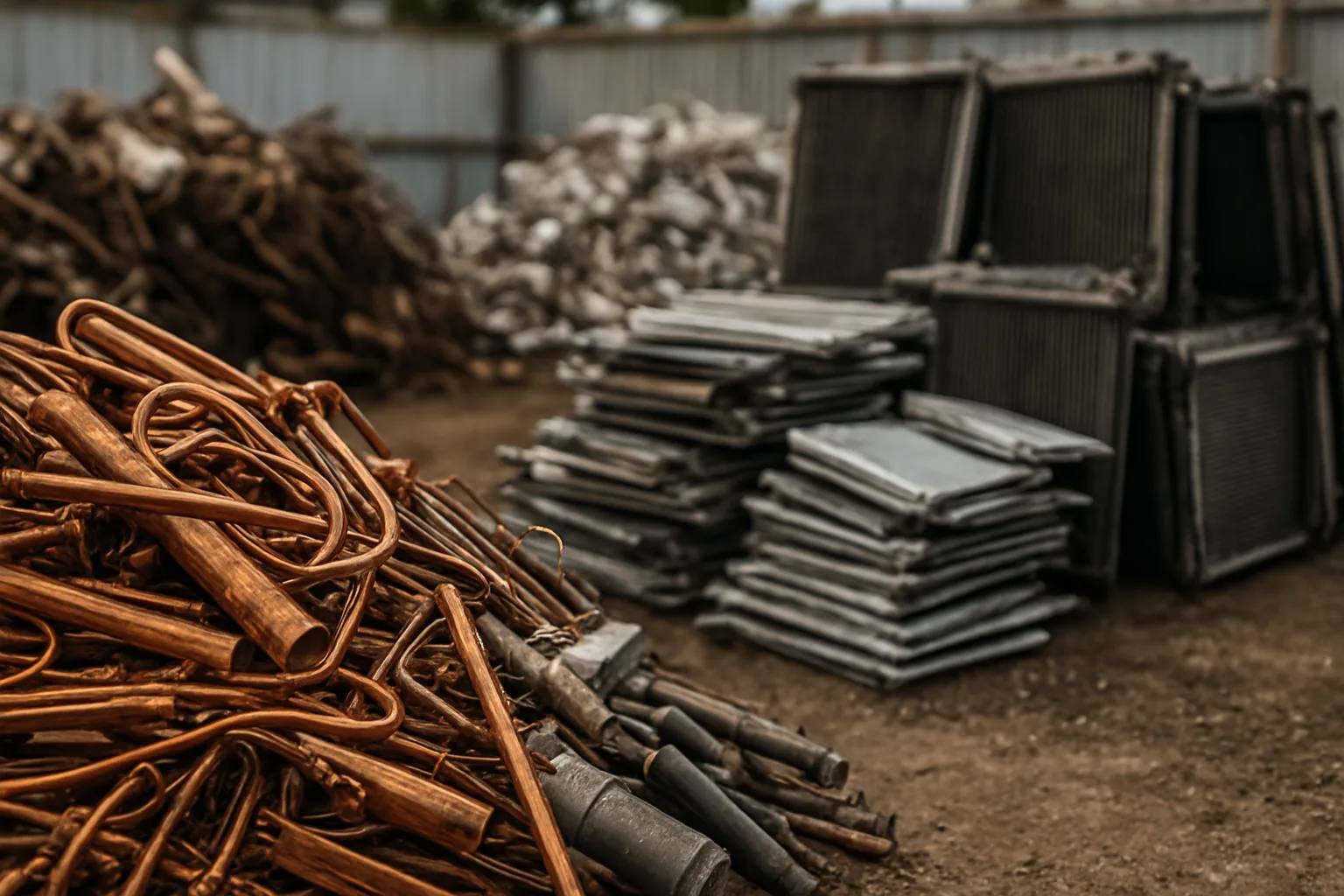
A typical automotive radiator is a composite unit. Older domestic models are built with a brass and copper core — two of the most valuable non-ferrous metals in the scrap market. Newer radiators, especially those from Japanese and European vehicles produced after the mid-1990s, shifted to aluminum and plastic construction. Both have real scrap value, but they're processed differently and priced differently.
Here's how each type breaks down at the recycling level:
- Copper/brass radiators: The core and fins are shredded or mechanically stripped. Copper content is separated from zinc (the brass component) through smelting. Clean copper is a premium metal — consistently one of the stronger performers when you look at scrap metal prices today.
- Aluminum/plastic radiators: The plastic end tanks are removed first, either by hand or mechanical stripping. The remaining aluminum core is shredded and sorted by alloy grade. Aluminum radiators typically yield clean cast or mixed aluminum grades depending on how they're prepared.
- Contamination matters: Radiators that still contain coolant fluid, rubber hoses, or plastic fittings will grade lower. Draining and stripping before delivery gets you a better number at the scale.
If you're in Lethbridge or anywhere else in Alberta pulling parts off fleet vehicles or decommissioned equipment, radiators are worth pulling separately rather than sending them in with the body steel. A clean copper/brass radiator can be worth several dollars per pound above what you'd recover on mixed scrap.
Alternators: Steel Shell, Copper Wound Inside
Alternators look like simple motor components from the outside, but they contain a copper-wound stator that gives them real non-ferrous value. The outer shell is steel. The internal windings are copper wire. The rotor may contain additional copper or aluminum depending on the unit's design and age.
How alternators are recycled depends on volume and equipment:
- Whole unit: Smaller recyclers accept alternators whole and price them as "electric motors" — a blended rate that accounts for mixed steel and copper content. It's the easiest path but not the most profitable.
- Stripped/cracked: Larger processors crack the housing to extract copper windings separately. Clean copper wire grades out significantly higher than mixed motor scrap. If you have the time and tools, stripping pays.
- Rotor and stator separation: Industrial-scale processors take it further, sorting copper, aluminum, and steel into individual streams. At scale, this separation is done mechanically with eddy current separators and magnetic sorting lines.
For the average seller in Lethbridge pulling parts off a scrapped fleet vehicle, the practical choice is usually selling alternators whole unless you have volume. If you're moving a pallet of 20 or 30 units, it's worth asking your buyer whether they grade stripped versus whole — the spread can add up.
Scrap Metal Prices Today: What These Parts Are Actually Worth
Prices shift with global commodity markets, so there's no fixed number to publish here. But knowing the metal breakdown helps you benchmark what you should expect.
General material composition to keep in mind:
- Copper/brass radiators: typically 60–70% recoverable non-ferrous metal by weight
- Aluminum radiators: majority aluminum, lower value per pound but consistent demand
- Alternators (whole, unstripped): priced as mixed electric motors — lower rate per pound but zero prep time
- Alternators (stripped copper): copper wire grades command a premium over motor scrap
The honest reality is that a single buyer quoting you a flat price on a mixed load of auto parts has no reason to offer you the best number. They don't have to. That's where competition changes the math. Platforms like SMASH bring vetted buyers to your load — instead of one phone call, one quote, and a take-it-or-leave-it decision, you get actual market feedback. More buyers means better price discovery. That's not a pitch, that's how markets work.
Disclaimer: Scrap metal prices fluctuate daily based on commodity markets, grade, and regional demand. Always check current rates before making a sale decision.
How SMASH Fits Into the Auto Parts Recycling Pipeline
Whether you're a recycling yard in Alberta processing end-of-life vehicles or an individual seller with a truck bed full of radiators and alternators, the problem is usually the same: you don't know if you're getting a fair price because you only talked to one buyer.
Canada's B2B scrap recycling marketplace operates on a competitive auction model. Sellers document their loads — photos, weights, grades, even VIN lookups for vehicle-related lots — and vetted buyers compete for that material. No guessing. No one buyer controlling your number. The inventory documentation tools on SMASH mean buyers can bid with confidence, which typically drives more competitive offers on well-documented loads.
For auto parts specifically, documentation matters. A load of radiators photographed, weighed, and graded (copper/brass versus aluminum, coolant-free versus as-removed) will attract more serious bids than a vague description. Buyers price in uncertainty. Take the uncertainty away and the price tends to reflect it. If you want to sell your scrap metal in Canada on GetMyScrap, the process starts with knowing what you have and documenting it properly.
There are no subscription fees on SMASH. The model is straightforward — SMASH only wins when the seller does.
Preparing Auto Parts for Scrap: Practical Steps for Lethbridge Sellers
Preparation directly affects your payout. This isn't complicated, but sellers who skip these steps leave money on the table at the scale.
Before you bring in radiators:
- Drain all coolant — most buyers won't accept fluid-filled units or will dock the price
- Remove rubber hoses and plastic fittings if you want the best copper/aluminum grade
- Sort copper/brass units separately from aluminum units — they price differently
- Keep them off the ground and away from soil contamination
Before you bring in alternators:
- Decide whether to sell whole or stripped based on your volume and time
- If stripping, keep copper windings in a separate container — don't mix with other wire grades
- Remove attached brackets or steel hardware if pricing as motor scrap
- Document quantity and weight if you're moving a larger lot
Lethbridge has active scrap buyers, and scrap metal recycling in Alberta runs year-round across auto recyclers, industrial yards, and commodity buyers. Knowing how to prep your material before you show up puts you in a stronger position at the scale window. If you're new to this, explore Canadian scrap metal guides for more practical breakdowns on how different materials are graded and priced.
For sellers in Lethbridge specifically, connecting with the right buyer for auto parts material is worth the extra step. Check out Lethbridge scrap metal services to understand what's available locally and how to get your material in front of competitive buyers.
Don't Leave Recovery Value Behind
Radiators and alternators aren't afterthoughts — they're among the most metal-dense components on any vehicle. The copper, aluminum, and steel inside those parts has real market value, and how you sell it matters as much as what you're selling.
The old approach — call one buyer, accept one quote, move the load — doesn't serve sellers well when commodity prices are active and buyers are competing for quality material. Competitive platforms, proper documentation, and clean prepared loads are how you get a fair price for your scrap today. That's true whether you're scrapping one vehicle or managing a commercial recycling operation across Alberta.
Get a fair price for your scrap metal in Canada — request a pickup and connect with active buyers at getmyscrap.ca.
Frequently Asked Questions
Q: What are scrap metal prices today for radiators and alternators in Lethbridge?
Prices shift daily based on commodity markets and metal grade. Copper/brass radiators command a higher per-pound rate than aluminum units. Alternators price differently depending on whether they're sold whole or stripped. Check with local Lethbridge buyers or use a platform like SMASH for current competitive pricing on your specific material.
Q: Should I sell auto parts as a whole load or separate by metal type?
Separating by metal type almost always gets you a better price. Mixed loads give buyers room to average down. Clean, sorted material — copper/brass radiators separate from aluminum, stripped copper windings separate from whole motors — grades higher and attracts stronger bids from buyers who know exactly what they're buying.
Q: How do I find someone to buy scrap metal near me in Lethbridge?
Local scrap yards in Lethbridge handle most common auto parts materials. For larger loads or higher-value non-ferrous material, a competitive platform like SMASH connects you with vetted buyers across Canada who bid on documented loads — giving you market-rate pricing rather than a single buyer's offer.
Q: Do I need to drain coolant from a radiator before scrapping it?
Yes. Most buyers require radiators to be drained before accepting them. Fluid-contaminated units typically receive a lower grade or may be refused outright. Draining and removing plastic fittings before delivery is straightforward and directly improves your payout.
Q: Is a catalytic converter worth more than a radiator at scrap today?
Generally, yes — catalytic converters contain platinum group metals (PGMs) that make them among the highest-value components on any scrapped vehicle. However, copper/brass radiators are still strong performers in the non-ferrous market. Both are worth separating from a general steel load. For catalytic converter auction options, SMASH handles those transactions through a vetted buyer network as well.
Stay current on scrap metal market movements and industry updates — follow SMASH on LinkedIn for regular insights from the Canadian and North American scrap recycling market.