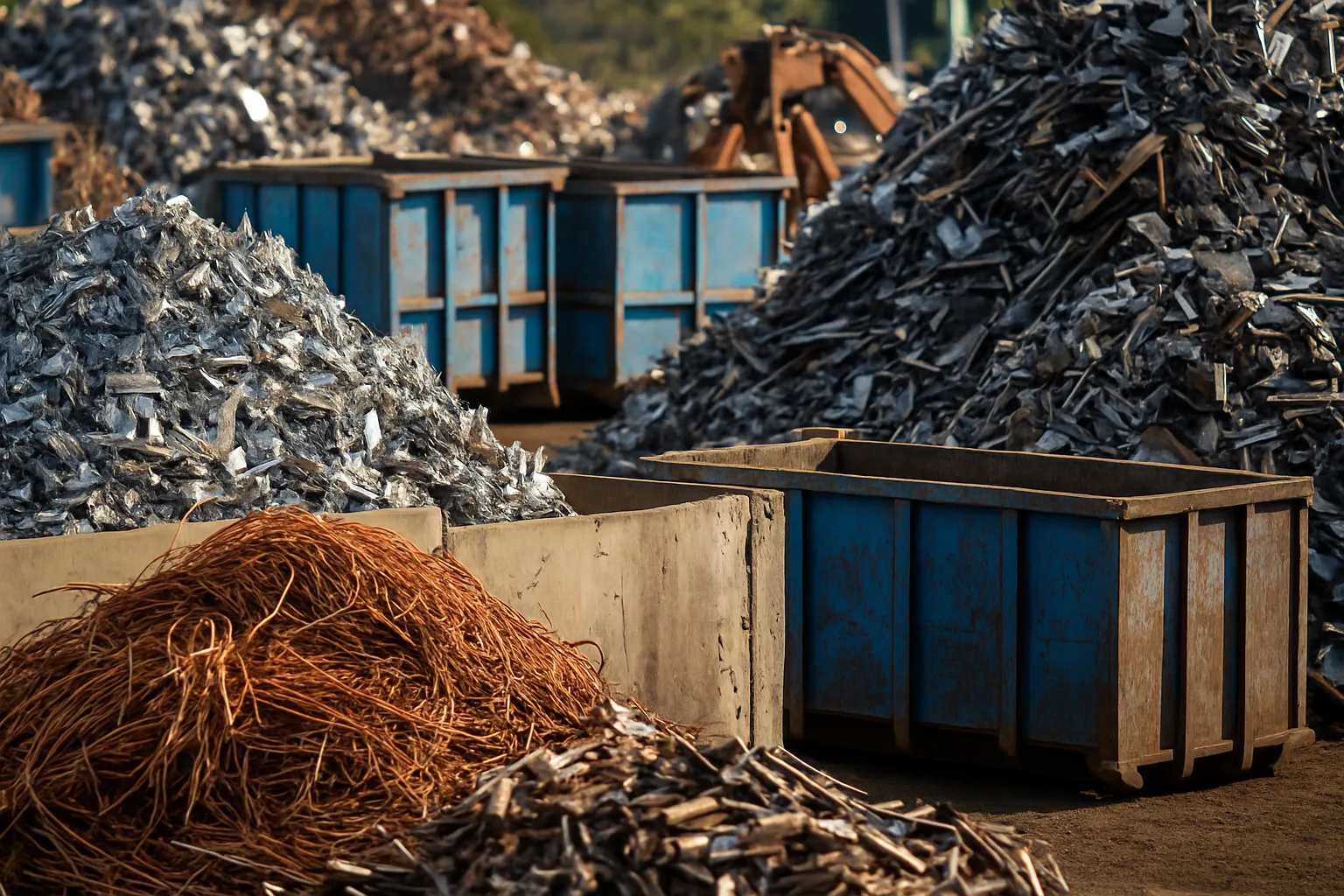
What Recycling Yards Actually Do With Your Scrap Metal (And Why It Changes Your Payout)
Most scrap sellers focus on one number: the price per pound. But that number is only half the story. The other half happens on the scale and the sorting table — and if you don't understand how yards weigh and grade your material, you're flying blind when it comes to copper scrap prices Sydney and what lands in your pocket.
Whether you're clearing out a job site in Cape Breton, offloading end-of-life equipment, or running a recycling operation across Nova Scotia, knowing how grading works is the difference between getting a fair payout and leaving money on the table. This isn't complicated — but it does reward the sellers who pay attention.
How Recycling Yards Weigh Your Scrap Metal
Every yard uses a scale — but not every scale works the same way for every load. Small loads typically go on a floor scale or bench scale. Larger deliveries go over a truck scale (also called a weigh bridge), where the full vehicle is weighed loaded and then empty. The difference is your net weight. It sounds simple, and mostly it is — but the details matter.
Here's where sellers sometimes get surprised:
- Moisture weight: Rain-soaked copper wire or wet aluminum extrusions add weight — but yards often account for this when they grade the material, not necessarily when they weigh it. Some yards will towel-dry or air-dry small items before weighing.
- Attached materials: Steel fittings on copper pipe, plastic insulation on wire, or rubber on aluminum rims all add weight — but they reduce the grade. You're paying for those attachments in the form of a lower price per pound.
- Tare weight: If you haul your scrap in a steel bin or a heavy-duty container, the yard weighs the container separately. You're only paid for the scrap weight, not the container.
For high-value materials like scrap copper or catalytic converters, even small weight discrepancies have a real dollar impact. A few extra pounds of insulation left on wire can shift your grade down significantly and reduce your total payout.
Understanding Scrap Metal Grades — and Why They Drive Copper Scrap Prices in Sydney
Grading is where the real money gets made or lost. Yards don't pay a flat rate for "copper." They pay different rates for different grades of copper — and the difference between grades can be substantial. The same logic applies to aluminum, steel, and catalytic converters.
Here's a simplified breakdown of common copper grades most yards recognize:
- #1 Bare Bright Copper: Clean, uncoated, unalloyed copper wire or bus bar. No insulation, no solder, no paint. This gets the highest price.
- #1 Copper: Clean copper pipe and wire with minor oxidation. Small amounts of solder are acceptable.
- #2 Copper: Copper with heavier oxidation, light coating, or minor contamination. Lower price than #1.
- Insulated Copper Wire: Wire with plastic or rubber insulation still attached. Graded by estimated copper recovery percentage — thick-jacketed wire pays more than thin-jacketed wire.
- Light Copper / Mixed Copper: Sheet copper, thin copper, or copper mixed with other metals. Lowest copper pricing tier.
For scrap metal prices Sydney on aluminum, the same principle applies. Clean, uncoated aluminum extrusion gets a different rate than cast aluminum, painted aluminum, or aluminum mixed with steel. Aluminum recycle value drops fast when there's contamination — even small amounts of steel or plastic can push material into a lower grade tier.
Catalytic converters are graded differently again. Yards use serial numbers or VIN lookups to identify the specific catalyst inside each unit. The precious metal content — platinum, palladium, and rhodium — varies by vehicle make, model, and year. A single converter from a luxury vehicle can be worth several times more than a unit from a compact car. If you're selling cats without any documentation or serial tracking, you're at a serious disadvantage in the negotiation.
How Contamination and Preparation Affect Your Scrap Metal Payout
Preparation is the part most casual sellers skip — and it's one of the most direct ways to increase what you receive for your load. Yards factor contamination into their grade assessment before they quote you a price. If they see mixed loads, dirty material, or insulation that hasn't been stripped, they apply a deduction — either through a lower per-pound rate or through a straight percentage reduction.
Practical steps that improve your grade before you arrive at the yard:
- Strip wire when it's worth it: If you have large volumes of heavy-gauge insulated copper wire, stripping it to bare bright can significantly improve your payout. Thin wire typically isn't worth the labor.
- Separate by metal type: Keep copper separate from aluminum. Keep ferrous separate from non-ferrous. Don't mix stainless steel with regular steel. Mixed loads almost always get graded at the lowest common denominator.
- Remove attachments: Cut steel fittings off copper pipe. Pull rubber valves off aluminum components. Remove circuit boards from copper bus bars where possible.
- Dry your material: If material has been sitting outside, let it dry before loading. Wet scrap adds dead weight and can trigger moisture deductions at the yard.
- Document catalytic converters: Keep your BOLs and packing lists organized. If you're selling multiple units, serial tracking matters for both your records and buyer confidence.
This prep work isn't always necessary for every load — but for high-value non-ferrous material, it pays off consistently. Sellers in Sydney and across Nova Scotia who sort and prep their loads tend to get stronger per-pound rates because they make the yard's job easier and eliminate the uncertainty that drives grading deductions.
Why Competitive Bidding Matters More Than Grading Alone
Here's the part most sellers miss: even if you prepare your load perfectly and nail the grade, you can still get a below-market payout if you're only getting one quote. Single-buyer transactions don't give you price discovery — they give you one person's number, take it or leave it.
This is where platforms like compare scrap metal bids from Canadian buyers become a real advantage. When multiple vetted buyers see the same documented load and compete for it, the price reflects actual market demand rather than one buyer's margin target. Documented inventory with photo evidence and serial tracking gives buyers the confidence to bid higher — because they know exactly what they're buying.
The B2B scrap metal marketplace model works precisely because it creates competition where none existed before. If you've been calling the same buyer for years on scrap copper or scrap aluminum, you may not know what that material is actually worth on the open market. A competitive auction format reveals that number.
If you're trying to sell scrap metal near me and you're weighing options across Nova Scotia, using a platform that brings buyers to you — rather than driving to whoever picks up the phone — is worth understanding. You can sell your scrap metal in Canada on GetMyScrap and access a process built around price transparency and buyer competition, not guesswork.
What SMASH Adds to the Equation for Serious Sellers
For yards and sellers moving meaningful volumes — whether that's regular loads of non-ferrous material, pallets of catalytic converters, or industrial scrap from a renovation or demolition project — the documentation and auction infrastructure matters as much as the metal grade itself.
SMASH is built for exactly this. The platform handles inventory documentation, photo evidence, serial tracking for cats, and auto-invoicing — all of the administrative work that turns a load into a professional transaction. Vetted buyers compete on documented loads. That competition drives better price discovery than a cold call ever will.
SMASH doesn't charge subscription fees. It earns when sellers earn. That alignment matters — it means the platform has a direct incentive to get your load in front of buyers who will pay competitively for it. Whether you're pricing copper scrap prices Sydney or trying to understand what your catalytic converters are worth in today's market, more buyer competition gives you a better baseline.
If you're ready to move a load and want real market pricing, you can get a fair price for your scrap today and see how documented, competitive bids compare to what you've been getting through a single-buyer relationship.
For more guidance on selling scrap across Canada, explore Canadian scrap metal guides covering pricing, preparation, and everything in between.
Getting the Most Out of Every Load You Sell
Weighing and grading aren't mysteries — they're systems. Once you understand how yards assign grades and what deductions they apply, you can prepare your loads to consistently land in higher pricing tiers. Prep your material. Separate by type. Strip wire when the volume justifies it. Document your catalytic converters. Bring your BOLs and packing lists.
And once your load is ready, don't stop at one buyer. Whether you're based in Sydney, somewhere else in Nova Scotia, or anywhere across Canada, the market for quality scrap metal is competitive — but only if you create competition. One call gives you one price. A documented load on a vetted marketplace gives you the market.
Get a fair price for your scrap metal in Canada — request a pickup at getmyscrap.ca and find out what your material is actually worth when real buyers compete for it.
Disclaimer: Scrap metal prices fluctuate based on market conditions, metal grades, and regional demand. The pricing information in this article is general in nature. Always check current rates directly with a buyer or platform before making selling decisions.
Frequently Asked Questions
Q: How do recycling yards determine copper scrap prices in Sydney, Nova Scotia?
Yards assess copper based on grade, weight, and current commodity market pricing. Clean, uncoated copper commands the highest rates, while insulated or contaminated copper receives lower per-pound prices. In Sydney and across Nova Scotia, prices also reflect local buyer competition — which is why getting multiple quotes matters.
Q: What's the difference between #1 and #2 copper when selling scrap metal?
#1 copper is clean, lightly oxidized material with minimal contamination — pipe, wire, or bus bar in good condition. #2 copper has heavier oxidation, light coatings, or small amounts of solder and mixed material. The price gap between grades can be meaningful, especially on large loads, so preparation before you arrive at the yard pays off.
Q: Does it matter if my scrap metal is wet when I bring it to the yard?
Yes. Wet scrap adds dead weight without adding recoverable metal value. Some yards apply a moisture deduction or factor it into their grading assessment. Dry material tends to weigh accurately and avoids any deductions related to contamination or moisture content.
Q: How does aluminum recycle value get calculated at a scrap yard?
Aluminum is graded by alloy type, cleanliness, and contamination level. Clean extrusion gets the highest rates, while cast aluminum, painted material, or aluminum mixed with steel drops to lower pricing tiers. Removing attachments and separating aluminum from other metals before you sell helps maximize your payout.
Q: How can I make sure I'm getting a fair price for my scrap metal near me in Nova Scotia?
The most reliable way is to create competition. A single buyer quote gives you one data point; a vetted marketplace where multiple buyers bid on your documented load gives you actual market pricing. Platforms like SMASH bring buyers to your load rather than forcing you to call around and guess. More buyers means better price discovery — every time.
Follow SMASH on LinkedIn for scrap metal market updates, industry news, and pricing insights across North America.