Why Catalytic Converter Prices Are All Over the Map — And What That Means for Hamilton Sellers
You pulled a catalytic converter off a vehicle and someone offered you $40. Your neighbour got $300 for what looks like the same part. What gives? Catalytic converter recycling is one of the most misunderstood corners of the scrap metal world — and that confusion costs sellers real money every single day. If you're trying to make sense of scrap metal prices in Hamilton, cats are a good place to start, because they illustrate exactly why transparency matters.
The short version: catalytic converters contain platinum group metals (PGMs) — platinum, palladium, and rhodium. These aren't like copper or aluminum, where you weigh the material and get a price per kilogram. PGM values swing hard based on global commodity markets, and the loading inside each converter varies dramatically by vehicle make, model, and year. Two cats that look identical on the outside can be worth five times more than each other on the inside.
Understanding how this works doesn't just satisfy curiosity. It changes how much money you walk away with.
How Catalytic Converter Recycling Actually Works
When a catalytic converter comes off a vehicle, it goes through a multi-step process before anyone can accurately value the PGMs inside. Here's what that process looks like from the moment it leaves your hands.
First, buyers sort and identify converters using databases tied to vehicle identification numbers and part numbers stamped on the housing. A VIN lookup or serial number cross-reference tells a processor what's likely inside before they ever cut anything open. This is where a lot of roadside buyers and uninformed scrap yards lose the plot — they guess, or they lowball to protect themselves from uncertainty.
Next comes decanning — removing the ceramic or metallic substrate from the steel housing. The substrate gets crushed, sampled, and sent to an assay lab or smelter. The actual PGM content is measured there. Until that assay comes back, the final value isn't fully known. That's why you'll see buyers quoting based on "typical" loads rather than exact numbers.
Finally, the recovered PGMs are sold into the precious metals market. Prices move daily — sometimes hourly — based on industrial demand, mining output, and currency fluctuations. The steel housing, meanwhile, gets processed as regular ferrous scrap. Every part of the converter eventually has a home.
Why Scrap Metal Prices for Catalytic Converters Vary So Much
If you've searched "copper scrap price today" and found fairly consistent numbers across buyers, you might expect catalytic converters to work the same way. They don't. Here's what actually drives the price gap between one buyer and the next.
- PGM spot prices: Palladium and rhodium in particular have seen extreme volatility over the past several years. A converter worth $180 in one market environment might fetch $90 in another — same part, different month.
- Converter type and grade: Foreign (import) cats from Japanese and European vehicles typically carry higher PGM loads than domestic units. A Honda or Toyota cat often outvalues a GM or Ford equivalent of similar size.
- Volume and buyer sophistication: A yard moving hundreds of units a week has real assay data and direct smelter relationships. A yard moving a dozen a month is quoting based on guesswork and wide margins. That difference comes out of your pocket.
- Single-buyer vs. competitive quotes: This is the big one. If you call one yard and they offer you $80, you might take it. If three buyers compete for your load, you find out what it's actually worth. More buyers means better price discovery.
- Documentation and photos: A buyer who can see clear photos of the serial number, part markings, and physical condition can price more accurately — and more confidently. Documented inventory gives buyers more confidence, which often means tighter spreads and better offers.
None of this is a conspiracy. It's just how commodity markets work when information is unevenly distributed. The seller who knows the least pays for it. The seller who gets competitive bids gets closer to the real number.
Hamilton Sellers: What You Need to Know About the Local Market
Hamilton has a serious industrial base. Steel mills, auto recyclers, and manufacturing operations make this one of the more active scrap markets in Ontario. That's good news — there's real competition for material here, and buyers who know what they're doing.
But having buyers nearby isn't the same as having competitive buyers. If you're dropping cats at the first scrap yard near me you find without checking other options, you're leaving money on the table. That's true whether you're selling one converter off a personal vehicle or a pallet of mixed units from an auto dismantler.
Hamilton sellers dealing in catalytic converters should be doing a few things:
- Document everything before you sell. Serial numbers, stamped part codes, clear photos of the substrate end. This takes five minutes and gives any serious buyer what they need to quote accurately.
- Get more than one price. One quote is not a market. Two quotes are better. Three or more start to show you where the actual value sits.
- Know what you have before you walk in. Cross-reference your VINs and part numbers if you're dealing with vehicles. A quick lookup can tell you whether you're holding a high-grade or low-grade unit before you accept an offer.
- Use platforms built for competition. This is where technology changes the game for Hamilton sellers.
If you want to sell your scrap metal in Canada on GetMyScrap, the process is straightforward — and built to make sure you're not walking in blind.
How a Scrap Metal Auction Platform Changes the Equation
The old model is one call, one buyer, one number. You take it or you don't. And most people take it because they don't know what else to do.
A scrap metal auction platform flips that model. Instead of you hunting for buyers, vetted buyers compete for your load. The price isn't set by whoever picks up the phone first — it's set by actual market competition. That's how you find out what your cats are actually worth.
SMASH is built exactly for this. The SMASH Recycling auction platform connects sellers with vetted buyers across North America. For catalytic converters specifically, SMASH supports photo documentation, serial tracking, and VIN lookup — the same tools that processors use internally to price accurately. When you document your load properly and put it in front of multiple buyers, you compress the information gap that buyers normally profit from.
No subscription fees. SMASH only wins when the seller wins. That alignment matters when you're trying to figure out whether a platform is actually working for you or just taking a cut either way.
For Ontario sellers running regular volume — auto dismantlers, repair shops, fleet operations — a platform like SMASH removes the guesswork from every transaction. Auto-invoicing, documented packing lists, and a consistent buyer network mean you're not starting from zero every time you have material to move.
Want to get a fair price for your scrap today? The difference between one buyer and a competitive process is often more significant than sellers expect.
What Else Affects Scrap Metal Prices in Hamilton Right Now
Catalytic converters get a lot of attention, but they're one piece of a broader scrap metal market that sellers in Hamilton should understand. Copper, aluminum, and steel all follow their own price drivers — and all of them reward sellers who show up informed.
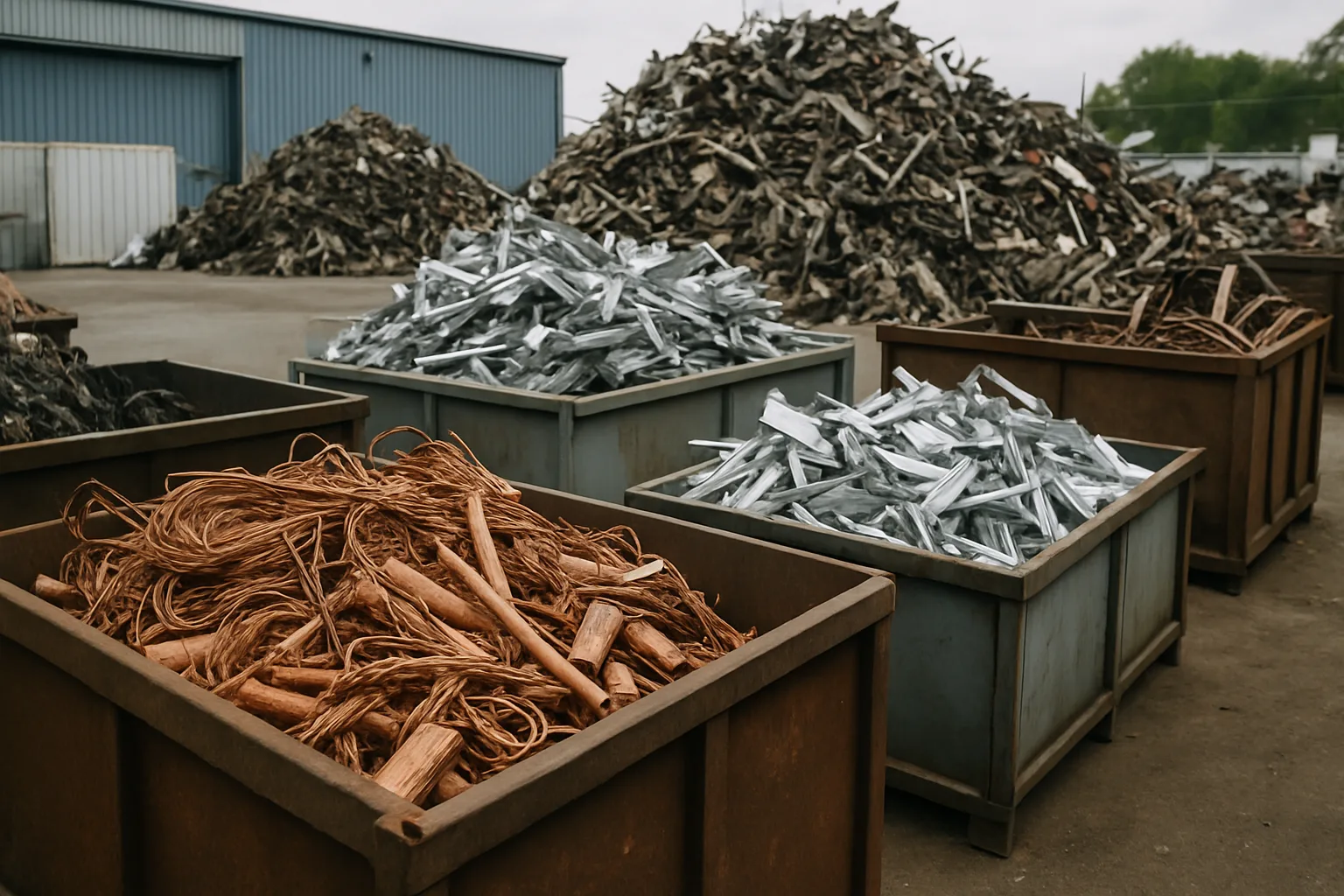
Copper trades on the London Metal Exchange and CME, with daily spot pricing. The copper scrap price today for #1 bare bright wire is meaningfully different from #2 copper or insulated wire — grade matters as much as weight. If you're mixing grades in a bin and selling it as a bulk lot, you're averaging down. Separating and identifying material takes time, but it pays.
Aluminum varies by alloy. Cast aluminum from engine blocks, extrusions, sheet, and cans all trade at different price points. A lot of small sellers don't know this. Yards that buy it all as "mixed aluminum" are pricing to the lowest common denominator.
Steel and ferrous move on regional mill pricing. In Hamilton, with direct proximity to steelmaking operations, regional ferrous markets can be more competitive than in smaller Ontario communities. That's an advantage worth using.
Prices fluctuate constantly across all these materials. Check current rates before you sell — what was true last week may not be true today. You can explore Canadian scrap metal guides for context on how these markets work and what to watch.
Frequently Asked Questions
Q: Why did I get such a low offer for my catalytic converter in Hamilton?
Low offers usually reflect one of three things: a buyer who doesn't specialize in cats and prices conservatively to protect their margin, a lack of documentation that makes the buyer uncertain about what they're buying, or a simple absence of competition. Getting quotes from multiple buyers — or using an auction platform — gives you a better baseline for what your converter is actually worth on the current market.
Q: Are scrap metal prices in Hamilton different from the rest of Ontario?
Regional pricing can vary due to proximity to buyers, transportation costs, and local demand. Hamilton's industrial base and density of active yards generally make it a competitive market for ferrous and non-ferrous material. That said, competition between individual buyers matters more than geography — the difference between one buyer and three competing buyers is usually larger than the difference between Hamilton and another Ontario city of similar size.
Q: How do I know what my catalytic converter is worth before I sell it?
Start with the serial number or part number stamped on the housing. Processor databases and VIN lookup tools cross-reference these numbers against known PGM loading data. SMASH's platform includes serial tracking and VIN lookup for exactly this reason. Clear photos of the part number and substrate end also help buyers price more accurately — which typically means better offers for the seller.
Q: Is it legal to sell catalytic converters in Ontario?
Yes, selling catalytic converters from vehicles you own or have legal authority to process is permitted in Ontario. Regulations require proper documentation — buyers are required to record seller information and vehicle details for converters. This exists to deter theft. Legitimate sellers with clean material and documentation have nothing to worry about. Always use a registered, reputable buyer.
Q: What's the difference between selling to a local scrap yard and using a platform like SMASH?
A local scrap yard gives you one price — their price. A platform like SMASH puts your material in front of multiple vetted buyers who compete for it. That competition is where price discovery happens. For high-value material like catalytic converters, the gap between a single offer and a competitive result can be significant. You can learn more about Hamilton scrap metal services and what your options look like locally.
If you're sitting on catalytic converters, copper, or mixed scrap metal and you're not sure what it's worth — that uncertainty is the problem to solve first. Document your material, know your grades, and get it in front of more than one buyer. When you're ready to move it, get a fair price for your scrap today at getmyscrap.ca. The process is straightforward, the buyers are vetted, and you don't have to guess what your material is worth.
Follow SMASH on LinkedIn for ongoing scrap metal market insights, price movement updates, and practical guides for Canadian sellers and buyers.
Disclaimer: Scrap metal prices fluctuate daily based on commodity markets and local conditions. All price references in this article are general in nature. Check current rates before selling any material.