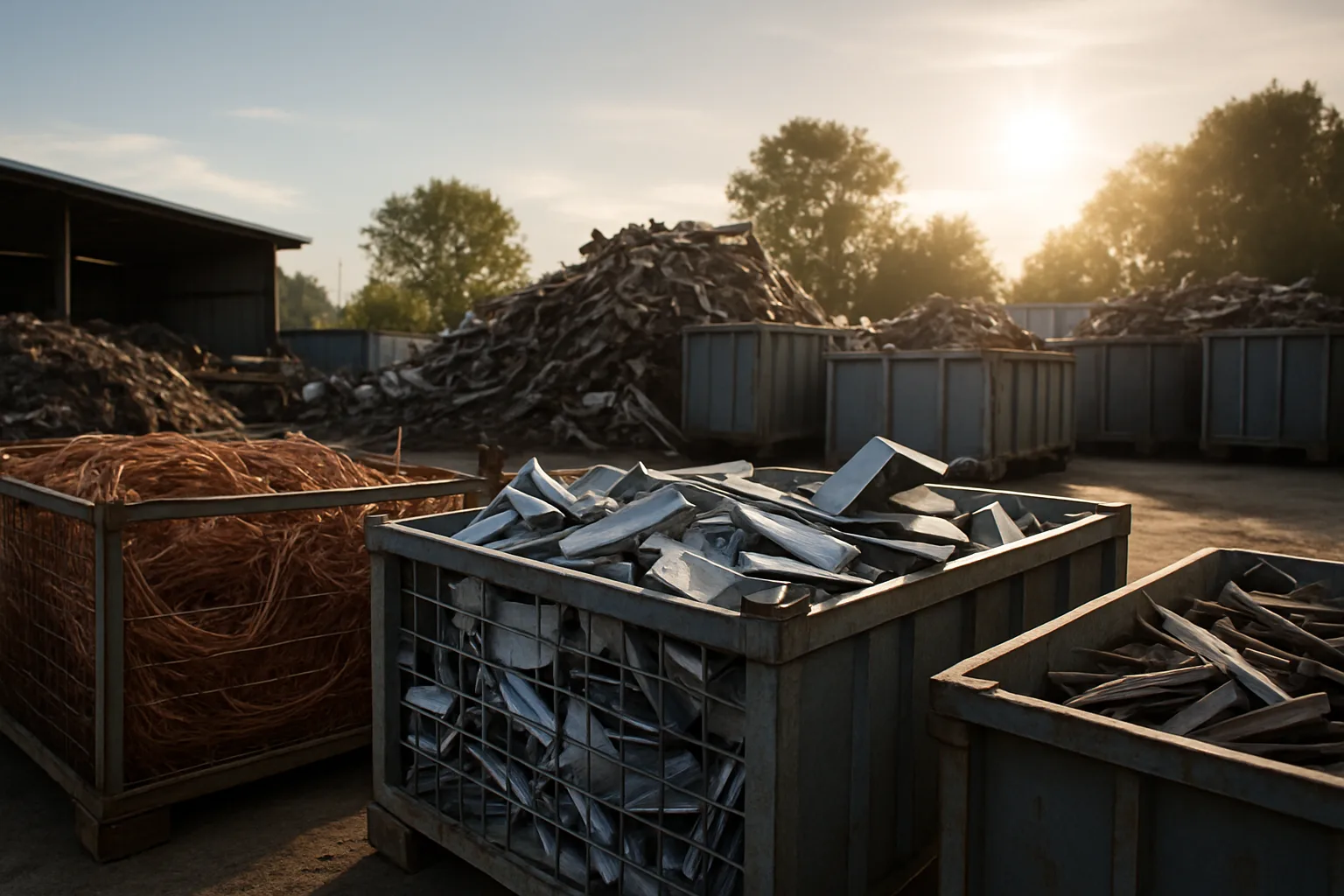
Ferrous vs. Non-Ferrous Scrap Metal: What Chilliwack Sellers Need to Know Before They Cash In
Most people show up at a scrap yard with a truckload of mixed metal and no idea what they're holding. That's money left on the table. Knowing the difference between ferrous and non-ferrous scrap isn't just trivia — it directly affects what you get paid. If you're sorting a job site cleanout in Chilliwack or clearing old equipment from a British Columbia farm, this one distinction can change your payout by hundreds of dollars.
This guide breaks it down plainly. What each category includes, how they're priced, and how to make sure you're getting a fair deal — especially on higher-value materials like copper and aluminum.
The Core Difference: Iron Content and Why It Matters for Pricing
Ferrous metals contain iron. Non-ferrous metals don't. That's the short version. The longer version matters when you're talking about copper scrap prices Chilliwack versus what you'd get for a pile of structural steel.
Ferrous metals include:
- Steel — structural beams, rebar, sheet metal, pipes
- Cast iron — engine blocks, old radiators, machine parts
- Wrought iron — fencing, older hardware
- Stainless steel — appliances, food equipment (technically ferrous, but valued higher due to nickel/chromium content)
Non-ferrous metals include:
- Copper — wire, plumbing pipe, electric motors
- Aluminum — cans, extrusions, cast parts, radiators
- Brass — fittings, valves, shells
- Lead — batteries, wheel weights
- Stainless steel — overlaps here depending on grading
- Catalytic converters — contain platinum group metals (PGMs)
Here's the bottom line: non-ferrous metals are worth significantly more per kilogram than ferrous metals. Scrap steel might move for a few cents per pound. Scrap copper can be worth several dollars per pound depending on grade and market conditions. Separating your loads before you sell isn't optional if you want to maximize your return.
Copper Scrap Prices in Chilliwack: What Drives the Numbers
Copper is one of the most closely watched commodities in the scrap world — and for good reason. It's used in construction, EV manufacturing, electrical infrastructure, and industrial equipment. When demand surges, copper prices follow. When markets slow, they pull back. The copper scrap price today per kg is never static.
In Chilliwack and across British Columbia, copper is graded at the yard. Common grades include:
- #1 Bare Bright Copper — clean, uncoated wire, no insulation. Highest value.
- #1 Copper — clean pipe and tubing, minimal oxidation or solder
- #2 Copper — pipe with fittings, light oxidation, small amounts of solder allowed
- #3 Copper / Roofing Copper — painted or heavily oxidized material. Lower value.
- Insulated Copper Wire — value depends on insulation percentage and wire gauge
The cleaner the copper, the closer it is to the top tier. Bringing in a tangled mess of insulated wire mixed with steel clamps gets you a blended, lower price. Strip it. Sort it. Grade it yourself before you arrive. That simple step — which costs nothing but time — can meaningfully improve your payout.
To get a sense of where scrap metal prices Chilliwack are at on any given week, platforms like the SMASH Recycling auction platform offer transparent, competitive pricing driven by real buyer demand rather than a single yard's posted rate.
Aluminium Scrap Value Today: The Other High-Value Non-Ferrous Material
Aluminum doesn't get the same headlines as copper, but it's one of the most recycled metals in North America for good reason. It's light, abundant, and the energy savings from recycling versus primary production are dramatic. Recycling aluminum uses roughly 5% of the energy required to produce it from raw ore — which is why demand for aluminium scrap value today stays strong even in softer markets.
Common aluminum scrap categories include:
- Cast aluminum — engine blocks, transmission housings, wheels
- Aluminum extrusion — window frames, door frames, industrial profiles
- Sheet aluminum — roofing, auto body panels, cladding
- Aluminum radiators — auto cooling systems (often mixed with copper)
- UBC (Used Beverage Cans) — compressed aluminum cans
- Breakage / mixed aluminum — lower-value, unsorted material
Again, sorting matters. A clean load of aluminum extrusion pays more per kilogram than a mixed pile of cast and sheet. If you're dealing with auto parts in particular — wheels, intake manifolds, engine covers — know your grades before you negotiate. You can sell your scrap metal in Canada on GetMyScrap and get visibility into what buyers are actually bidding, rather than accepting whatever a single yard quotes you on the spot.
Ferrous Scrap: Lower Value, But High Volume Adds Up
Don't write off ferrous metal just because the per-pound price is lower. Steel and iron move in volume. If you're doing a demolition project, a farm equipment cleanout, or pulling an old industrial unit, you might be dealing with thousands of kilograms of structural steel, rebar, or cast iron. At scale, that adds up to real money — especially if you're organized about it.
Ferrous scrap is typically priced by the gross ton. Common categories include:
- HMS 1 (Heavy Melting Steel) — structural steel, plate, beams
- HMS 2 — lighter steel, mixed gauge, some sheet
- Shredded steel — processed auto scrap
- Cast iron — machinery, stove bodies, old brake rotors
- Prepared steel — cut to size for furnace charging
One thing ferrous and non-ferrous loads have in common: documentation matters. Whether you're selling a mixed load from a Chilliwack job site or moving a full container of prepared steel, having a clear scrap metal inventory management approach — weights, grades, load photos, packing lists — gives buyers confidence and protects you if there's a dispute. SMASH builds this directly into the selling process, so you're not scrambling to reconstruct records after the fact.
Catalytic Converters: Their Own Category Entirely
Cats deserve a separate mention. Catalytic converters are technically non-ferrous — they contain platinum, palladium, and rhodium (the platinum group metals, or PGMs) — but they're treated as a specialty item, not sorted alongside your copper and aluminum.
Converter values vary enormously by make, model, and serial number. A common domestic cat might bring $50–$150 CAD. A diesel aftertreatment unit or a rare foreign-market converter can be worth multiples of that. The only way to know what you actually have is serial tracking and verification — not a quick visual guess at the yard.
If you're sitting on a pile of cats from vehicles processed in British Columbia, you need a buyer who can actually verify and price them correctly. SMASH uses serial tracking and photo documentation to ensure converters are priced on real data, not guesswork. That transparency benefits both sides of the transaction.
Want to understand how to move your full inventory — ferrous, non-ferrous, and cats together — without juggling three different buyers? Explore Canadian scrap metal guides for practical breakdowns by material type.
How to Get the Best Price for Your Scrap Metal in Chilliwack and Across BC
Whether you're a first-time seller or a yard operator moving regular loads, the process for getting a fair price is the same. Competition is what drives price discovery. One buyer, one quote, no leverage. That's the old way. It's also the expensive way.
Here's a practical checklist before you sell:
- Separate ferrous from non-ferrous — mixed loads always get priced at the lower value
- Grade your non-ferrous — clean copper separate from insulated wire, extrusion separate from cast aluminum
- Document everything — photos, weights, grades, and a basic packing list
- Get multiple quotes — call more than one yard, or use a platform that puts competitive bidding to work for you
- Know your cats — serial numbers, not visual guesses
- Understand market timing — copper and aluminum prices shift with global demand; selling into a strong market matters
Platforms like SMASH make it easier to move scrap without the guesswork. Vetted buyers, competitive auctions, transparent pricing, and no subscription fees. If you're getting a fair price for your scrap today, you shouldn't have to wonder whether you left money on the table.
Scrap metal markets move fast. Whether you're tracking copper scrap prices Chilliwack this week or watching aluminum tick up with infrastructure demand, staying informed gives you the upper hand. Check current rates before every major sale — what was true last month may not reflect what buyers are actually paying today.
Disclaimer: All metal prices referenced in this article are for general guidance only. Scrap metal prices fluctuate based on global commodity markets, local supply and demand, and material grade. Always verify current rates before selling.
Frequently Asked Questions
Q: What are current copper scrap prices in Chilliwack?
Copper prices fluctuate based on global commodity markets and local yard conditions. The best way to get an accurate number for Chilliwack is to contact local yards directly or use a platform like SMASH that shows you real buyer bids rather than posted estimates. Always confirm the grade your copper falls into — #1 Bare Bright pays significantly more than #2 or insulated wire.
Q: How do I know if my scrap is ferrous or non-ferrous?
The simplest test: use a magnet. Ferrous metals (steel, cast iron) will attract a magnet strongly. Non-ferrous metals (copper, aluminum, brass) will not. This basic check before you load your vehicle helps you sort correctly and prevents mixed loads from pulling your price down.
Q: Are scrap metal prices in Chilliwack different from the rest of British Columbia?
Local yard pricing can vary by region due to transportation costs, buyer competition, and local demand. Chilliwack yards may price slightly differently than Vancouver-area yards. Getting multiple quotes — or using a competitive auction platform — gives you a clearer picture of what the market is actually paying in your area.
Q: What's the best way to sell catalytic converters in BC?
Catalytic converters should be sold with serial numbers verified and documented. Avoid any buyer who prices by appearance alone — converter values vary dramatically by make and model. Platforms that use serial tracking and photo documentation, like SMASH, protect you from undervaluing your cats and ensure buyers are bidding on accurate information.
Q: Does sorting my scrap before selling actually make a difference?
Yes — significantly. A sorted, clean load of #1 copper pays more per kilogram than the same copper mixed with steel hardware. Yards price mixed loads at the lowest-grade rate across the board. Spending 20–30 minutes separating and grading your material before you arrive can meaningfully increase your total payout.
---Ready to stop guessing and start getting paid what your metal is actually worth? GetMyScrap connects Canadian sellers with competitive buyers across the country — whether you're in Chilliwack or anywhere else in British Columbia. Request a pickup and find out what your scrap is really worth today.
Stay sharp on scrap metal market trends and industry updates — follow SMASH on LinkedIn for regular insights from inside the recycling industry.