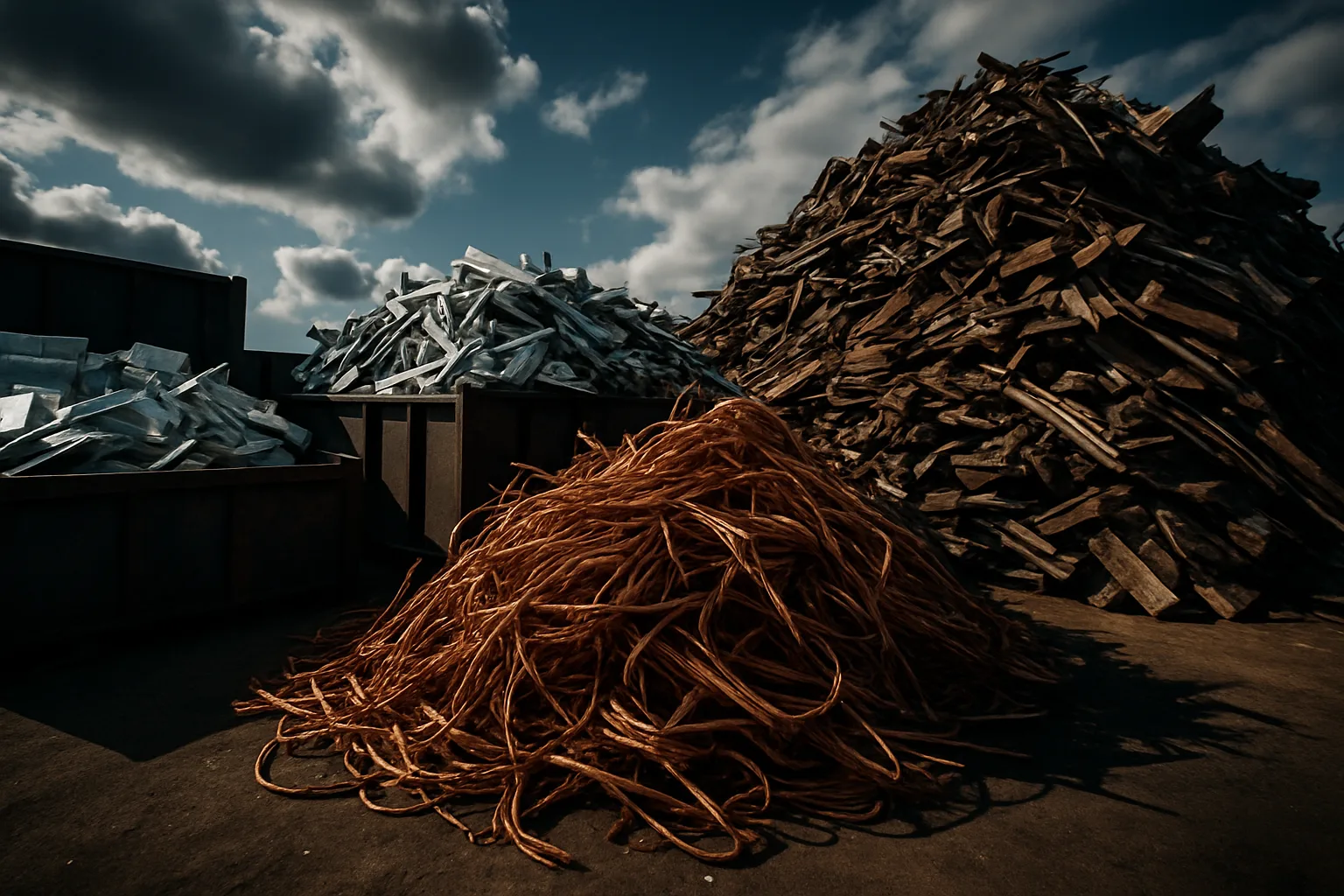
Why Construction and Demolition Sites Are Sitting on a Goldmine of Scrap Metal
Most contractors think about scrap metal as a disposal problem. Haul it out, dump fees, move on. But the reality is that a single mid-size demolition in Kamloops can generate thousands of pounds of recoverable metal — copper wiring, aluminum framing, steel rebar, cast iron pipe. That's not waste. That's cash sitting in a dumpster.
If you're running a construction or demo site in British Columbia and you're not tracking your scrap output, you're leaving money behind on every single job. This guide breaks down exactly what metal gets generated on C&D sites, what it's worth, and how to actually get paid for it.
What Types of Scrap Metal Come Off a Construction or Demolition Site?
Construction and demolition sites produce a surprisingly wide range of metal. The type and volume depend on the building's age, its original use, and how thoroughly the teardown is handled. Here's what you'll typically encounter:
- Copper: Electrical wiring, plumbing pipe, fittings, and bus bars. Copper is consistently among the highest-value metals on any site. Older buildings often have more copper wiring than newer builds that use aluminum in some circuits.
- Aluminum: Window frames, curtain wall systems, HVAC ducting, conduit, and structural extrusions. Aluminum is lightweight and easy to separate, which makes it a favourite for fast sorting.
- Steel and Iron: Rebar, structural I-beams, corrugated decking, steel studs, and cast iron plumbing. Steel is lower in price per pound but high in volume — a structural teardown can yield tens of thousands of pounds.
- Brass: Valves, fittings, and plumbing fixtures. Often overlooked but meaningful in price per pound.
- Stainless Steel: Commercial kitchens, hospitals, and industrial buildings generate significant quantities of stainless in sinks, counters, and process piping.
The mix changes dramatically based on building type. A 1970s office tower in Kamloops will yield different metal than a modern residential subdivision. Industrial sites — warehouses, plants, processing facilities — tend to produce the heaviest and most diverse scrap loads. Know what you're walking into before the wrecking ball swings.
Copper Scrap Prices in Kamloops — What You Need to Know
Copper is the metal every contractor wants to talk about. And for good reason — it trades at a meaningful premium over most other metals on a per-pound basis. Copper scrap prices in Kamloops, like everywhere else in British Columbia, move with the global commodity market. The London Metal Exchange sets the benchmark, and your local yard adjusts from there based on grade, volume, and current demand.
The grade of copper you deliver matters enormously. Bare bright copper — clean, uncoated, stripped wire — commands the highest price. #1 copper includes clean pipe and fittings with no solder. #2 drops further for oxidized or coated material. Insulated wire is priced separately, with a yield deduction for the plastic jacket. If you're stripping wire on-site to capture a higher grade, factor in your labour cost before deciding it's worth it.
A few things that affect what you actually receive at the scale:
- How clean and sorted your load is
- Whether you can document the source (important for some buyers)
- Volume — larger loads often get better treatment
- Current spot price the day you sell
Disclaimer: Scrap metal prices fluctuate daily based on global commodity markets. Always check current rates before making business decisions. The numbers at your local yard today may differ from what you see published online.
For a real-time picture of what your copper, aluminum, or steel loads might be worth, get a fair price for your scrap today instead of guessing based on a number someone mentioned last month.
Scrap Metal Inventory Management on Active Job Sites
Here's where most contractors lose money: they don't track what they've pulled. Metal gets mixed. Grades get contaminated. A bin of clean copper ends up with coated wire thrown in because a crew member wasn't briefed. By the time the load hits the scale, you've lost value you already earned.
Good scrap metal inventory management on a C&D site doesn't need to be complicated. It needs to be consistent. That means:
- Separate bins by metal type from day one. Copper, aluminum, and ferrous metals should never share a container if you can help it. Mixed loads get priced at the lowest grade in the mix.
- Label and photograph each load before it leaves the site. Photo documentation protects you and helps buyers understand what they're bidding on — platforms like SMASH rely on accurate photos and descriptions to generate competitive offers.
- Track weight estimates as you go. You don't need a certified scale on-site, but keeping a rough running tally helps you plan pickups and predict cash flow from scrap on a longer job.
- Note the source material. Knowing that your copper came from a commercial electrical panel versus residential plumbing helps you communicate grade accurately to buyers.
Proper documentation isn't just about maximizing price — it's about building credibility with buyers. When you show up with sorted, photographed, described loads, serious buyers compete harder. Sloppy, mixed, undocumented loads get low-ball offers or get turned away entirely.
If you're managing multiple active sites across British Columbia, a structured approach to scrap tracking pays dividends. Tools built for the industry — including those behind smashrecycling.ca — support serial tracking, photo documentation, and load-level records that keep everything clean and auditable.
How to Sell Scrap Metal for Cash from a Demo Site
Knowing how to sell scrap metal for cash from a C&D site is different from the casual "I have some old pipes" experience. You're dealing with volume, multiple metal types, scheduling constraints, and potentially regulatory requirements around scrap documentation and source verification. Here's how to approach it.
Step 1: Sort and segregate. The harder you work to separate grades on-site, the more you earn at the gate. Don't wait until you have a massive mixed pile to figure out sorting.
Step 2: Estimate your load. Know approximately what you have before you call anyone. Weight and grade. "A bunch of copper wire and some aluminum" is not a useful description for a buyer trying to price your load.
Step 3: Get competitive pricing. This is where most contractors leave money on the table. Calling one yard, getting one price, and taking it — that's the old way. The scrap metal market is competitive when you create competition. Platforms like SMASH connect sellers with vetted buyers who bid against each other. More buyers means better price discovery. It's that simple.
Step 4: Arrange logistics. For large loads off a demo site, you need pickup scheduling, bin drop, or direct haul arrangements. Confirm what documentation the buyer requires — bill of lading, load photos, source declaration. Get it in writing.
Step 5: Get paid and document it. Keep your receipts. Scrap revenue on commercial sites feeds into your project accounting. Auto-invoicing tools mean you're not chasing paper after the fact.
For contractors operating around Kamloops, the Kamloops scrap metal services available through GetMyScrap are built for exactly this kind of structured, volume-based selling.
Why Competitive Auctions Beat a Single Phone Call for C&D Scrap
The old way of selling construction scrap goes like this: you call your yard, they give you a number, you take it or you don't. There's no pressure on them to price you fairly. They know you're not going to drive across town to get a second quote on a full bin of rebar.
SMASH changes that dynamic. Instead of one buyer and one number, vetted buyers see your load and bid. That competition can reveal the actual market value of what you have — not just the number one yard was comfortable offering that morning. There are no subscription fees to list. SMASH only wins when you do.
This matters most on high-value loads. A large copper pull from a commercial building in Kamloops isn't a trivial transaction. Even a modest improvement in price per pound across several hundred pounds adds real dollars to your project margin. Treating scrap as an afterthought is a habit that costs you on every job.
If you're managing significant scrap volume — whether from a single large demolition or ongoing construction across multiple sites — sell your scrap metal in Canada on GetMyScrap and connect with a platform built for serious sellers, not one-off trips to the yard.
Making the Most of Your Scrap Metal Revenue in 2026
The construction market in British Columbia has kept recyclers and demolition crews busy. But with tighter project margins and rising disposal costs, scrap metal revenue has moved from "nice to have" to a genuine line item in job cost accounting. Contractors who treat their scrap seriously are recovering real dollars that used to walk out the gate with a hauler.
The tools are there. Competitive auction platforms. Photo documentation. Inventory tracking. Vetted buyers who actually want your loads. The only thing standing between you and better scrap returns is the habit of calling one buyer and taking whatever they offer.
Whether you're wrapping up a residential renovation or tearing down a commercial structure, every pound of copper, aluminum, and steel on that site has value. Track it. Sort it. Sell it competitively. If you want a straightforward path to doing exactly that, explore Canadian scrap metal guides to learn more about getting the most from every load — and when you're ready to sell, request a pickup at getmyscrap.ca.
Frequently Asked Questions
Q: What are copper scrap prices in Kamloops right now?
Copper scrap prices in Kamloops fluctuate daily with the global commodity market, so any number published today may be different tomorrow. The best approach is to get live quotes from multiple buyers rather than relying on a single yard's posted price. Platforms like SMASH and GetMyScrap connect you with competitive offers based on your actual load and grade.
Q: How much copper does a typical demolition site in British Columbia generate?
It varies widely depending on the building type and age. A commercial office building can yield hundreds of pounds of copper wiring alone, plus plumbing and electrical components. Industrial facilities can produce significantly more. Sorting and documenting your copper by grade before selling is the single most effective way to maximize what you recover.
Q: Do I need any special permits to sell scrap metal from a demolition site in BC?
In British Columbia, scrap metal dealers typically require sellers to provide identification and documentation of the source of materials — especially for high-value metals like copper. Requirements vary by municipality and yard. Always confirm what documentation your buyer needs before delivering a load, and keep your own records for project accounting purposes.
Q: What's the difference between #1 and #2 copper scrap?
#1 copper is clean, uncoated pipe and wire with no solder or fittings — it commands the highest price per pound. #2 copper includes material that is oxidized, has solder joints, or has minor contamination. The price difference between grades can be significant, so sorting carefully on-site is worth the effort on larger loads.
Q: How do I get the best scrap metal prices in Kamloops for a large construction load?
The most effective approach is to create buyer competition instead of accepting the first offer. Sort your metals by type and grade, document loads with photos, and use a platform like SMASH or GetMyScrap to get multiple buyers bidding on your material. Volume helps — larger, well-documented loads attract more serious buyers and stronger offers.
Follow SMASH on LinkedIn for scrap metal market insights, industry updates, and tips on getting more from every load you sell.