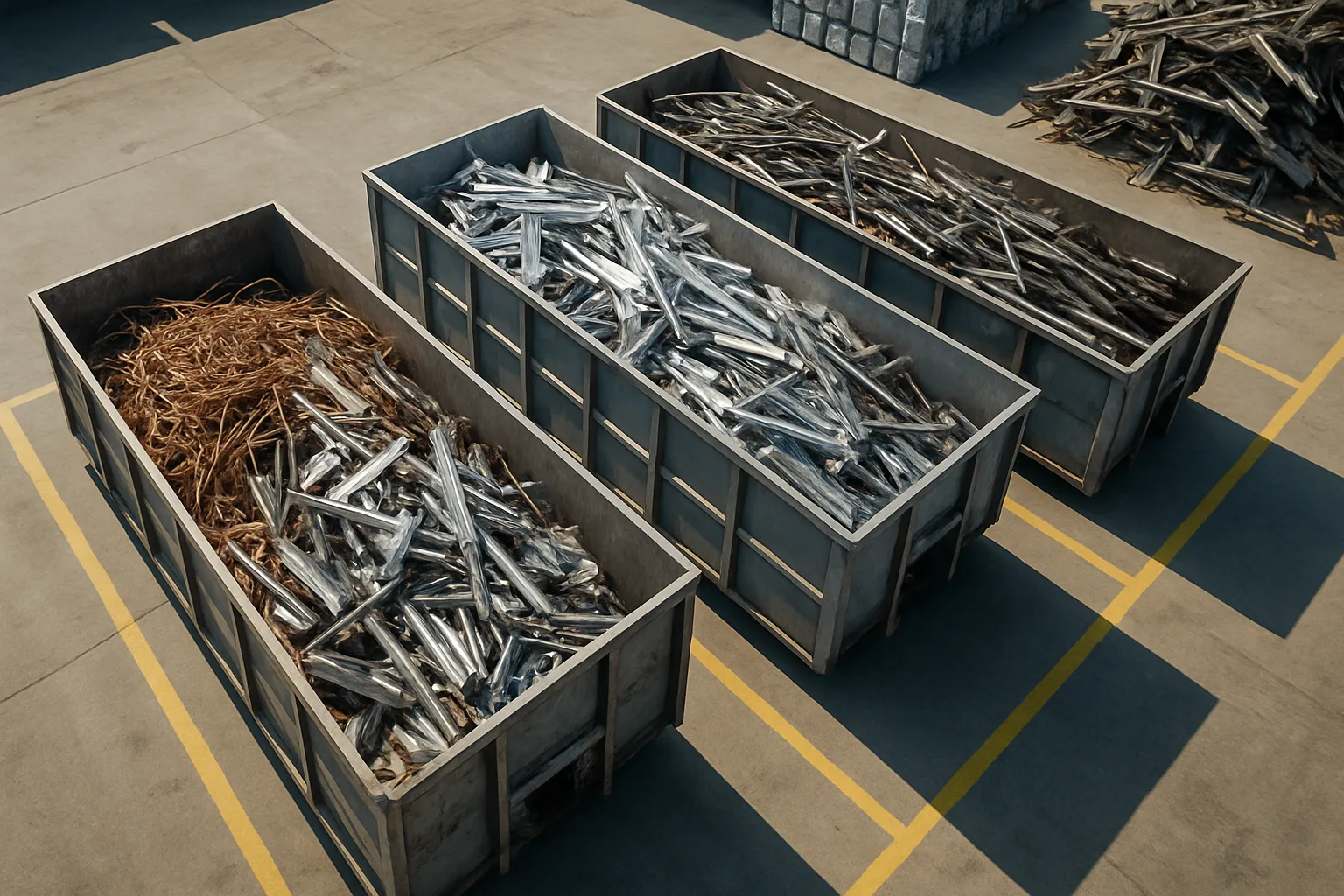
Most people leave money on the table when they sell scrap metal. Not because they're doing anything wrong — because nobody ever told them how the system works. If you're collecting aluminum cans, pulling copper wire from old appliances, or stripping catalytic converters from junked vehicles, you're sitting on real value. The question is whether you're getting paid what that metal is actually worth. For small-scale collectors looking to sell scrap metal Regina — and across Saskatchewan — these tips can meaningfully shift what lands in your pocket.
This isn't theory. It's the difference between showing up at a yard with a mixed load and getting the lowest bracket, versus walking in organized, sorted, and documented — and walking out with significantly more cash. Let's break it down.
---Know What You Have Before You Show Up
The single biggest mistake small collectors make is showing up with unsorted, mixed loads. A bin of tangled copper wire, steel bolts, and aluminum cans is worth a fraction of what those same materials fetch when separated. Yards pay by the material grade — and if they have to sort it themselves, they charge you for that labour by dropping your price.
Here's a quick breakdown of common materials small collectors deal with:
- Scrap copper — One of the highest-value non-ferrous metals. Bare bright copper commands the top rate. Insulated wire gets discounted. Strip it if you can.
- Scrap aluminum — Cans, extrusions, cast aluminum, and sheet all pay differently. Don't mix them. Clean aluminum always pays better than coated or contaminated material.
- Catalytic converters — Serial numbers matter here. A vetted buyer wants documentation. Don't walk in without knowing what you've got.
- Steel and iron — Lower price per pound, but volume adds up. Ferrous material is worth sorting by type — light iron, heavy melt, and prepared steel are different grades.
- Electronics and cores — Alternators, starters, and electric motors contain copper and aluminum. Cores pay more than you'd think when sold to the right buyer.
Taking 30 minutes to sort a load before you move it is one of the highest-paying hours of your week. The aluminum scrap price today can vary significantly by grade — and buyers aren't going to volunteer that information if you don't ask.
---How Regina Collectors Can Find Better Prices Through Competition
One buyer, one phone call, one price — that's the old model. And it costs you money every single time. If you're only calling one yard in Regina, you're not price-checking, you're price-accepting. There's a difference. Saskatchewan has a range of buyers for non-ferrous metals, and not all of them pay the same rate on the same day for the same material.
This is exactly where platforms like SMASH Recycling — where verified buyers bid on your metal change the game. Instead of making calls and taking whatever someone offers, you put your load in front of vetted buyers who compete for it. More buyers means better price discovery. That's not a slogan — it's how markets work. Competition reveals what your metal is actually worth instead of what one buyer decides to offer you that morning.
For collectors doing regular volume — even moderate loads — this approach adds up fast. You don't need a truckload of copper to benefit from competitive bidding. Sorted, documented material attracts serious buyers, whether you're selling scrap copper, scrap aluminum, or catalytic converters. If you want to sell your scrap metal in Canada on GetMyScrap, that competitive structure is already built in.
Check out Regina scrap metal services to understand what options are available locally and how to connect with buyers who pay market rates.
---Document Everything — It Pays Off
Small collectors often skip documentation. Big mistake. In 2026, scrap metal regulations across Canada — including in Saskatchewan — require yards to collect ID and record transactions above certain thresholds. That's the minimum. But documentation does more than keep you compliant — it helps you get better prices and protects you if a dispute comes up.
Here's what good documentation looks like for a small collector:
- Photos before you sell. Photograph your sorted loads before they leave your hands. Weight, grade, condition — document it all visually.
- Weight tickets. Keep every weight ticket from every transaction. This builds your history and gives you leverage when negotiating.
- Serial numbers on catalytic converters. Cats are a high-theft target. Buyers who take documentation seriously — and pay a fair price for verified cats — are the buyers worth doing business with.
- Bills of lading if you're moving loads. If you're collecting from multiple sites or businesses, a basic BOL protects you in transit.
- Transaction records. Track what you sold, when, and at what price. After a few months, you'll see clear patterns about which materials move best and when.
Documented inventory gives buyers more confidence. That confidence translates to stronger offers. It sounds like paperwork — and it is — but it's paperwork that pays you back.
---Timing Your Sales: Why Aluminum Scrap Price Today Isn't the Same as Tomorrow
Metal prices move. They move with global commodity markets, with supply disruptions, with seasonal demand, and with currency shifts. The aluminum scrap price today in Regina can be meaningfully different from what it was two weeks ago — and meaningfully different from what it will be next month.
Small collectors often don't think about timing because they're focused on clearing space or hitting a quick cash need. That's understandable. But if you have storage capacity and you're not in a rush, holding material when prices are soft and moving it when demand spikes is a legitimate strategy. This is especially true for non-ferrous metals like copper and aluminum, which are more price-sensitive than steel.
A few practical timing rules that experienced collectors follow:
- Watch commodity news, even loosely. Major announcements about tariffs, manufacturing demand, or infrastructure spending move metal prices.
- Don't sell during the holiday lull if you can help it. Yards have reduced buying activity; prices often reflect that.
- Spring and fall tend to be active seasons for construction-related scrap — that affects ferrous more than non-ferrous, but it shifts overall yard activity.
- Use platforms that show you real-time competitive bids instead of relying on a single quote that may not reflect current market conditions.
For scrap metal recycling Canada-wide context, explore Canadian scrap metal guides that track pricing trends and market movements across different regions and material types.
---Logistics Matter: Pickup, Transport, and Reducing Your Costs
Your earnings aren't just about what the yard pays — they're about what's left after you account for fuel, time, and transport. A collector driving an hour each way to drop off a small load is burning margin on every trip. Smart logistics are part of the profit equation.
A few approaches that small collectors in Regina and across Saskatchewan use to control costs:
- Batch your loads. Don't move material until you have enough volume to justify the trip. For lower-value metals like light iron, you need volume to make transport worthwhile.
- Use scrap metal pickup services. If you're generating consistent volume, some buyers will come to you. Searching scrap metal pickup near me isn't just for convenience — it can eliminate your transport cost entirely on larger loads.
- Coordinate with other collectors. Informal networks of small collectors who pool loads for transport aren't unusual. More weight often means a better per-pound rate and shared transport costs.
- Know the minimum load thresholds. Some buyers won't quote competitively below a certain weight. Understanding those thresholds helps you plan your collection cycles.
The same logic applies whether you're collecting in Regina, working routes in rural Saskatchewan, or running a side operation anywhere in Canada. Efficient logistics protect your margin the same way good sorting does. And if you're looking to get a fair price for your scrap today, making sure the logistics work in your favour is part of that.
---Building Relationships With Buyers Who Value Consistency
The best buyers aren't looking for one-time transactions. They want reliable, consistent suppliers who show up with sorted, documented, predictable loads. As a small-scale collector, this is actually an advantage — if you play it right.
A buyer who knows you'll arrive every two weeks with clean, sorted aluminum and properly documented cats is more likely to sharpen their offer than they are for a random walk-in with a mystery load. Consistency is a negotiating asset. It reduces the buyer's risk, and buyers price risk into their offers. Reduce their risk, improve your price.
SMASH is built around exactly this model — vetted buyers competing for material from sellers who document and present their loads properly. Whether you're selling scrap copper in Regina, moving non-ferrous material across Saskatchewan, or comparing rates with what scrap metal recycling Ottawa operations are seeing, the principle is the same: organized sellers attract serious buyers. Serious buyers pay better prices.
No subscription fees. No guessing. Just competition working in your favour.
---Frequently Asked Questions
Q: What's the best way to sell scrap metal in Regina as a small collector?
Sort your material by type before you sell — copper, aluminum, steel, and catalytic converters should never be mixed in a single load. Document your material with photos and weight records, then use a platform that puts your load in front of multiple buyers. More competition means better price discovery. Services like SMASH connect you with vetted buyers who bid competitively on your material.
Q: How do I find out the aluminum scrap price today in Saskatchewan?
Aluminum prices fluctuate daily with commodity markets — there's no single posted rate that applies everywhere. Call multiple yards or use a platform that gives you live competitive bids. The grade of aluminum matters significantly: clean cast, clean sheet, and painted or coated aluminum all pay differently. Always ask for a breakdown by grade, not a blanket per-pound offer.
Q: Can I get scrap metal pickup near me in Regina?
Yes — some buyers and services offer pickup for loads that meet a minimum weight threshold. If you're generating consistent volume, pickup can eliminate your transport cost entirely. Check with local buyers and platforms like GetMyScrap to understand what pickup options are available in your area and what load size qualifies.
Q: Do I need ID or documentation to sell scrap metal in Saskatchewan?
Yes. Saskatchewan's scrap metal regulations require yards to collect identification for transactions above certain thresholds. Beyond legal compliance, documentation — photos, weight tickets, serial numbers on catalytic converters — builds credibility with buyers and helps you track your earnings over time. Documented loads consistently attract stronger offers.
Q: Is it worth selling catalytic converters separately from other scrap metal?
Absolutely. Catalytic converters contain platinum group metals and should never be lumped in with general ferrous or non-ferrous loads. They require separate documentation — including serial numbers — and need to go to a buyer who specializes in cats. Selling them through a platform that verifies buyers and tracks serial numbers protects you legally and gets you a more accurate market price.
---Small-scale collecting is real work. You deserve to get paid properly for it. Sorting your loads, documenting your material, timing your sales, and putting your metal in front of competitive buyers — these aren't complicated moves. They're the basics that separate collectors who make decent money from collectors who leave money at the yard every single time. If you're ready to stop guessing and start selling smart, get a fair price for your scrap today at GetMyScrap — request a pickup and see what your metal is actually worth.
Stay current on scrap metal market trends and pricing insights by following SMASH on LinkedIn — practical industry updates for collectors and recyclers across Canada.