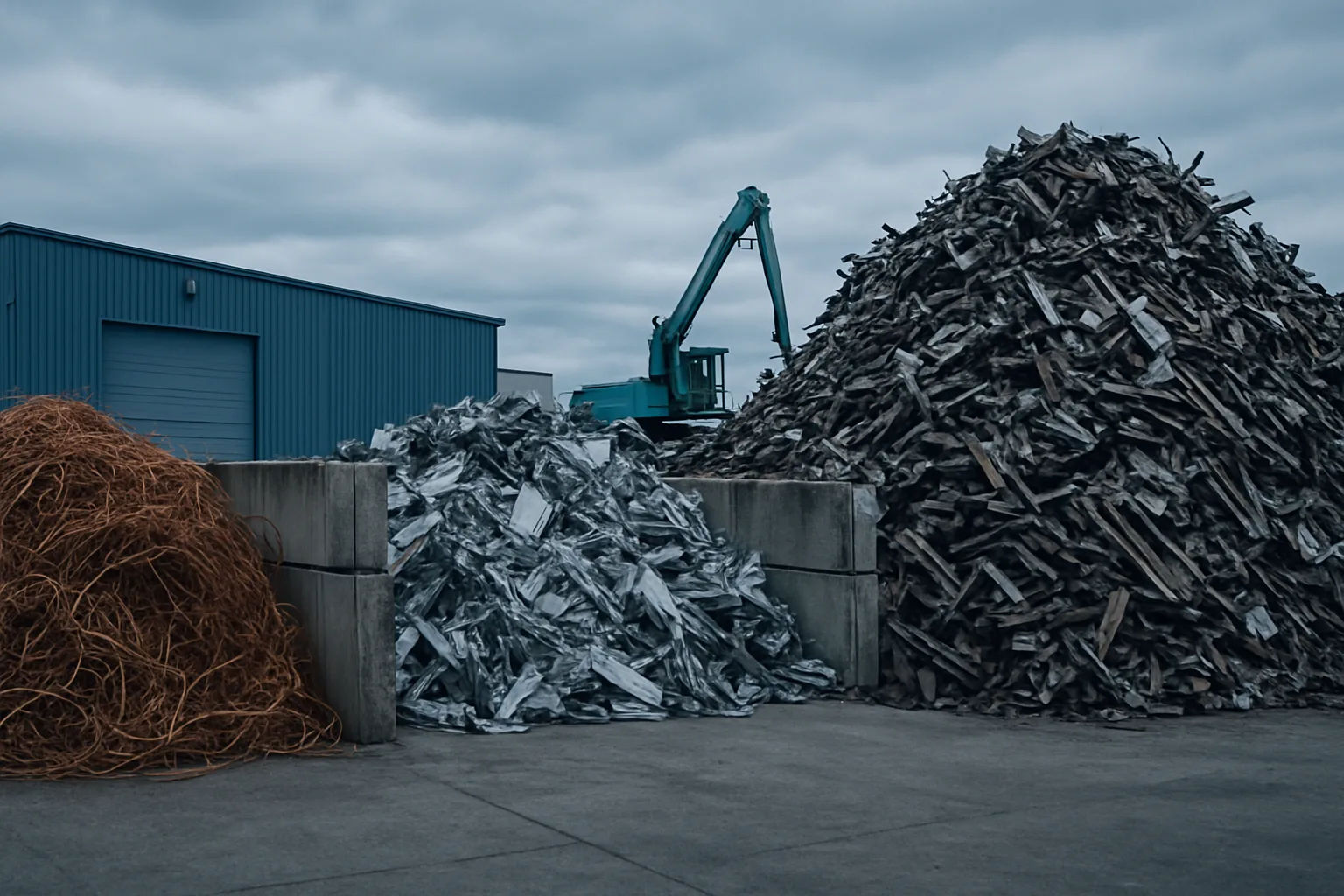
Most people assume scrap is scrap. Toss it in a bin, weigh it, get paid. But if you've ever watched a yard operator separate a pile of mixed ferrous material and realized half of it was cast iron instead of steel, you know the price difference isn't trivial. Steel and iron scrap aren't priced the same — and understanding why can put real money back in your pocket, especially if you're moving volume through a B2B scrap metal marketplace.
This isn't a chemistry lecture. It's a practical breakdown of what separates steel from iron scrap, why mills and foundries price them differently, and how sellers in Barrie and across Ontario can stop leaving money on the table by knowing what they actually have.
---Steel and Iron Are Not the Same Material — And Buyers Know It
At a chemical level, the difference comes down to carbon content. Cast iron sits above 2% carbon, making it harder and more brittle. Steel falls below that threshold — most structural and mild steel runs between 0.05% and 0.3% carbon — which makes it more malleable, weldable, and versatile for remelting. That difference in composition changes everything downstream in the recycling process.
Electric arc furnaces (EAFs), which process the majority of scrap steel in North America, are designed to work with consistent, low-residual material. Cast iron introduces phosphorus and sulfur contamination that affects the chemistry of the melt. That's why mills charge a premium for clean steel and discount iron-heavy loads. Foundries that specifically process cast iron have their own buyers and their own pricing — but that market is smaller and less liquid than the steel scrap market.
What this means for anyone selling ferrous scrap: the same weight of material can fetch a meaningfully different price depending on what's actually in the load.
How Scrap Metal Prices Actually Break Down for Steel vs. Iron
In any active North American ferrous scrap market, you'll typically see steel grades like #1 Heavy Melt and #2 Heavy Melt priced at a premium over foundry-grade cast iron. Shredded steel — clean, light-gauge auto body and appliance material — commands even stronger pricing because of its density and consistency. Cast iron, depending on grade and destination, can trade at a meaningful discount to standard heavy melt.
Here's a rough breakdown of common ferrous grades you'll encounter:
- #1 Heavy Melt Steel: Clean, unprepared steel over ¼ inch thick, no longer than 5 feet. Strong demand from EAF mills. Typically the benchmark ferrous grade.
- #2 Heavy Melt Steel: Mixed, lighter gauge, may include some coated or painted material. Priced below #1 HMS due to higher residual load.
- Shredded Steel: Auto shred and appliance material. High volume, mill-preferred for consistency. Often priced competitively with or above HMS.
- Cast Iron / Foundry Grade: Engine blocks, machine parts, pipes, stove grates. Higher carbon, lower remelting flexibility. Priced below most steel grades in most markets.
- Busheling / Bundles: Factory new steel clips and punchings. Premium-priced, clean material rarely seen in general yard intake.
The spread between top-grade steel and cast iron can fluctuate with market conditions. In tighter mill markets, that gap compresses. In slower periods, foundries reduce intake and the discount on iron widens. Prices fluctuate constantly — always check current rates before committing a load.
Why This Price Gap Matters More in a B2B Scrap Metal Marketplace
If you're selling scrap metal in a one-buyer, one-phone-call setup, you're trusting that buyer's grade assessment and their current price sheet. You have no way to verify whether their spread between steel and iron is fair, or whether a different buyer would value your specific mix differently.
That's exactly where a scrap metal auction platform changes the math. When multiple vetted buyers compete on a documented load — one where the material is photographed, weighed, and graded before the auction opens — the pricing reflects actual market demand, not one buyer's margin preference. Competition can help reveal the market. More buyers means better price discovery.
Sellers using platforms like SMASH can document their loads with photos, weights by grade, and material breakdowns before going to market. That documentation gives buyers the confidence to bid competitively. A buyer who knows exactly what steel-to-iron ratio they're getting in a load bids differently than one who's guessing from a verbal description over the phone.
If you're running a recycling yard in Barrie or elsewhere in Ontario and you're moving mixed ferrous loads regularly, understanding how your material grades translate to buyer demand is the foundation of getting paid fairly. Compare scrap metal bids from Canadian buyers and see what documented loads actually fetch in a competitive environment.
Selling Scrap Metal in Barrie — Ferrous Sorting Pays Off
Barrie's industrial base — manufacturing, automotive, construction — generates a consistent stream of ferrous scrap. Engine blocks, structural steel drops, rebar, pipe: it's a mixed picture. The yards and operators who do the work of separating steel from iron before they go to market consistently see better returns than those who sell it all as mixed ferrous and take whatever discount comes with the uncertainty.
The effort isn't always dramatic. Sometimes it's as simple as using a magnet to pull ferrous from non-ferrous, then using weight and visual cues to separate cast iron (heavier for its size, granular fracture if broken) from structural steel (more uniform, often stamped or rolled). If you're dealing with auto cores or engine blocks, those are almost always cast iron — price them accordingly and don't mix them into your steel loads.
For sellers accessing Barrie scrap metal services, taking the time to sort before pickup means cleaner documentation, more confident buyer bids, and less risk of grade disputes at settlement. It's not extra work for its own sake — it directly affects what you get paid.
The broader scrap metal recycling Ontario market rewards sellers who show up with documented, sorted loads. Whether you're in Barrie, the GTA, or anywhere in between, the principle holds: the more a buyer knows about what they're getting, the more they'll pay for it.
Non-Ferrous Scrap Alongside Ferrous: Don't Miss the Mix
Any time you're processing a load heavy in steel and iron, there's a good chance non-ferrous material is mixed in. Copper wiring in old motors. Aluminum brackets on machinery. Brass fittings on pipe. These materials are worth pulling before the ferrous load goes out — their value per pound is significantly higher than any steel or iron grade.
Scrap copper, scrap aluminum, and brass all trade on their own pricing curves, independent of the ferrous market. A few pounds of copper wiring you missed in a steel load might represent more value than the pricing difference between your best and worst ferrous grade. The separation discipline that applies to steel vs. iron applies even more forcefully when you consider what non-ferrous material is worth.
If you're working with catalytic converter material — auto cats stripped from vehicles in your yard — those are a separate category entirely. Catalytic converter buyers price based on PGM content (platinum, palladium, rhodium), serial numbers, and condition. Don't let cats go out in a mixed metal load. Track them, document them, and sell them through a channel that actually prices the PGM value.
SMASH handles this through serial tracking and photo documentation — so whether you're selling cats, copper, or a mixed ferrous load, each material type gets documented and priced appropriately. Sell your scrap metal in Canada on GetMyScrap and connect with buyers who know the difference between your grades.
How to Get the Most from Your Ferrous Scrap in 2026
The ferrous scrap market in 2026 continues to be shaped by EAF expansion across North America, ongoing automotive production shifts, and infrastructure project activity that affects both steel demand and scrap supply. Mills are selective. Buyers have preferences. Generic "mixed ferrous" loads don't command top dollar in this environment.
Here's what actually moves the needle for ferrous sellers:
- Sort by grade before you sell. Steel and iron have different buyers and different price points. Separate them, even roughly, and you open the door to grade-specific pricing.
- Document the load before it leaves the yard. Photos, weights by grade, and a clear description give buyers the information they need to bid with confidence.
- Use a competitive sales channel. One buyer gives you one number. A vetted buyer pool on a B2B scrap metal marketplace gives you a market.
- Pull non-ferrous before the ferrous load ships. Copper, aluminum, and brass in a steel load are underpriced or lost entirely. They belong in their own sale.
- Check current market rates before committing. Ferrous prices move with mill demand, export activity, and raw material costs. A price that was right last week may not be right today.
The difference between selling what you think you have and selling what you actually have — documented and graded — is the difference between a guessed price and a market price. Explore Canadian scrap metal guides to get deeper into grading, pricing, and market strategy for every material you handle.
If you're ready to stop guessing and start competing, get a fair price for your scrap today. SMASH connects sellers with vetted buyers across North America through a transparent auction process — no subscription fees, no guesswork. We only win when you do.
---Frequently Asked Questions
Q: Why does cast iron scrap sell for less than steel scrap?
Cast iron has a higher carbon content than steel, which limits which buyers and furnaces can process it efficiently. Electric arc furnace mills — the dominant buyers of ferrous scrap — prefer low-residual steel because cast iron introduces phosphorus and sulfur that complicate the melt chemistry. That smaller buyer pool means less competition and typically lower prices compared to clean steel grades like #1 HMS.
Q: How can I tell if my scrap is steel or cast iron?
Cast iron is typically heavier for its size, has a granular texture on a broken edge, and includes items like engine blocks, machine bases, stove grates, and old pipe fittings. Steel tends to be more uniform in appearance, may show rolling marks or stamps, and includes structural shapes, rebar, sheet, and auto bodies. When in doubt, a yard operator or buyer can assess the material before pricing.
Q: Is it worth sorting steel from iron before selling in Barrie?
Yes — sorting ferrous material by grade before you sell almost always pays off. Mixed loads get priced at the lowest common denominator. When you separate steel from iron, buyers can bid on each grade specifically, which can meaningfully improve your total return on the load. For sellers using Barrie scrap metal services, sorted and documented loads also move faster through the auction process.
Q: How does a scrap metal auction platform improve pricing on ferrous loads?
A scrap metal auction platform like SMASH puts your documented load in front of multiple vetted buyers simultaneously. Instead of accepting one buyer's number, you create competition — and competition can help reveal the true market price for your material. Photo documentation and accurate grade descriptions give buyers the confidence to bid aggressively rather than pad in uncertainty.
Q: Should I sell steel, iron, copper, and catalytic converters through the same buyer?
Not necessarily. Each material category has its own buyer pool and pricing dynamics. Selling everything through one buyer is convenient, but you may be leaving money on the table on your higher-value materials like copper, aluminum, or catalytic converters. A marketplace model lets each material compete on its own terms, with buyers who specialize in each grade or category.
---Get a fair price for your scrap metal in Canada — whether you're sorting ferrous loads in Barrie, pulling copper from old machinery in Ontario, or moving cats from an auto dismantling operation. Head to getmyscrap.ca to request a pickup and connect with buyers who actually know what your material is worth.
Follow SMASH on LinkedIn for scrap metal market updates, industry news, and insights that help you sell smarter across North America.