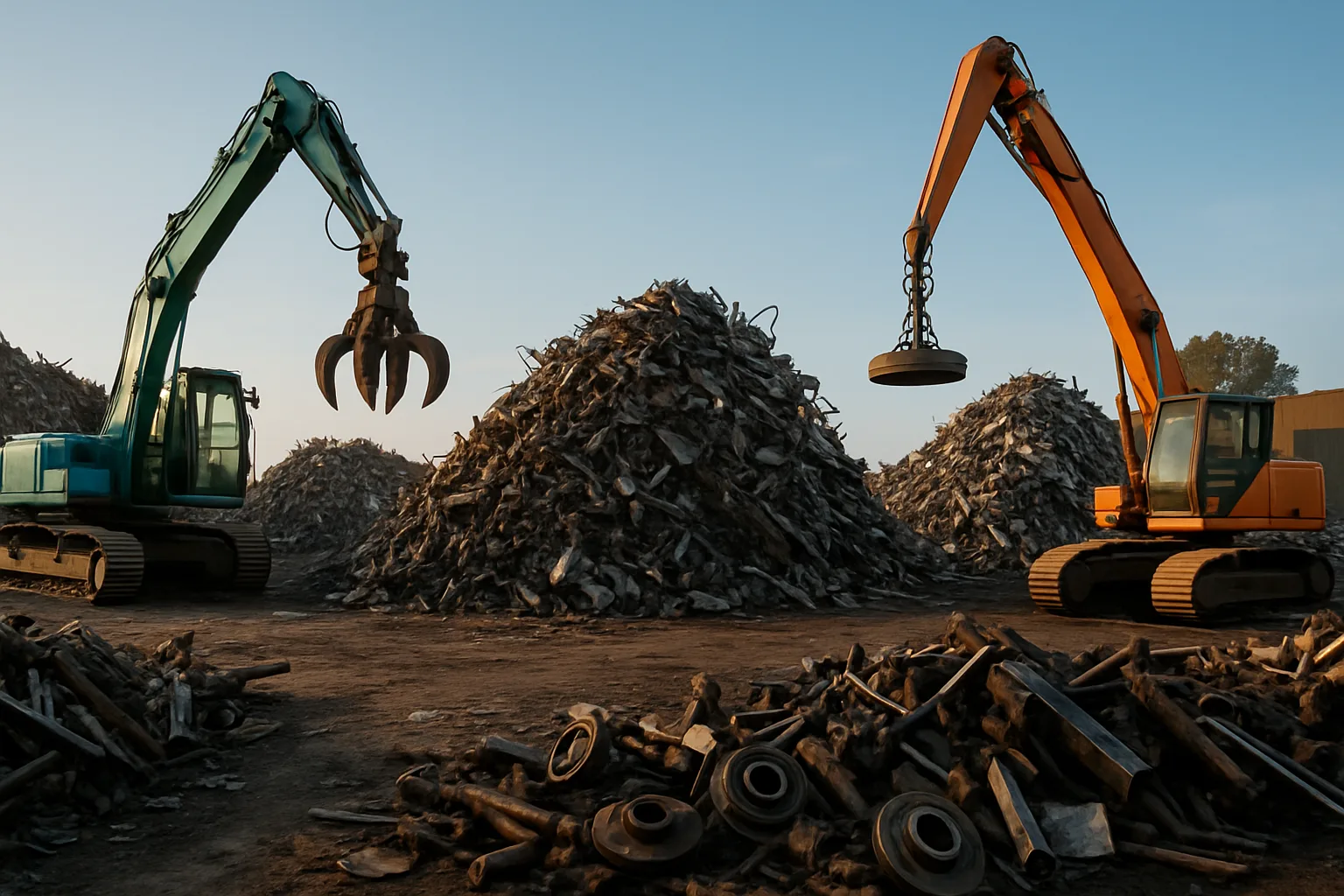
Most people don't think twice about a dead alternator or a leaking radiator — they just want it gone. But those greasy auto parts sitting in your yard, garage, or shop? They're carrying real metal value, and most of it never gets recovered properly. In Canada's auto recycling sector, millions of kilograms of aluminum, copper, and steel move through the scrap stream every year — and a lot of it still changes hands through the same one-call, one-buyer system that leaves money on the table. Understanding how that metal actually gets recovered — and where a B2B scrap metal marketplace fits into the picture — makes a real difference for yards and shops that handle volume.
What's Actually Inside a Radiator or Alternator
Before you can talk about recycling, you need to know what you're working with. Auto parts aren't single-metal units. They're composites — and that's exactly what makes them interesting from a scrap standpoint.
A standard automotive radiator is mostly aluminum, with copper and brass showing up in older OEM units. The core — those thin fins and tubes — is often a copper-brass blend in vehicles built before the mid-1990s. Newer radiators tend to run aluminum cores with plastic tanks. The difference matters because copper-brass radiators fetch a meaningfully higher rate per pound than aluminum units when they're properly sorted and documented.
- Copper-brass radiators: Higher non-ferrous value, often sought by smelters and refiners specifically
- Aluminum radiators: Lower per-pound value but much higher volume in the modern fleet
- Steel end tanks and brackets: Typically shredded as ferrous — lower value, but part of the weight
- Rubber hoses and plastic components: Stripped out before processing, often landfilled unless a facility handles mixed materials
Alternators are a different story. The housing is typically cast aluminum — good scrap aluminum value. Inside, you've got copper windings (the stator), steel laminations, and a rotor. When an alternator gets processed as a whole unit, it goes out as a "mixed" grade. When it's dismantled first, those copper windings recover as a significantly higher-value material. Many yards in Alberta run a quick teardown line specifically to pull copper cores before sending housings to the baler.
The Recycling Process: From Part to Metal
Here's how the actual recovery process works — and where value gets created or destroyed depending on how a yard handles it.
When auto parts arrive at a scrap yard or recycling facility, they're typically sorted into ferrous (iron and steel) and non-ferrous (aluminum, copper, brass) streams. Radiators, alternators, starters, and copper-bearing components are pulled from the ferrous pile early. That sorting step matters more than most sellers realize. A radiator thrown into a general steel bin recovers at steel prices. The same radiator sorted correctly and documented by grade recovers at aluminum or copper-brass prices — a meaningful difference per pound.
- Incoming sort: Parts are visually graded and separated by metal type
- Draining and depollution: Fluids are removed (coolant, oil) before processing — required under Canadian environmental regulations
- Dismantling (where applicable): Copper windings pulled from alternators, brass fittings removed from radiators
- Baling or shredding: Aluminum radiator cores get baled; mixed ferrous goes to the shredder
- Documentation and sale: Sorted loads go out with packing lists and BOLs to smelters or processors
The documentation step is increasingly where deals get made or lost. Buyers in a scrap metal auction platform environment want to know exactly what they're bidding on. Photo documentation, weight records, and accurate grade descriptions aren't just paperwork — they're the difference between a buyer bidding confidently and a buyer lowballing to cover unknown risk.
Why Auto Parts Scrap Is a Volume Game — And Why Transparency Changes the Math
One salvage yard pulling 40 or 50 vehicles a week generates serious volume in radiators, alternators, starters, and other non-ferrous auto parts. The problem most of these yards face isn't supply — it's price discovery. If you've been selling your radiator loads to the same buyer for years, you probably don't actually know what the market will pay right now. That buyer knows. You're guessing.
This is the core problem that a B2B scrap metal marketplace solves. When you put a documented load of copper-brass radiators or a sorted lot of aluminum alternator housings in front of multiple vetted buyers simultaneously, the price gets set by competition — not by a single buyer's margin target. More buyers means better price discovery. That's not a promise of higher prices on every load; it's a structural advantage that shows up over time across volume.
For yards operating in markets like Red Deer, where buyer options can feel limited compared to major metro areas, access to a broader buyer network matters more than it might in Toronto or Calgary. Red Deer scrap metal services through a platform like SMASH connect local yards to a competitive buyer pool that doesn't stop at city limits. That geographic reach changes the conversation.
Sell Scrap Metal Red Deer: What Local Auto Recyclers Need to Know
Red Deer sits in a strong position geographically — central Alberta, heavy with agriculture, oilfield, and transportation industries that generate steady auto parts scrap. Salvage yards, fleet maintenance shops, and auto recyclers in the area are handling consistent volumes of radiators, alternators, catalytic converters, and non-ferrous auto components week over week.
The challenge is that sell scrap metal Red Deer searches often return a short list of local buyers — and local buyers know they're competing with each other, not with the broader North American market. When you list on a platform that reaches vetted buyers across Canada, you're no longer limited to whoever picks up the phone locally.
SMASH supports this directly. The platform's inventory tool lets you document loads with photos and weights before they go to auction. Serial tracking and VIN lookup features matter for catalytic converter lots and whole-car de-pollution inventories — both common outputs from Alberta auto recyclers. Auto-invoicing handles the paperwork after a deal closes. You move the metal; the platform handles the administrative back end. That's how you scale without adding headcount.
If you're a smaller operation or an individual with a single truck's worth of auto parts scrap, sell your scrap metal in Canada on GetMyScrap — the platform connects you to the right buyers without requiring you to navigate the B2B system yourself.
Scrap Metal Recycling Alberta: What the Market Looks Like in 2026
Alberta's scrap market in 2026 reflects a few converging pressures. Global aluminum demand remains strong as EV and automotive manufacturers compete for lightweight materials. Copper pricing continues to be driven by infrastructure buildout — grid upgrades, charging networks, industrial expansion — which keeps copper-bearing auto parts like radiators and wiring harnesses firmly in demand.
On the ferrous side, steel pricing has been more volatile. That volatility makes non-ferrous auto parts — the radiators, alternators, and copper-bearing components — more valuable as a percentage of a yard's total revenue. Yards that sort aggressively and document carefully are positioned to capture that upside. Yards that dump everything into the shredder and take a blended rate are leaving grade-specific value behind.
Scrap metal recycling Alberta operations also face specific regulatory context around depollution — coolant, oil, and refrigerant handling requirements apply before parts can be processed. Compliance adds a step, but it also adds documentation that supports better buyer confidence when you list on a marketplace. A buyer bidding on a load of properly depolluted radiators has less risk to price in than one buying an unknown lot.
Platforms like SMASH are built around this principle. Canada's B2B scrap recycling marketplace gives sellers the tools to present their inventory properly — and gives buyers the confidence to bid competitively on it. No subscription fees. The model only works when the seller wins.
How to Get More Value from Auto Parts Scrap Before It Leaves Your Yard
Sorting and documentation are the two levers you control before a load ships. Here's a practical checklist for auto parts like radiators and alternators:
- Sort copper-brass radiators separately from aluminum units — the grade difference is significant enough to warrant the time
- Pull copper windings from alternators and starters before baling housings — even a partial teardown recovers higher-value material
- Photograph loads before they ship — buyers bidding remotely need visual confirmation of grade and condition
- Record weights at your scale — accurate weights reduce buyer uncertainty and support confident bidding
- Document depollution — note that fluids have been removed; this matters for compliance and buyer confidence
- Separate catalytic converters early and track them by serial number — cats have their own pricing logic entirely separate from base metal grades
The yards that do this consistently aren't doing more work — they're doing smarter work. The extra 20 minutes sorting a radiator load can recover more per pound than an hour of price negotiation with a single buyer. And when that sorted, documented load goes onto a scrap metal auction platform, you're not negotiating at all — you're letting competition do it for you.
If you want to explore Canadian scrap metal guides covering everything from copper pricing to catalytic converter documentation, there's a deep resource available for yards and individual sellers alike.
At the end of the day, your radiators and alternators are worth more than a single buyer's phone quote. Competition can help reveal the market. That's the whole point. If you're ready to get a fair price for your scrap today — whether you're a yard in Red Deer moving loads every week or a shop clearing out a parts inventory — the tools exist to do it properly.
Frequently Asked Questions
Q: What metal is in a car radiator, and how much is it worth as scrap?
Most modern radiators are aluminum with plastic tanks, while older units use copper-brass cores. Aluminum radiators recover as scrap aluminum, while copper-brass units fetch a higher rate due to the copper content. Prices fluctuate with the commodity market — check current rates before selling, as the spread between grades can be significant on a full load.
Q: Can I sell auto parts scrap through a B2B scrap metal marketplace in Red Deer?
Yes. A B2B scrap metal marketplace like SMASH connects yards and sellers in Red Deer to vetted buyers across Canada, not just local options. You document your load, list it, and buyers compete — which supports better price discovery than a single-buyer phone quote. No subscription fees are required to get started.
Q: Is it worth dismantling alternators before scrapping them?
For volume operations, yes. Copper windings inside an alternator recover at a higher per-pound rate than mixed auto parts. The aluminum housing also recovers better as a sorted grade than as part of a mixed load. Whether the labour cost is worth it depends on your volume and your current buyer's pricing — but sorted and documented loads consistently support better auction outcomes.
Q: What should I do with catalytic converters from scrapped vehicles in Alberta?
Catalytic converters should be pulled and tracked separately from base metal auto parts. Alberta has specific documentation requirements around cat sales, and the precious metal content (platinum, palladium, rhodium) is priced entirely differently from aluminum or copper scrap. Use serial tracking and photograph each unit before sale. SMASH supports serial tracking for exactly this purpose.
Q: How does a scrap metal auction platform differ from just calling a local buyer?
A single buyer quote reflects that buyer's margin target. An auction platform puts your documented load in front of multiple vetted buyers simultaneously — competition sets the price rather than one party's negotiating position. Documented inventory (photos, weights, grades) gives buyers confidence to bid aggressively. The structural difference shows up most on higher-value non-ferrous loads like copper-brass radiators or sorted aluminum.
Stay current on scrap metal market conditions and industry news by following SMASH on LinkedIn — practical updates for yards, recyclers, and buyers across North America.
```